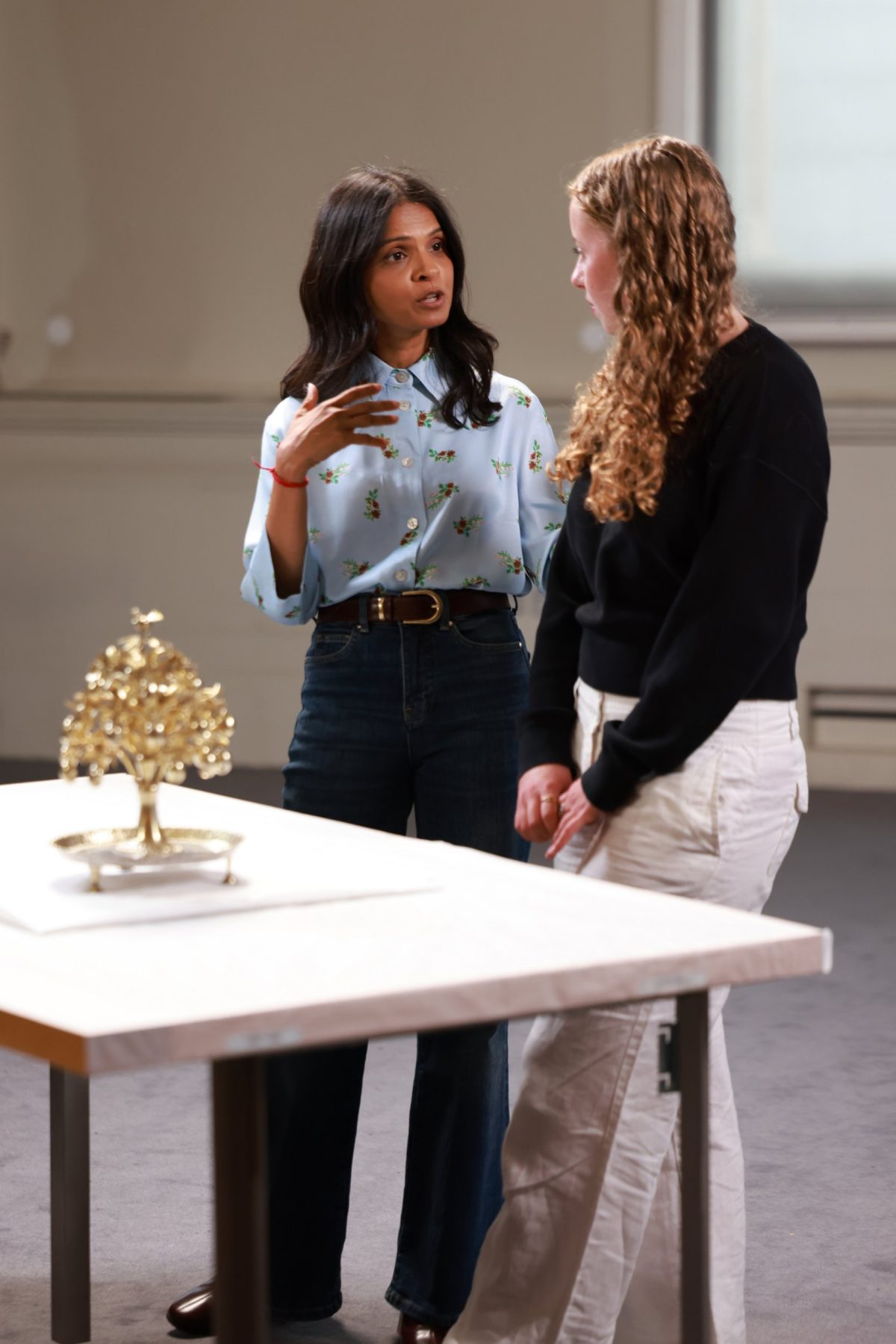
In a recent discussion, philanthropist and trustee of the V&A Museum, Akshata Murty, expressed her concerns regarding the impact of technology on human empathy. As society grapples with increasing polarization and rapid technological advancements, she emphasizes the importance of empathy as a unifying quality that enables meaningful connections among individuals.
Murty’s reflections highlight that while technology can enhance our lives, it also risks desensitizing us to fundamental human experiences. She argues that an overreliance on technology can lead to a decline in our ability to empathize with others, reducing our capacity to understand diverse perspectives. “I am no luddite, but I am constantly battling the tech tide,” she stated, expressing her worries about the dehumanizing effects of constant technological change.
To counter this trend, Murty proposes that engaging with arts and culture can help preserve and nurture empathy. She believes that museums play a crucial role in this effort. As she noted, the V&A Museum has made significant strides in showcasing how art and culture can inspire and connect people across varied backgrounds. For instance, the museum’s latest exhibition on Marie Antoinette’s influence on design and culture serves to illustrate the powerful narratives that art can convey.
Enhancing Access Through Technology
While acknowledging the challenges posed by technology, Murty sees potential in its ability to broaden access to cultural experiences. She points to advancements such as Augmented Reality (AR) and Artificial Intelligence (AI) as tools that can enhance visitor engagement with historical collections. For example, platforms like Google Arts and Culture provide virtual access to global art collections, allowing users to explore masterpieces from the comfort of their homes.
Murty highlights innovative projects like Virtual Angkor, which reconstructs the ancient city of Angkor Wat in Cambodia, allowing users to experience its historical significance through immersive 360-degree views. Similarly, a collaboration between the Vatican and Microsoft has made a 3D version of St. Peter’s Basilica accessible to a wider audience. These initiatives demonstrate how technology can facilitate a deeper understanding of different cultures and histories.
In her view, the arts and culture sector has embraced these technological advances, transforming how visitors interact with exhibitions. Museums now offer a variety of experiences that appeal to diverse audiences, including curated displays, expert talks, and interactive installations. This evolution not only enhances visitor engagement but also fosters a sense of community among attendees.
The Role of Empathy in a Changing World
Murty’s insights resonate particularly in an era marked by rapid change. She argues that fostering empathy is essential for navigating the complexities of modern society. By promoting access to cultural experiences, we can cultivate a greater understanding of one another and bridge divides. “Access to this inspirational content leads to an enhanced understanding of each other’s perspectives across time and space,” she states, underscoring the transformative power of shared experiences.
As a woman of Indian heritage, Murty shares her personal journey of discovering her cultural roots through museums. Having lived in various countries, she appreciates the representation of her traditions in cultural institutions. Yet, she acknowledges that physical access to museums remains limited for many, which poses a challenge to the mission of fostering empathy through shared cultural experiences.
In conclusion, Akshata Murty’s advocacy for empathy and cultural engagement underscores a crucial dialogue about the role of technology in our lives. As we navigate the complexities of the digital age, her call to action invites individuals and institutions to harness technology as a means of fostering connection, understanding, and ultimately, empathy. Through this approach, Murty believes we can create a virtuous cycle where technology serves to enhance, rather than diminish, our shared humanity.