The detention of businessmen Ranko Ubović and Vladan Ivanović has sparked a significant legal discussion following a ruling by the Higher Court of Podgorica. On March 15, 2024, the court ordered the release of the two individuals, stating that the previous decision to keep them in custody was illegal. This has raised questions regarding the authority of the Special State Prosecutor’s Office (SDT), which has expressed concerns about the legality of the court’s decision.
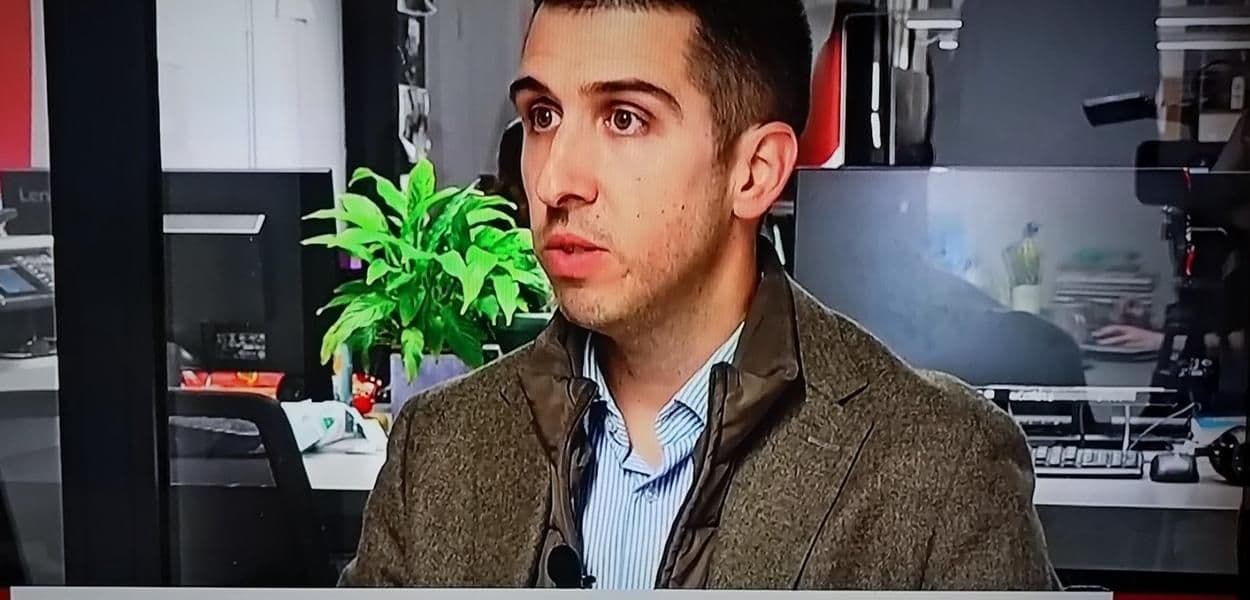
Defense attorney Nikola Ivanović commented on the ruling, asserting that the SDT’s statement reflects a misunderstanding of legal protocols. He indicated that the prosecutors had conducted witness hearings in accordance with their schedules, which allowed judges at the Higher Court to decide on the release of his clients. “This process is both legitimate and lawful,” he stated.
The court’s decision to release Ubović and Ivanović was unexpected for Ivanović, who emphasized that there was no substantial reason to justify their detention. He argued that there is insufficient evidence to support any allegations of criminal activity against his clients. “I believe there is no founded suspicion that they committed a crime, particularly not this one. There will be an opportunity to discuss this in court at the appropriate time,” he noted.
In response to the SDT’s announcement that the release of the businessmen was unlawful, Ivanović expressed surprise, emphasizing that the legal framework and customary practices in similar cases support the court’s ruling. He refrained from further comment on the SDT’s statement, maintaining that the decision is well-founded and lawful.
He also mentioned the potential for an appeal, stating, “It remains to be seen what opinion higher instances will have regarding this matter. The law provides for such a possibility. This announcement surprises me, but we remain open, and higher instances will provide an answer to this.”
The ongoing legal developments highlight the complexities of the judicial process in Montenegro, particularly in cases involving high-profile business figures. The implications of the Higher Court’s ruling could set significant precedents in how similar cases are handled in the future. As both sides await the next steps, the attention remains on the legal interpretations that will emerge from this controversial case.