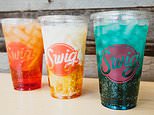
The beverage known as ‘dirty soda’ has rapidly gained popularity, particularly among influencers in the Mormon community. This week, I opted to replace my usual coffee with these sugar-laden drinks to delve deeper into the phenomenon that has captured the attention of many.
Originating primarily in Utah, ‘dirty sodas’ combine soda with flavored syrups and cream, resulting in sweet, indulgent beverages. This trend has been propelled by various social media platforms, where influencers showcase their unique creations. The drinks are often customized with a range of flavors, making them appealing to a younger audience.
Unpacking the Ingredients
Typically, a ‘dirty soda’ features a base of popular soft drinks like cola or root beer. These sodas are then enhanced with flavored syrups, which can include anything from coconut to raspberry. A common addition is cream, which adds a rich texture. Some variations even incorporate whipped cream on top, further elevating the indulgence.
During my week-long experiment, I discovered that the sugar content in these beverages is significantly high. A single drink can contain over 70 grams of sugar, which is more than double the recommended daily intake for adults. This aspect raises important questions about the long-term health implications of regularly consuming such sugary drinks.
Despite the potential health concerns, the appeal of ‘dirty sodas’ lies in their ability to provide a quick sugar boost and a satisfying taste. Influencers often share their experiences on platforms like Instagram and TikTok, showcasing vibrant images and creative combinations that entice their followers.
The Beverage Trend’s Cultural Impact
The rise of ‘dirty sodas’ is not just a dietary choice; it reflects a broader cultural trend. For many, these drinks represent a playful indulgence and a way to connect with others through social media. The phenomenon has sparked interest beyond the Mormon community, attracting consumers from various backgrounds eager to try this trendy beverage.
In addition to their popularity, ‘dirty sodas’ have spurred a wave of new businesses dedicated to crafting and selling these drinks. Specialty shops have emerged across the United States, particularly in areas with large Mormon populations. Some establishments offer a customizable menu, allowing customers to create their unique concoctions.
As this trend continues to grow, the beverage industry may need to consider the implications of such high sugar consumption among young consumers. Health experts often warn against excessive sugar intake, linking it to various health issues, including obesity and diabetes.
While my week of drinking ‘dirty sodas’ was an enjoyable exploration, it also highlighted the importance of moderation. The allure of these sweet beverages is undeniable, but it is crucial for consumers to be aware of what they are consuming.
In summary, the ‘dirty soda’ trend is a vibrant example of how social media can shape consumer behavior and preferences. As this cultural phenomenon continues to evolve, it will be interesting to see how it impacts both the beverage industry and public health discussions in the future.