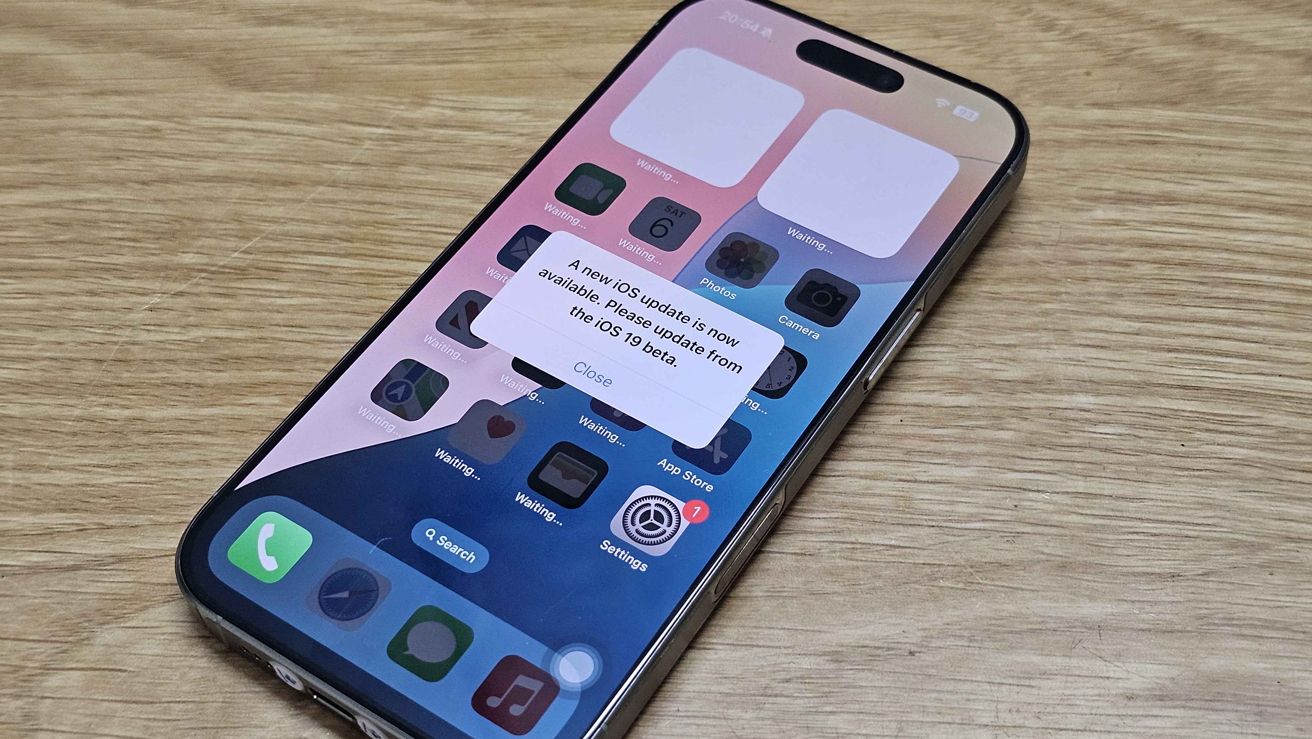
A newly uncovered prototype of an iPhone provides an intriguing look at the unreleased iOS 19, which served as a precursor to iOS 26 but lacked the innovative Liquid Glass features introduced later. This discovery, shared by collector Kyolet and reported by AppleInsider, suggests potential developments for the upcoming iOS 27.
At the Worldwide Developers Conference (WWDC) 2025, Apple debuted its controversial Liquid Glass design language. The transition from iOS 18 to iOS 26 was marked by significant visual changes, yet iOS 19 was notably absent from public release. The recently revealed EVT-stage prototype runs an early build of iOS 19.0 and lacks a functional Liquid Glass implementation, even when the “Sensitive UI” setting is activated.
While the prototype mirrors the user interface of iOS 18, it offers insights into Apple’s future plans. Of particular note, the Livability app within the prototype shows feature flags associated with updates expected for WWDC 2026 and even 2027. This aligns with Apple’s typical development timeline, where software features undergo extensive testing over several years.
Insights into Future Updates
The early build of iOS 19 may not reach consumers, but it hints at enhancements likely to appear in iOS 27. Anticipated improvements may include new functionalities in Accessibility, Messages, Photos, and the Wallet app. Additionally, updates to CoreMedia and modifications to the Workout Buddy feature for the Apple Watch are likely in the pipeline.
In terms of internal tools, the prototype also reveals an undocumented mobile version of PurpleRestore 4. This application is designed to restore both production and development-fused Apple devices, marking its first appearance on mobile platforms. Previously, this utility was only available on Mac systems.
Apple’s approach to restoring devices aligns with consumer-oriented features introduced with iOS 18, such as using nearby devices to facilitate the restoration process. The early build also includes test applications related to Apple Intelligence, Private Cloud Compute, and Siri, similar to those documented in October 2024.
Revealing Apple’s Development Practices
The iPhone 16 Pro prototype offers further evidence of Apple’s use of placeholder names during the development of its software and hardware projects. Internal references for the iPhone 16 Pro included the codename “Diablo,” with its device identifier being D93. Such placeholder identifiers are common in Apple’s early development stages, as seen in previous prototypes.
The discovery of this prototype has been substantiated by extensive evidence, including detailed videos and photos provided to AppleInsider. The prototype features a unique model number starting with “994,” confirming its authenticity. Prototypes often include features that may not be released for years, as evidenced by previous innovations like on-device email categorization.
As Apple continues to evolve its operating systems, this rare glimpse into an early version of iOS 19 not only enriches our understanding of past developments but also fuels speculation about exciting features coming in iOS 27 and future updates.