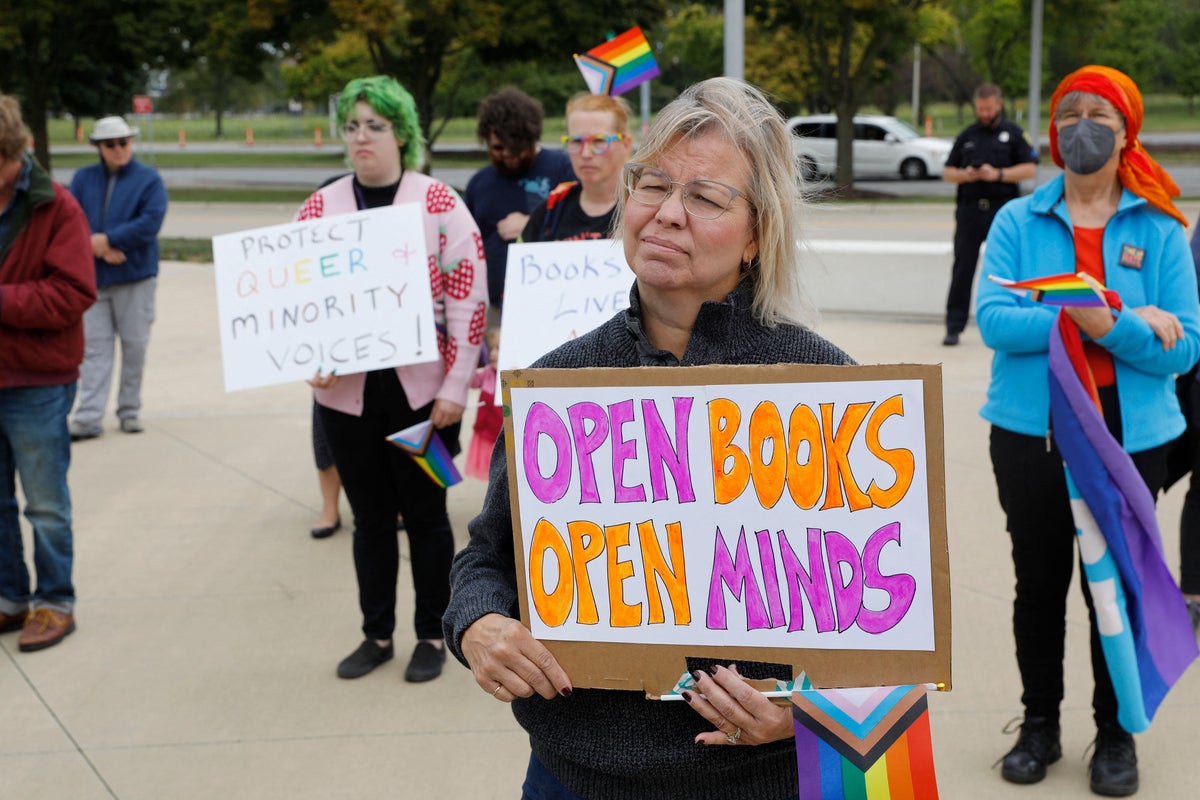
The U.S. Supreme Court has chosen not to hear an appeal regarding the removal of 17 books from public libraries in Llano County, Texas. This decision upholds a ruling by the 5th U.S. Circuit Court of Appeals, which had determined that the removal of these titles, some of which explore themes of race and LGBT identity, was permissible under the law.
In its ruling, the 5th Circuit dismissed arguments from residents who contended that the book removals violated the First Amendment protections against governmental restrictions on free speech. The appellate court’s decision is applicable in the states of Texas, Louisiana, and Mississippi, but it does not establish a nationwide legal precedent.
Background of the Dispute
The controversy began in 2021 when a segment of the Llano County community petitioned the library commissioner to eliminate certain books from library collections. These titles included subjects such as transgender issues, race, and even topics like puberty and bodily functions. Among the 17 works removed was the acclaimed 1970 children’s book, “In the Night Kitchen” by Maurice Sendak, which features illustrations of its young protagonist, Mickey, depicted as nude in dreamlike scenarios.
Following demands for the removals, the library commission instructed librarians to comply. Notably, individuals advocating for the book bans were later appointed to a local county board, which further complicated the situation. In response, a different faction of residents filed a lawsuit challenging the legality of the removals, asserting that their rights under the First Amendment had been infringed.
Legal Implications and Court Decisions
Central to this case is the First Amendment principle known as the right to receive information, which the Supreme Court has historically recognized as vital for exercising other First Amendment rights, including freedom of religion and speech. In a notable 2023 ruling, a federal judge ordered the restoration of the contested books to the library system. However, the 5th Circuit overturned this decision in a narrow 10-7 vote, siding with the county.
Judge Stuart Kyle Duncan, writing for the 5th Circuit, argued that the removal of books does not constitute a ban. He stated, “If a disappointed patron can’t find a book in the library, he can order it online, buy it from a bookstore or borrow it from a friend.” This perspective reflects a broader legal interpretation that public library patrons do not possess a constitutional right to access all information available in libraries.
The Supreme Court’s previous rulings on similar matters have shown a complex and fragmented understanding of these rights. In a significant 1982 case, the Court ruled that school boards cannot remove books solely based on disagreement with their content. Yet the current legal landscape remains uncertain, especially following a June ruling by the Supreme Court favoring parents in Maryland who sought to keep their children out of classes where storybooks featuring LGBT characters were read.
The decision by the Supreme Court to abstain from this case underscores the ongoing national conversation surrounding book access and censorship, reflecting broader societal debates influenced by political and cultural divisions. As book bans become increasingly prevalent in various regions, the implications of this legal context will likely continue to resonate within communities across the United States.