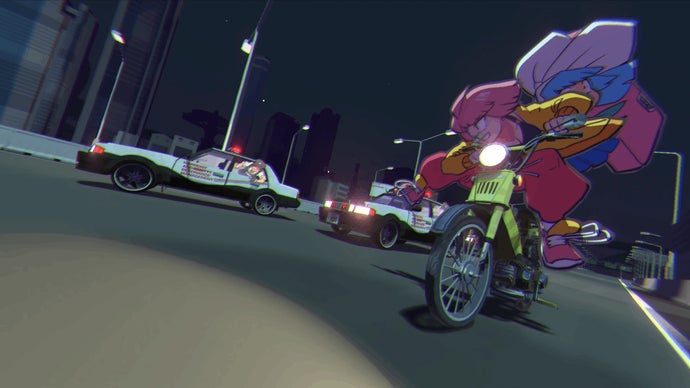
Unbeatable, a rhythm game developed by D-Cell Games and published by Playstack, is set to launch on December 9, 2025, on Windows. The game combines high-energy gameplay with a narrative that explores themes of rebellion and creativity in a world where music is outlawed. Players assume the role of Beat, a slacker entangled in a resistance against the oppressive organization H.A.R.M., alongside a diverse cast of characters, including a twelve-year-old girl named Quaver.
The Concept and Gameplay Mechanics
The premise of Unbeatable is both engaging and humorous: music is illegal, and players must engage in various “crimes” through rhythm-based challenges. The game consists of two primary modes: the story-driven A-side and the skill-focused Arcade mode. In the A-side, players experience a visual novel style narrative as Beat and her companions form a band to challenge the anti-music authorities.
Arcade mode shifts the focus to improving rhythm skills through a collection of original songs. The gameplay mechanics rely on a straightforward rhythm system, where players strike notes that flow in from two tracks. Variations such as dodging, holding, or rapidly tapping notes add layers of complexity as players progress to more challenging songs. This simplicity makes the game accessible, yet the increasing difficulty can lead to chaotic moments.
Players can customize button controls, which is particularly beneficial for those using a controller. The default layout may confuse some, but adjustments can enhance the overall experience.
Narrative Depth and Artistic Style
The heart of Unbeatable lies within its narrative. The storyline follows Beat as she aligns with Quaver to uncover the fate of the latter’s musician mother. Their journey leads them to confront H.A.R.M., an organization aiming to suppress musical expression. The game’s narrative structure is reminiscent of popular media like Scott Pilgrim, blending humor with moments of action and reflection.
While the story begins with a somewhat slow introduction involving repetitive tasks, it quickly picks up during a dramatic prison break, showcasing the influence of games like Jet Set Radio. The aesthetic of Unbeatable reflects a DIY spirit, drawing from anime and zine culture, with 3D backdrops featuring flat sprites that evoke a nostalgic feel.
Despite its charm, the narrative does face challenges. Elements of dreamlike surrealism and mysterious backstory are introduced but not fully explored, leaving some players wanting more clarity. However, the character dynamics, particularly the humorous interactions among the band members, shine throughout the game. Beat’s journey is one of personal growth and self-acceptance, making for a deeply resonant experience.
The climactic moments deliver emotional weight as players confront the game’s core themes: the power of creativity and the importance of relationships. The final song encapsulates these sentiments, providing a satisfying conclusion that resonates with the audience.
Arcade Mode and Replayability
With approximately ten hours dedicated to the story mode, the real substance of Unbeatable can be found in Arcade mode. This mode features a broad selection of songs categorized into four groups: original tracks by the band, additional music from the story, remixes, and a secret category that players can discover. Similar to popular rhythm games like Guitar Hero, players select songs and difficulties, aiming to achieve high scores.
The Challenge Board adds an intriguing layer to Arcade mode, offering cryptic achievements that unlock new characters and songs. This aspect encourages players to experiment and engage with the game beyond the initial playthrough. The diversity of the soundtrack is impressive, incorporating various genres, from grungy garage rock to ambient electronica, ensuring that there is something for everyone.
Despite its strengths, some players may find the lack of varied backdrops in Arcade mode disappointing, especially given the vibrant settings featured in the story mode. The repetition of the same rural Japanese train station as a backdrop for multiple songs feels like a missed opportunity for greater visual diversity.
Ultimately, Unbeatable stands out as a heartfelt celebration of creativity, blending engaging gameplay with a relatable narrative. Its imperfections only add to its charm, making it a memorable experience that resonates with players. This is a game that encourages players to embrace their individuality and express themselves through music, a message that is likely to linger long after the game is over.