UPDATE: The US House of Representatives has just passed a monumental military spending bill, the National Defence Authorisation Act (NDAA), worth a staggering $901 billion. This significant legislation, crucial for the Pentagon’s operations, cleared the chamber with a decisive vote of 312 to 112 despite intense last-minute opposition from hardline conservatives.
The vote, which took place earlier today, was nearly derailed by internal Republican dissent. Just hours before the final tally, a procedural vote barely passed 215 to 211, leaving the fate of the NDAA hanging in the balance. High-profile Republicans, including Anna Paulina Luna, Marjorie Taylor Greene, and Lauren Boebert, shifted their votes from ‘no’ to ‘yes’ at the last moment, allowing the bill to progress.
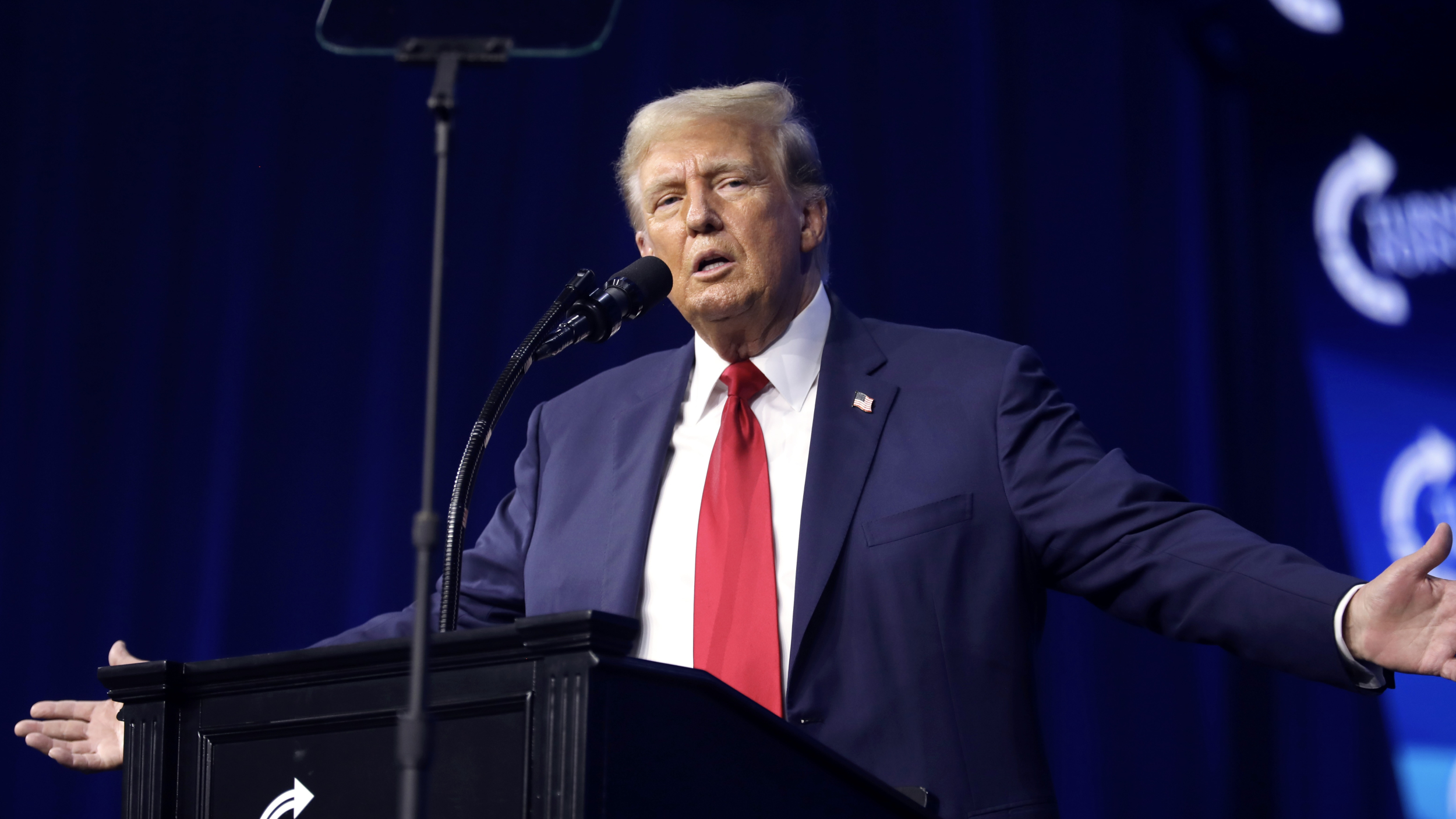
Now, the NDAA heads to the Senate, where it is anticipated to face less turbulence before reaching President Donald Trump‘s desk. The legislation includes $400 million in funding for Ukraine, a point of contention that fueled the conservative revolt. Hardliners within the GOP have voiced strong opposition to continued financial support for Kyiv, countering the bipartisan consensus that emerged in the House.
The bill also introduces restrictions on executive power, notably limiting Trump’s ability to alter troop deployments in Europe and South Korea. Crucially, it prevents the White House from halting arms shipments to Ukraine, a move that has drawn ire from some conservative factions.
In addition to foreign aid issues, the NDAA contains provisions addressing domestic concerns, including a 4% pay raise for enlisted troops and the elimination of diversity, equity, and inclusion initiatives. However, it does not include a ban on the Federal Reserve’s potential creation of a central bank digital currency, a significant point of frustration for conservatives who fear government overreach into personal finances.
Amidst the controversy, House Speaker Mike Johnson is highlighting the bill’s positive domestic impacts to rally support within his party. He emphasizes the importance of addressing issues such as antisemitism and cutting $20 billion in spending on outdated Pentagon programs.
On the geopolitical front, the NDAA takes a hard stance on economic security concerning China. It mandates that US companies alert the Treasury Department before investing in high-risk technologies associated with Beijing. The bill also prohibits the Pentagon from engaging with Chinese genetic sequencing firms and bans the purchase of critical materials from foreign adversaries.
While the NDAA repeals two outdated war authorizations tied to earlier military conflicts in Iraq, it retains the crucial post-9/11 Authorisation for Use of Military Force (AUMF), allowing the Pentagon to maintain its broad operational powers globally.
As this developing story unfolds, all eyes are on the Senate, where the NDAA’s next steps will be closely monitored. With the stakes higher than ever, the passage of this bill signifies a pivotal moment in US military funding and foreign policy. Stay tuned for updates as this situation continues to evolve.