Families of victims and the public are calling for comprehensive and reliable information regarding the crimes committed on January 1, 2025, in Cetinje and in August 2022 in Medovina. They seek clarity on the nature of the crimes and the underlying motives. The Council for Civil Oversight of Police Operations emphasized the need for transparency in reporting all available data, stating that without this information, addressing and preventing similar incidents becomes challenging.
At a recent meeting, the Council reviewed the police response to the mass shooting in Cetinje, which resulted in the deaths of 13 individuals. They noted that many aspects of this tragic event remain unclear. The Council acknowledged the social significance of the proposed “Markov and Mašanov laws,” which are initiatives from the victims themselves and warrant serious consideration. They recommended that officials from the Ministry of Internal Affairs establish direct communication with representatives of the victims to discuss potential integration of these laws into existing firearms legislation.
The Council argues that both mass shootings in Cetinje, occurring in 2022 and 2025, require a thorough and systematic analysis. This should include an objective assessment of not only police actions but also the roles of other public services, including healthcare, prosecution, and judiciary. As the community approaches the first anniversary of the January 2025 massacre, the Council urges the government of Montenegro and President Milojko Spajić to form a professional body tasked with preparing this analysis. They are willing to assist and participate directly in this process. The findings should be made public to enhance transparency and foster a stronger security culture in Montenegro while ensuring institutional accountability.
The Council also supports the families’ request for the establishment of an expert team of internationally recognized specialists to conduct an impartial and thorough investigation into both mass murders in coordination with state institutions. This call for an independent inquiry reflects the urgency felt by the community.
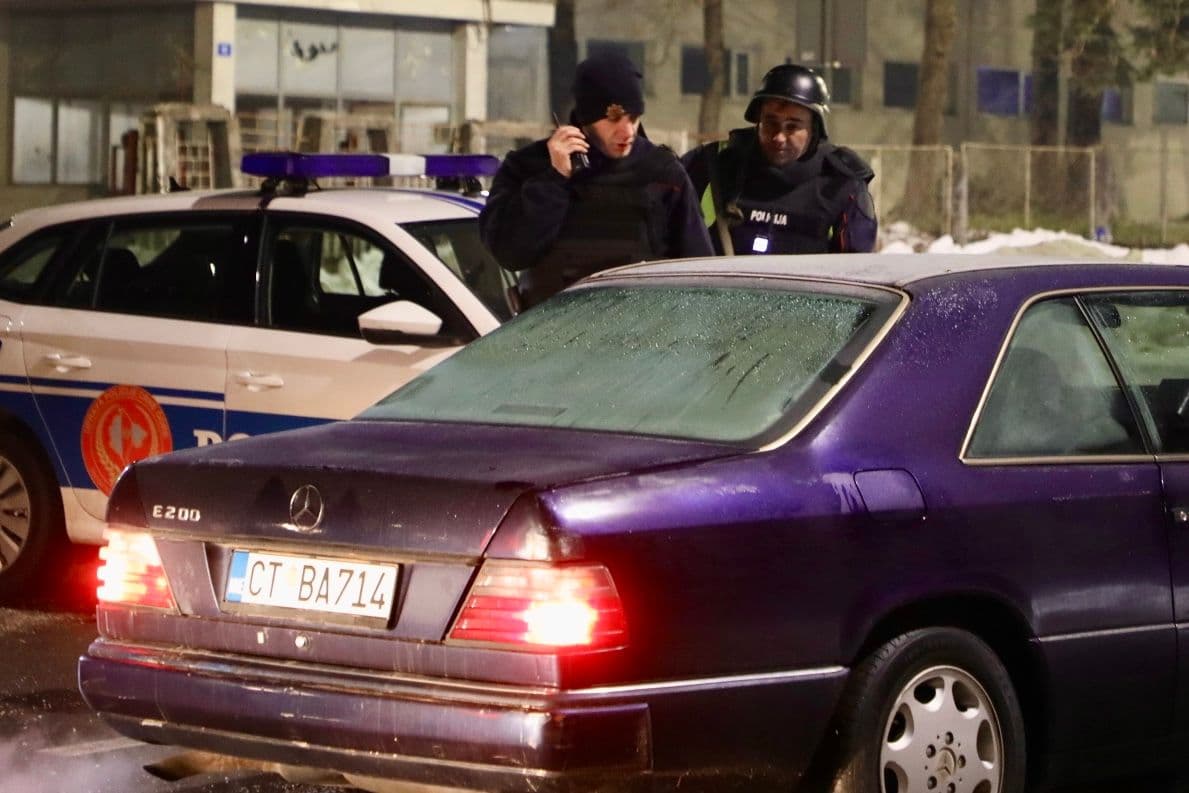
A significant concern raised in the Council’s conclusions relates to the police response during the incidents in Cetinje. They criticized the initial setup and resource allocation for controlling individuals and vehicles during the city blockade. It was noted that despite knowing the suspect’s identity and vehicle, the blockade lacked sufficient resources, impacting public safety and trust.
There were only 11 police officers present during the January 2025 incident, a situation deemed unacceptable given past violence in the area, including three murders linked to organized crime. Prime Minister Spajić had previously acknowledged the presence of 120 members of rival criminal organizations in Cetinje, which further underscores the need for a robust police presence.
The Council concurs that there was an inadequate number of police officers available to respond effectively as the mass shooting unfolded. While improvements in police organization were noted since the first mass shooting in 2022, a gap in coverage persisted between shifts, particularly between 17:00 and 18:00, which compromised their preparedness.
The Council highlighted the critical importance of responses to inquiries made by non-governmental organizations (NGOs) regarding police conduct. They believe that addressing these inquiries is essential for understanding the application of police authority and maintaining public trust.
Among the questions raised by the NGOs were who informed the police about the January 1 shootings, the total number of officers present at the time, and what measures had been taken to improve security following the previous mass shooting in 2022.
The police provided the Council with information stating that the first emergency call reporting the shooting was made at 17:26 by a citizen who identified themselves, followed by another call at 17:27 describing a “massacre” with multiple casualties. Miscommunication regarding the exact location of the incident led officers to respond to a different venue, delaying their arrival at the actual crime scene.
The police further indicated that by analyzing emergency calls, they found that the suspect had already moved to another location by the time the first report came in. Their investigation revealed that the shooting spanned a period of 37 minutes, with the first report lagging by six minutes.
The Council asserts that it is crucial to ascertain the number and content of calls made to the police, review recordings, analyze the officers’ actions during these calls, and assess the reasons for responding to an incorrect location. They also stress the need to evaluate all subsequent reports related to the murders and the police response to them.
The Council for Civil Oversight of Police Operations is composed of notable figures, including Zoran Čelebić (President), Prof. Dr. Dražen Cerović, Prof. Dr. Branislav Radulović, Aida Petrović, and Dr. Igor Ljuica. Their work aims to ensure accountability and transparency in police operations while advocating for the victims’ families and the broader community.