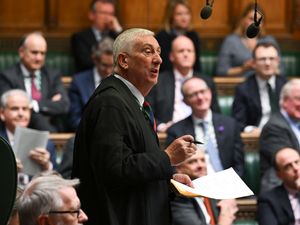
Sir Lindsay Hoyle, the Speaker of the House of Commons, has issued a warning to Members of Parliament regarding a surge in phishing attacks linked to Russian actors. In a letter obtained by the Press Association, Hoyle detailed the increasing number of attempts to compromise MPs’ accounts through messaging applications such as WhatsApp and Signal.
The correspondence highlights the growing threat posed by hostile entities attempting to extract sensitive information from parliamentarians. This trend has been documented as a significant concern, particularly as MPs and UK officials frequently rely on these platforms for communication.
The National Cyber Security Centre (NCSC) has responded by urging MPs to enhance their security protocols. The NCSC advises against using informal messaging apps for official parliamentary communications, emphasizing the risks associated with these platforms.
In a statement, a Government spokesperson noted, “Spear-phishing is a common but all-too-effective tactic used by threat actors attempting to gain access to information, online accounts, and devices.” The NCSC is collaborating with various government partners to address the recent targeting of commercial messaging applications, including WhatsApp and Signal.
The spokesperson further encouraged individuals at heightened risk to adhere to NCSC guidelines and consider enrolling in cybersecurity defense services to improve their protection.
Context of the Warning
This advisory comes shortly after MPs were alerted to recruitment attempts by the Chinese intelligence service aimed at accessing sensitive government information. Security Minister Dan Jarvis informed the House of Commons that there had been efforts to “recruit and cultivate” individuals with access to essential information regarding Parliament and the UK Government. These recruitment strategies are often disguised through the use of cover companies and head-hunting tactics.
The letter from Sir Lindsay Hoyle serves not only as a warning but also as a reminder of the vulnerabilities inherent in digital communications. As various global actors continue to employ sophisticated methods to breach security, the responsibility lies with parliamentarians to remain vigilant and proactive in safeguarding their information.
Given the critical nature of their roles, MPs must implement robust security measures. The NCSC’s guidance reflects an urgent need for increased awareness and caution regarding digital interactions, particularly in light of the evolving landscape of cybersecurity threats.
As the situation develops, it is imperative for all MPs and officials to prioritize their digital safety, ensuring that they are equipped to handle these persistent threats effectively.