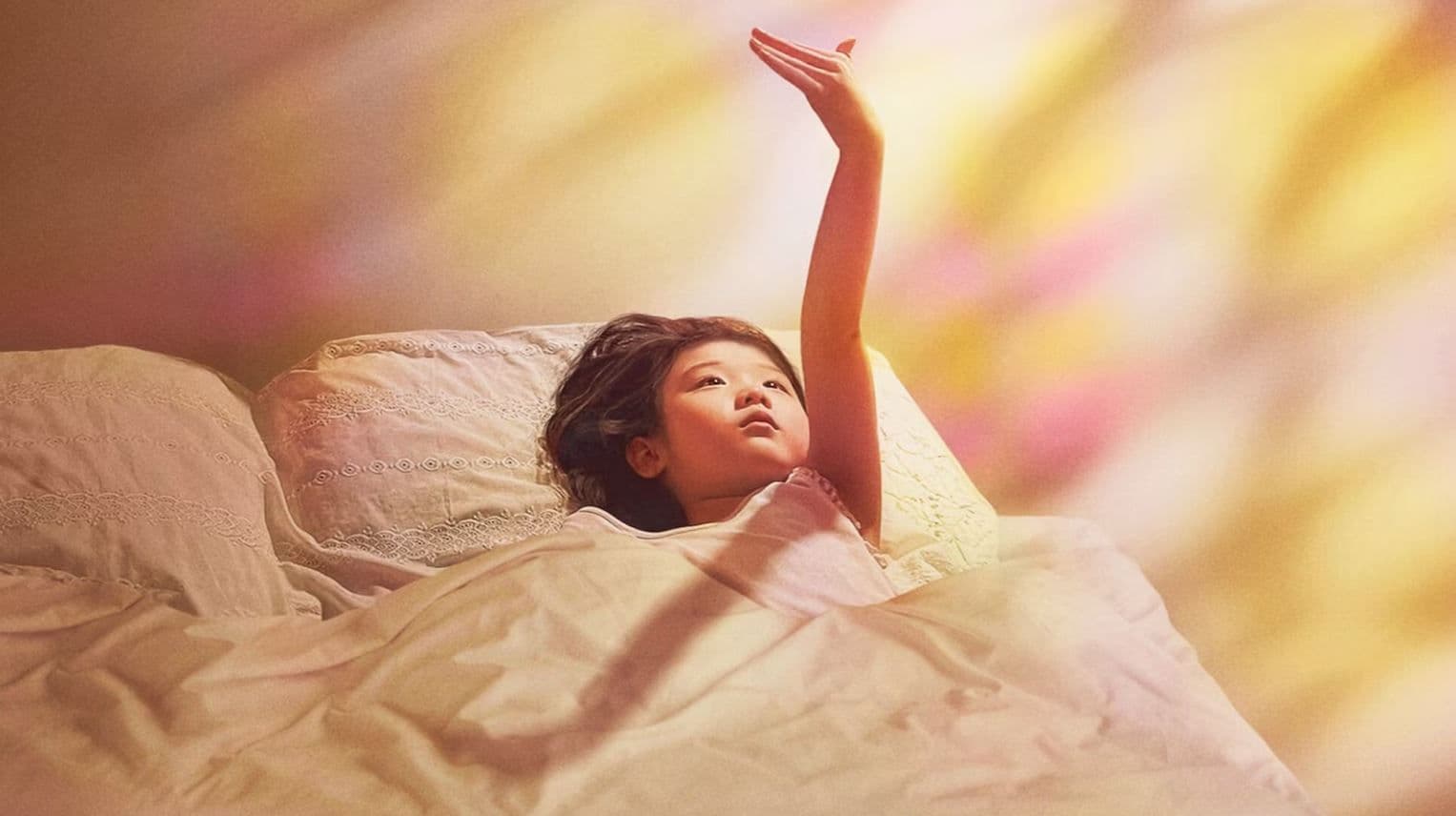
The film ‘Left-Handed Girl’ has emerged as a poignant exploration of the societal biases faced by left-handed individuals. Directed by Shih-Ching Tsou, this Taiwanese entry for the Oscar for Best International Feature highlights the struggles and triumphs of a young girl growing up in a world that often stigmatizes her left-handedness. The film premiered at the Cannes Film Festival as part of the ‘Critic’s Week’ program, garnering significant attention for its heartfelt narrative.
Unpacking Left-Handedness in Society
From an early age, children are taught the cultural significance of being right-handed. This bias is deeply ingrained, with historical references suggesting that being left-handed has often been associated with negative connotations. In many societies, left-handedness is viewed as undesirable or even evil. For example, in ancient Rome, stepping over a threshold with the left foot was considered bad luck, a sentiment echoed in various cultures globally.
In ‘Left-Handed Girl’, we are introduced to a young girl named Ai-Jing, portrayed by Nina Ji, who struggles with her identity in a dysfunctional family. Her mother, Shu-Fen, played by Janey Sai, grapples with poverty, while her teenage sister, Ai-En, portrayed by Shin-Juan Ma, embodies rebellion against their harsh realities. The film poignantly illustrates how societal pressures lead to Ai-Jing internalizing the belief that her left-handedness is a curse.
The director, Shih-Ching Tsou, draws inspiration from her own childhood experiences. Raised by a grandfather who deemed her left-handedness as “the devil’s work,” Tsou’s narrative reflects broader cultural superstitions in Taiwan, where left-handedness is still stigmatized. The film captures the emotional turmoil faced by Ai-Jing as she navigates family dynamics and societal expectations.
The Consequences of Societal Bias
One of the central themes of the film is the impact of societal bias on personal development. The narrative shows how Ai-Jing’s perception of herself is shaped by the disapproval of those around her. She faces a traumatic event that further reinforces her belief that her left-handedness has brought misfortune, leading her to consider drastic actions to conform to societal norms.
Statistically, left-handed individuals demonstrate creativity and intelligence, often excelling in various fields, including sports and arts. Historical figures such as Leonardo da Vinci have showcased remarkable achievements, raising the question of whether genius is sometimes overshadowed by outdated stereotypes. ‘Left-Handed Girl’ seeks to challenge this narrative, advocating for acceptance and understanding of differences.
Despite advances in societal acceptance, many left-handed individuals continue to face challenges. From increased injury risks due to tools designed for right-handed users to the pressure of adapting to a right-handed world, the film highlights the ongoing struggles that many left-handed individuals endure. It poses a vital question: why not allow people to embrace their true selves?
Throughout the film, Tsou masterfully captures the emotional weight of these experiences, delivering a powerful message about the importance of acceptance. By portraying Ai-Jing’s journey, ‘Left-Handed Girl’ encourages viewers to reconsider their perceptions of left-handedness and to celebrate diversity in all its forms.
As audiences engage with this poignant narrative, the hope is that it will spark conversations about acceptance and understanding, not just for left-handed individuals, but for anyone who feels different in a society that often values conformity. The film’s heartfelt portrayal of the challenges faced by left-handed individuals serves as a reminder of the enduring impact of cultural biases and the need for a more inclusive world.
Ultimately, ‘Left-Handed Girl’ stands as both a cinematic achievement and a call to action, urging society to embrace differences rather than stigmatize them. As the film resonates with viewers, it holds the potential to change perceptions and foster a more understanding and accepting community for all.