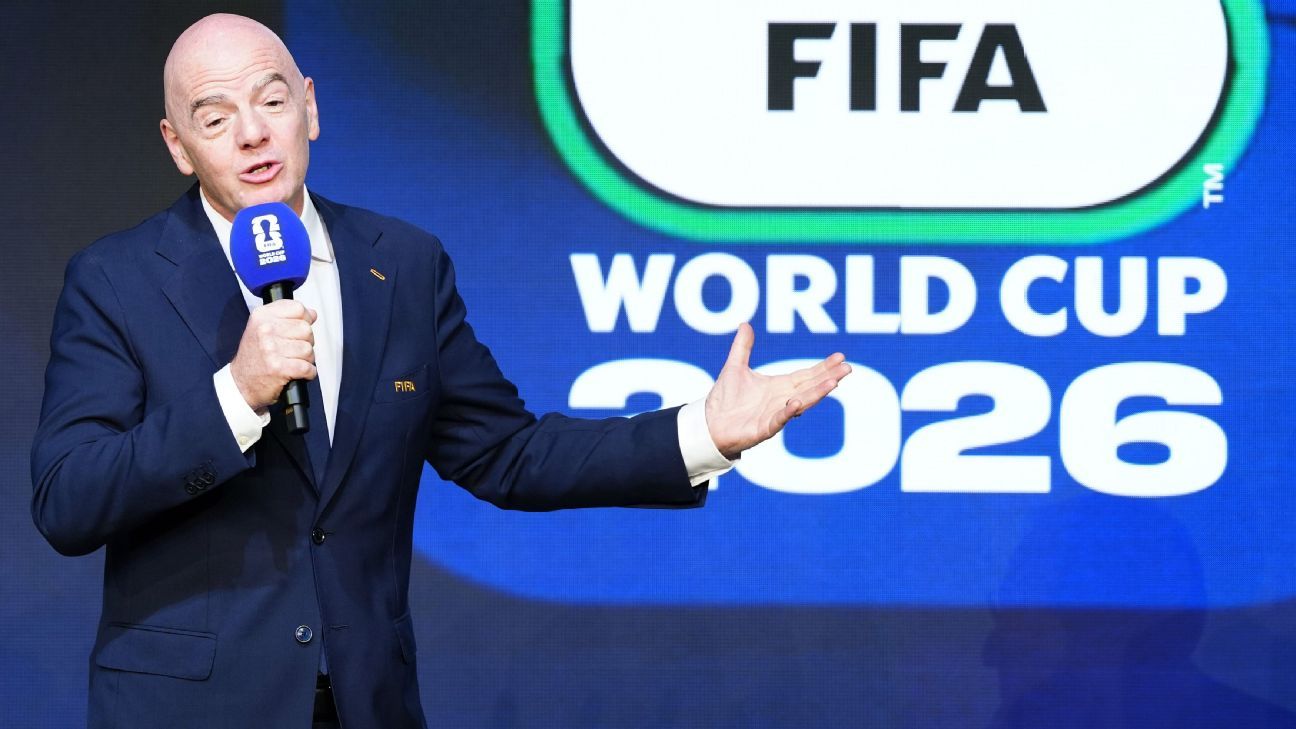
FIFA announced on Friday that it received an astonishing 5 million ticket requests within the first 24 hours of the latest ticket sales phase for the 2026 World Cup. This surge in interest comes despite significant backlash from supporter groups regarding the newly announced ticket prices. The governing body for world soccer emphasized that the demand reflects “extraordinary levels” of enthusiasm from fans globally.
Following last week’s draw for the tournament, fans were able to request tickets for specific matchups for the first time. FIFA highlighted the excitement from supporters spanning over 200 countries eager to participate in the inaugural World Cup featuring 48 teams. However, the organization faces mounting criticism over ticket prices that many consider exorbitant.
A recent report from the German Football Association revealed that ticket prices for group stage games range from $180 to $700. For the final match, tickets are priced between $4,185 and $8,680. Information shared by the English Football Association with the England Supporters Travel Club indicated that purchasing tickets for every game leading up to the final would cost fans just over $7,000.
The fan organization Football Supporters Europe (FSE) condemned these prices as “extortionate” and called for FIFA to suspend ticket sales through national associations until a solution that respects the tradition and cultural significance of the World Cup is established. The FSE stated, “This is a monumental betrayal of the tradition of the World Cup, ignoring the contribution of supporters to the spectacle it is.”
When the United States bid for the tournament seven years ago, the objective was to offer hundreds of thousands of affordable seats priced at $21. In a significant shift, FIFA has introduced dynamic pricing for this World Cup, a strategy previously tested at this summer’s Club World Cup, where ticket prices fluctuate based on demand. In contrast, when the U.S. last hosted the World Cup in 1994, ticket prices were between $25 and $475. For the 2022 World Cup in Qatar, ticket prices varied from around $70 to $1,600.
The ticket sales for this phase are conducted through a “random selection draw,” which began on Thursday and will continue until January 13, 2026. Fans can choose specific matches, ticket categories, and the number of tickets they wish to purchase, though there is no guarantee of securing tickets. Successful applicants will be notified by email in February and charged automatically.
FIFA reported that the three host countries—Canada, Mexico, and the United States—led the demand in this sales phase. Other countries expressing significant interest include Colombia, Brazil, and Scotland. Notably, a match between Colombia and the United States in Miami on June 27 attracted the highest number of requests within the first 24 hours. Other popular matchups include Brazil vs. Mexico in New Jersey, Ecuador vs. Germany in New Jersey, and Scotland vs. Brazil in Miami.
Despite the excitement surrounding Scotland’s participation in its first World Cup since 1998, a Scottish supporters’ group criticized the ticket prices as “disgraceful and disgusting.” The Association of Tartan Army Clubs (ATAC) expressed concerns that the current pricing structure would exclude many fans from attending. They stated, “FIFA has killed the dream of our young fans, desperate to get to a World Cup. The SFA must stand up to FIFA, together with other associations, to get FIFA to halt this sale and reconsider the prices for our supporters.”
In response to the discontent expressed by fans, England’s Football Association plans to communicate these concerns to FIFA. According to reports from the Press Association, while they aim to address the dissatisfaction, there is skepticism about any changes being made as a result.
FIFA concluded its update on the ticket requests by reiterating its commitment to reinvest the revenue generated from the World Cup to promote the growth of football across its 211 Member Associations globally.