An alarming flu outbreak is affecting the UK, with a significant number of children being hospitalized due to a subtype known as influenza A/H3N2. According to experts, the current situation is concerning yet not unprecedented. James Hay, a Research Fellow in Infectious Diseases Modelling at the University of Oxford, emphasized that while the flu’s transmission rate and severity of symptoms are within typical ranges for a flu season, the scale of this year’s outbreak is notable.
The NHS national medical director, Professor Meghana Pandit, described the situation as a “worst-case scenario” for the health service. Despite this, Hay reassured that the flu subtype has been circulating since 1968, and similar waves have occurred in the past. He stated that England’s flu season began earlier than in Scotland, Wales, and Northern Ireland, suggesting geographical variations in the outbreak’s impact.
Children and Vulnerable Groups Most Affected
Hay explained that children and teenagers are disproportionately affected, primarily due to their high contact rates in schools, which facilitate the spread of the virus. Their immune systems are also less experienced in combating flu viruses compared to adults. He noted, “Adults are generally less likely to become infected due to lower contact rates and greater experience with influenza.”
However, individuals aged over 64 are at an increased risk, as they often have pre-existing health conditions that may lead to severe illness. Furthermore, young children are particularly vulnerable due to their developing immune systems. Hay pointed out that this year’s flu strain may have identified an immunity gap among children, contributing to higher infection rates in this group.
Recent figures from the UK Health Security Agency indicate that the northern regions and the Midlands may be experiencing slightly elevated flu rates. Even so, these increases are not deemed dramatic.
Vaccination and Precautions Recommended
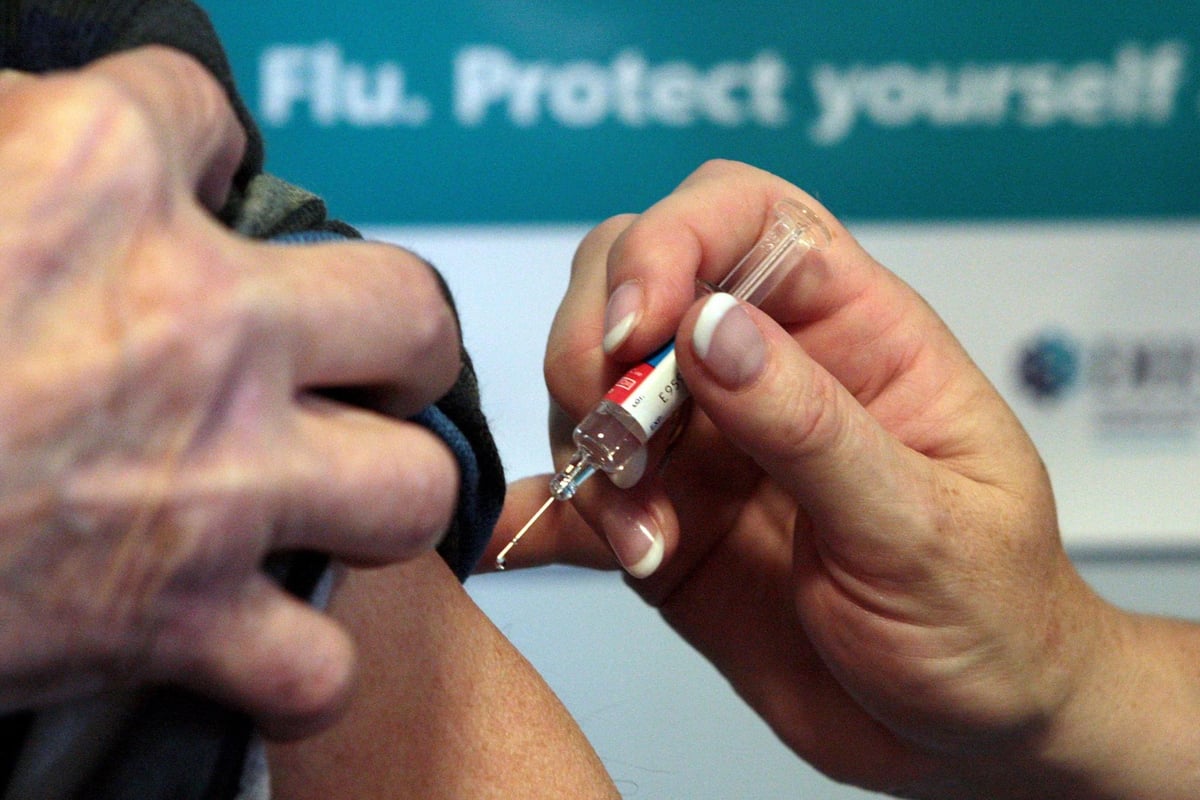
Hay highlighted the importance of vaccination in mitigating the severity of the flu. Statistics reveal that flu vaccinations can reduce hospitalization rates by approximately 30 to 40% among seniors, while children who are vaccinated face a 70 to 75% lower risk of hospital visits related to flu. Children typically receive a nasal spray vaccine, which has proven more effective for their age group compared to the injection given to adults.
He strongly urged individuals to stay home if they show symptoms of influenza, stating, “It is crucial to rest and take precautions to avoid spreading the virus to others.” While influenza can be a distressing illness, most individuals recover without requiring medical treatment. Hay reiterated the importance of following NHS guidelines regarding when to seek assistance.
Time is of the essence, according to Hay. “It’s not too late to get vaccinated. Even after the epidemic peaks, it takes time for case numbers to decline,” he said. “Any additional protection from the vaccine remains beneficial.”
As the UK grapples with this flu outbreak, understanding its dynamics and taking preventive measures, particularly through vaccination, remains vital in safeguarding public health.