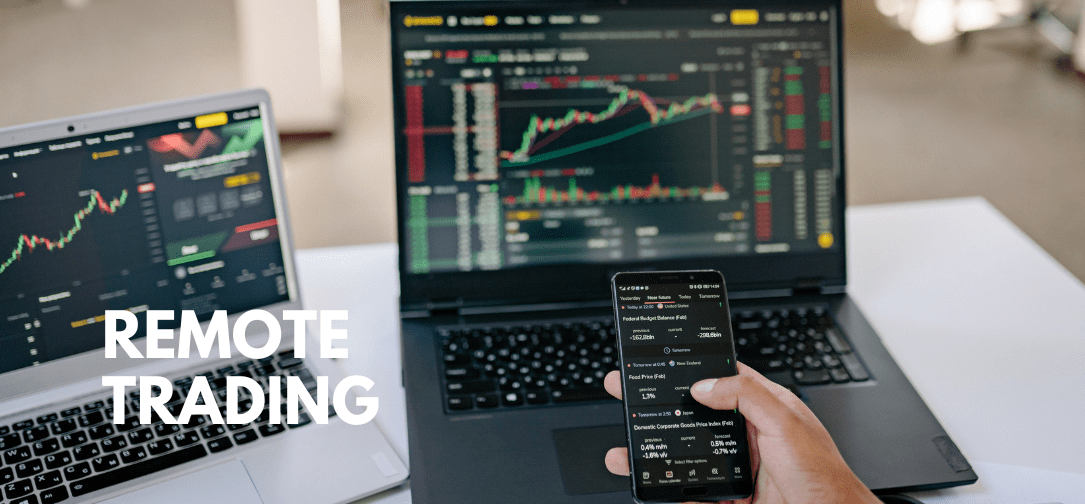
The rise of remote trading has prompted many traders to rethink their home office setups. As markets become more volatile and data-heavy, having a dependable, efficient trading environment is essential. To navigate these challenges, traders need a setup that prioritizes speed, reliability, and security without unnecessary distractions.
Establish a Powerful Workstation
A trader’s computer serves as the core of their operations. While it does not need to be flashy, it must be powerful enough to handle demanding tasks. Many traders opt for business-grade machines, such as those from Dell, featuring ample RAM, SSD storage, and efficient cooling systems. These specifications allow for seamless multitasking, accommodating multiple charts, live data feeds, and communication tools.
Consider exceeding the minimum requirements suggested by trading software. For example, if the software recommends 16 gigabytes of RAM, selecting 32 gigabytes enhances performance, allowing traders to keep scanners, browser tabs, and chat applications open without slowdowns. Moreover, SSDs are crucial for quick boot times and fast access to historical data. A quiet computer also contributes to a more comfortable trading experience, especially during extended sessions.
Ensure a Stable Internet Connection
Even the most robust computer is ineffective without a reliable internet connection. For remote trading, stability often outweighs speed. A wired Ethernet connection is preferable, as it minimizes Wi-Fi interference and latency spikes. If Wi-Fi is necessary, investing in a high-quality router and positioning it close to the desk is advisable. Additionally, consider avoiding network congestion during trading hours.
Having a backup connection is a prudent strategy. A 4G or 5G hotspot can be invaluable if the primary internet connection fails. Regularly testing the backup ensures it is ready to be used when needed. Even a modest connection can suffice for executing trades or managing risks during outages.
Organize Your Screens for Efficiency
A cluttered desktop adds unnecessary stress to trading. Implementing multiple monitors can significantly improve efficiency by keeping charts, news, orders, and messages easily accessible. While an extensive array of screens is not necessary, having a couple of monitors can make a noticeable difference.
Position the most critical information, such as live orders and open positions, in a location where it is visible at a glance. Secondary screens can display less urgent items like watchlists or long-term charts. As traders refine their setups, they will find layouts that allow for smooth transitions between vital information during fast-paced trading sessions.
Create a Comfortable Workspace
The mental and physical demands of trading require a conducive workspace. Ergonomic furniture, including a chair with proper lumbar support and a desk at the correct height, can reduce fatigue. Maintaining monitor height at eye level, along with using an external keyboard and mouse, enhances comfort and precision.
Lighting is another key factor; opting for soft, indirect light helps minimize glare and eye strain. If possible, designate a trading area separate from relaxation or sleep spaces. Simple adjustments, such as managing cable clutter and keeping the desk tidy, contribute to a calmer environment, enabling better focus during high-pressure market situations.
Prioritize Security and Backup Measures
A robust trading setup extends beyond hardware; safeguarding financial assets and personal data is paramount. Implementing two-factor authentication on accounts, using a reliable password manager, and keeping software updated are essential security practices.
Regular backups are critical for protecting important files. Storing essential documents both in the cloud and on an external drive ensures redundancy. Additionally, documenting layouts, hotkeys, and settings aids in quickly rebuilding a setup on a new machine if necessary. Proactive measures today can prevent headaches in the future.
Building an effective remote trading setup is a process that takes time and careful consideration. By investing in a solid workstation, ensuring a reliable internet connection, organizing screen layouts thoughtfully, creating a comfortable workspace, and maintaining security protocols, traders can navigate today’s markets with confidence and efficiency.