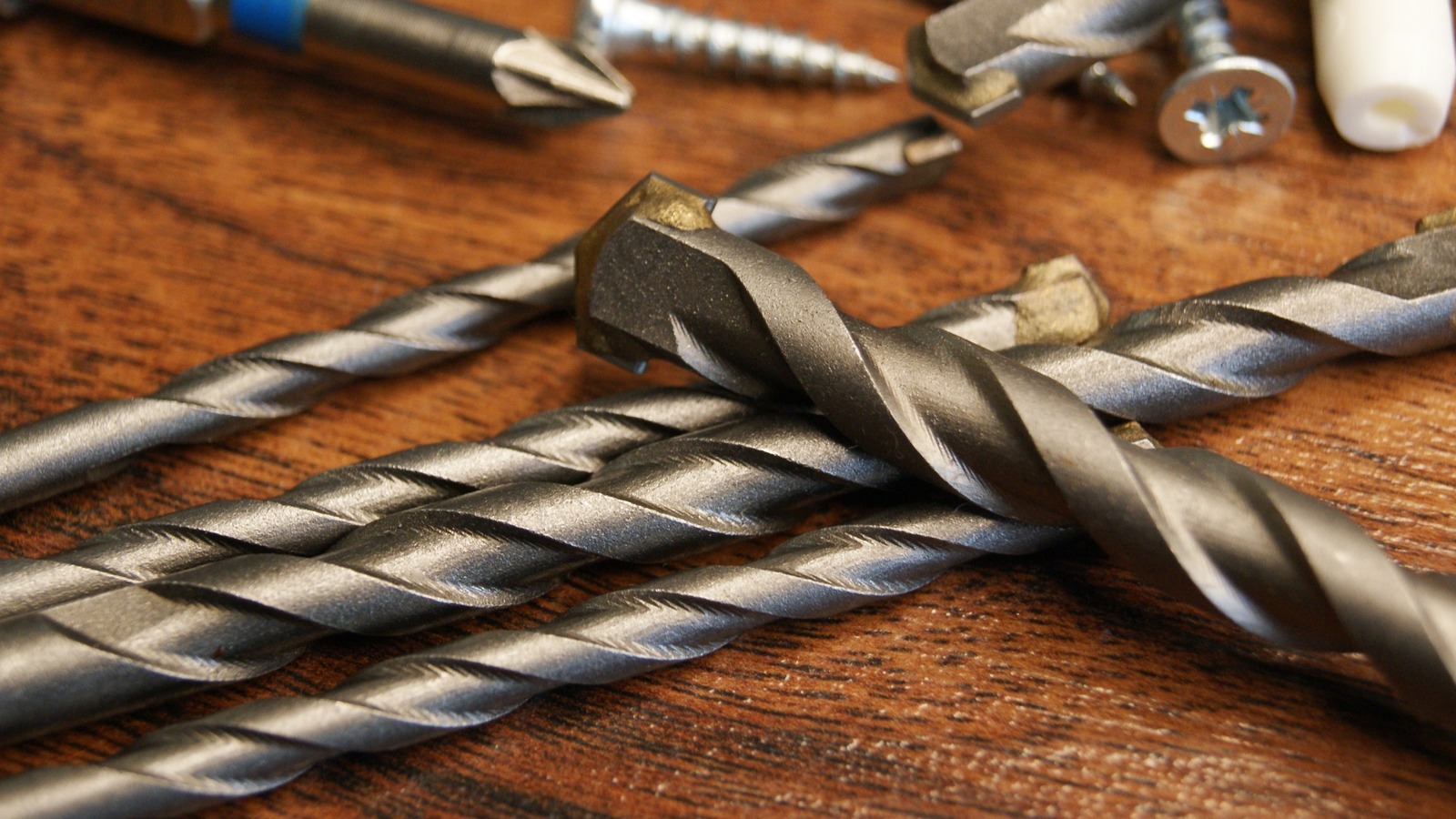
Understanding the differences between drill bit materials is essential for achieving optimal results in various projects. Cobalt and carbide drill bits, in particular, offer distinct advantages depending on the task at hand. Each type has unique properties that can significantly influence performance, durability, and cost-effectiveness.
Comparison of Cobalt and Carbide Drill Bits
Cobalt drill bits are known for their toughness and heat resistance, making them particularly effective for drilling into hard metals such as stainless steel and cast iron. These bits are made from a steel alloy that contains a small percentage of cobalt, which enhances their ability to withstand high temperatures without losing their cutting edge. While cobalt bits can endure extensive use, they typically require resharpening after significant wear.
In contrast, carbide drill bits are composed of an even tougher material. They excel in cutting through hard metals and are especially suitable for masonry and stone-working tasks due to their increased durability. The hardness of carbide bits, however, comes with a trade-off; they are more brittle and prone to breakage compared to cobalt bits. Additionally, resharpening carbide is more challenging, often requiring specialized tools or professional services.
Both cobalt and carbide drill bits serve specific purposes, and understanding their differences is crucial for selecting the right tool for any drilling project. Cobalt bits are often preferred for tasks involving high heat, while carbide bits are ideal for applications needing precision and durability.
Cost Considerations and Practical Applications
When selecting drill bits, cost plays a significant role. Generally, carbide bits are more expensive than cobalt bits due to their advanced material properties and longer lifespan. While the upfront investment in carbide may be higher, their durability often leads to fewer replacements over time, potentially offsetting the initial cost.
For homeowners and professionals alike, choosing the right drill bit can be daunting. Retailers such as Harbor Freight and Home Depot offer a variety of options, making it essential for consumers to understand the distinctions between cobalt and carbide bits. This knowledge is particularly beneficial for those engaged in drill-intensive jobs, as it can streamline decision-making and enhance project efficiency.
In summary, both cobalt and carbide drill bits have their place in the toolkit of anyone who regularly engages in drilling tasks. By recognizing their individual strengths and weaknesses, users can make informed choices that lead to better performance and longer-lasting tools.