The European Commission has approved national investment plans from eight member states, securing a total of €74 billion under the SAFE (Security Action for Europe) initiative. This decision is a significant step in the EU’s broader strategy to bolster defence capabilities amid rising geopolitical tensions, particularly concerning Russia’s military activities in Europe.
On Monday, Estonia, Greece, Italy, Latvia, Lithuania, Poland, Slovakia, and Finland received approval for their funding requests. The approved plans represent about half of the total €150 billion that the Commission aims to raise to support the Security Action for Europe programme. Notably, Poland stands out with a substantial request of €43.7 billion, the largest among the participating nations.
Strengthening European Defence Capabilities
This recent approval follows an earlier allocation of €38 billion to eight other countries, including Belgium, Bulgaria, Denmark, and Spain, which was granted on January 15. Defence Commissioner Andrius Kubilius emphasized the importance of these investments, stating, “With this second batch of SAFE investments, Europe is finally backing its security ambitions with the necessary financial weight.” He underscored that the EU is transitioning from strategy formulation to tangible military enhancement.
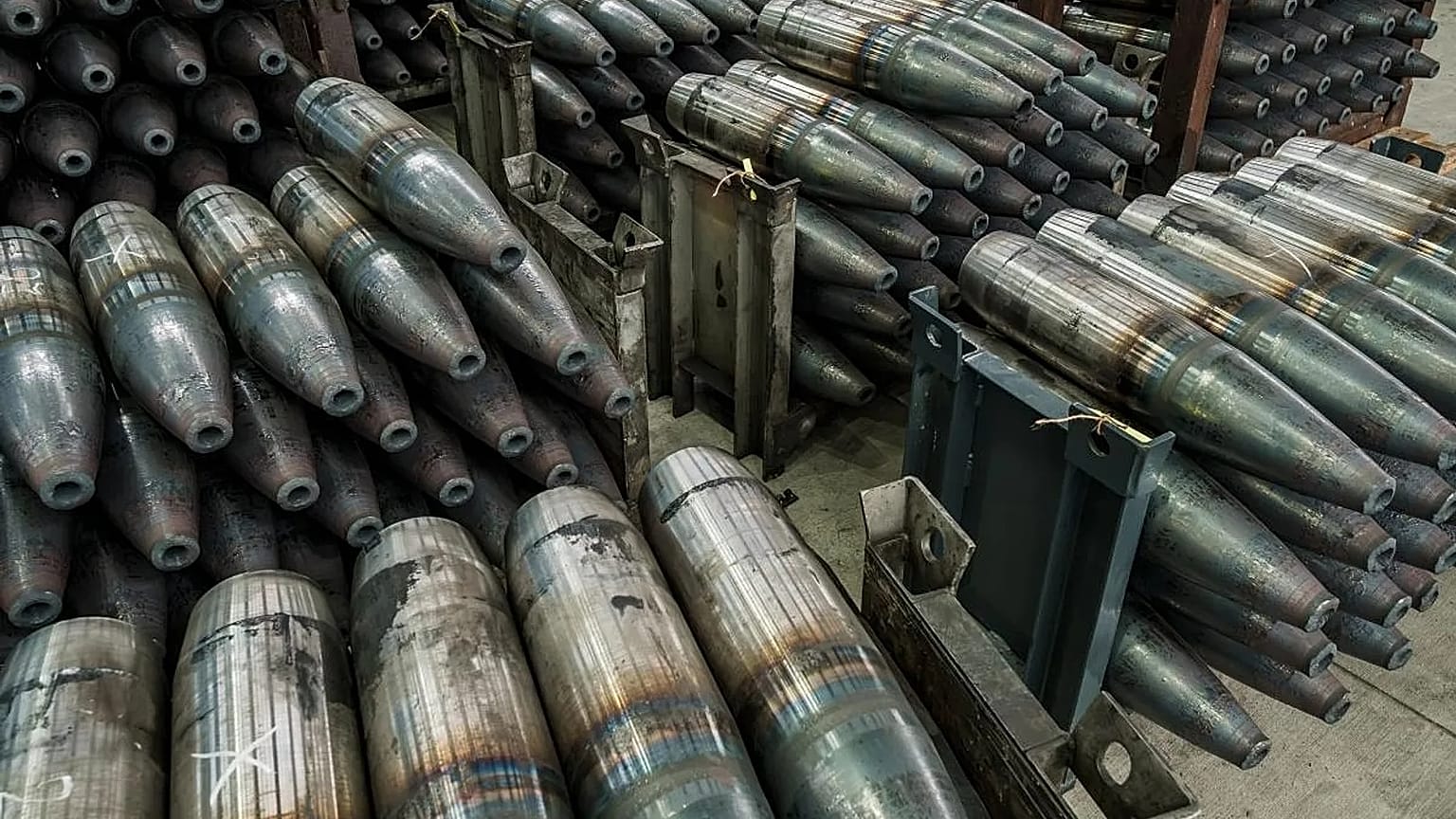
The SAFE programme is part of the Commission’s ambitious Readiness 2030 plan, which aims to inject up to €800 billion into European defence by the end of the decade. The initiative seeks to prioritize the procurement of essential defence products, including ammunition, missiles, artillery systems, drones, and cybersecurity technologies. An important stipulation of the programme is that at least 65% of the components must be sourced from within Europe, the European Economic Area, or Ukraine.
Funding and Future Prospects
Nineteen EU member states have expressed interest in the SAFE funding, with provisional agreements reached last September. The national investment plans from Czechia, France, and Hungary are still undergoing review. The programme offers advantages to countries with lower credit ratings, enabling them to access better financing rates compared to the Commission’s own credit rating.
Germany has opted not to request SAFE funds, indicating varied levels of engagement among member states. EU ministers now have four weeks to finalize the plans, with initial payments anticipated by March 2026.
The popularity of the SAFE initiative has led to discussions about potential expansion. Last year, Ursula von der Leyen, President of the European Commission, noted that the scheme was oversubscribed, with participating countries initially requesting more than €150 billion.
As the EU moves forward with these investments, it sends a clear message about its commitment to enhancing security and sovereignty in the face of evolving threats. With these strategic financial allocations, Europe aims to strengthen its defence infrastructure and ensure readiness for potential challenges ahead.