Oil prices surged dramatically following coordinated airstrikes by the United States and Israel on Iran, which began on February 28, 2024. The strikes, branded by the Pentagon as “Operation Epic Fury,” targeted military facilities, including nuclear sites, and resulted in the death of Iranian Supreme Leader Ali Khamenei. This escalation has triggered a geopolitical crisis with significant implications for global energy supply and economic stability.
The ramifications of the conflict are being felt across the world, particularly in oil and gas markets. As of this morning, oil prices rose past $115 per barrel, with Brent crude reaching $119 before a slight retreat. This represents the largest single-week gain in the history of futures trading, marking a significant shift in the energy landscape. The S&P 500 futures have declined, while Asian markets also experienced sharp drops, with Japan’s Nikkei falling by 5% and South Korea’s KOSPI plummeting 6% at market open.
With the conflict escalating, Iran retaliated with missile strikes on U.S. bases in Qatar and the UAE, among other locations. These attacks have resulted in significant casualties, including the deaths of seven American service members and one dockworker in Bahrain. The situation has exacerbated tensions in the region and created a ripple effect on global supply chains, leading to a crisis that threatens the very infrastructure of the global economy.
Impact on Global Energy Supply
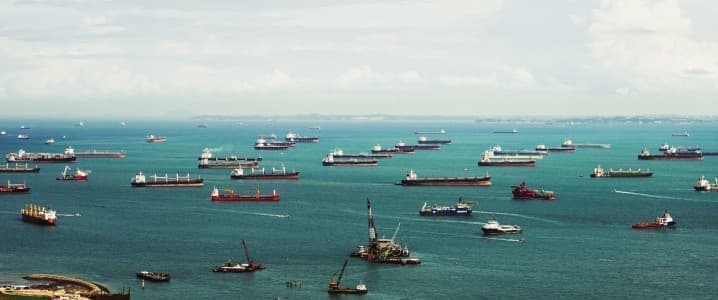
The Strait of Hormuz, a crucial maritime chokepoint through which approximately 20% of the world’s oil is transported, is now effectively closed to allied shipping. While not formally blocked, the Iranian Revolutionary Guard declared the strait shut to vessels associated with allied nations. As a result, insurance companies have withdrawn coverage, crippling tanker traffic. Daily vessel movements have plummeted from an average of 138 to just two, with 150 tankers anchored in the Gulf and 147 container ships stranded.
Major shipping lines, including Maersk, CMA CGM, and Hapag-Lloyd, have suspended operations. This disruption is unprecedented and is expected to have far-reaching consequences for global trade. The Houthis have renewed their attacks in the Red Sea, compounding the crisis by effectively closing another critical chokepoint.
In financial terms, liquefied natural gas (LNG) shipping charter rates skyrocketed from $40,000 to $300,000 per day—an increase of 650%. The immediate impacts are staggering, with Asian LNG prices doubling and Qatar declaring force majeure on contracts due to damage from Iranian drone strikes.
Wider Economic Ramifications
The conflict is not just a shipping issue; it has severe implications for global agriculture and energy markets. The reliance on natural gas for fertilizer production means that disruptions in supply chains will resonate through the agricultural sector, especially as spring planting season approaches in the Northern Hemisphere. Prices for urea, a key fertilizer component, have already surged by 35% in Egypt this week.
The international aviation sector is also feeling the strain. Over 20,000 flights have been grounded since the onset of the conflict, resulting in an 18% decline in global air cargo capacity. This decline affects not only consumer goods but also critical supplies such as pharmaceuticals and electronics. The cascading effects of these disruptions are likely to lead to rising prices for consumers worldwide.
The ongoing crisis is compounded by existing tariff pressures following recent legal rulings in the United States that have limited the government’s ability to impose tariffs. The Supreme Court’s decision effectively dismantled a significant portion of the previous administration’s tariff regime, resulting in a new 10% global tariff that is set to expire in mid-July unless extended. This situation creates a complex interplay between rising costs associated with the war and ongoing trade challenges.
Economic analysts are warning that the combination of escalating oil prices, increased shipping costs, and rising tariffs could lead to significant inflationary pressures. Goldman Sachs has projected that if oil prices remain elevated, U.S. consumer price inflation could rise from 2.4% in January to 3% by year’s end. Similarly, the European Union could see inflation increase by a full percentage point.
As the global economy grapples with these challenges, the urgency of addressing the crisis becomes paramount. The political ramifications of the conflict are already evident, with public sentiment shifting against the current administration’s handling of inflation and economic stability. The war is estimated to be costing the U.S. around $1 billion per day, highlighting the immediate financial burden of ongoing military engagement.
While the situation remains fluid, the long-term consequences of this crisis are likely to shape economic policies and consumer behavior for years to come. The interconnectedness of global supply chains means that disruptions in one region can have cascading effects worldwide, making the resolution of this conflict critical for economic recovery and stability.