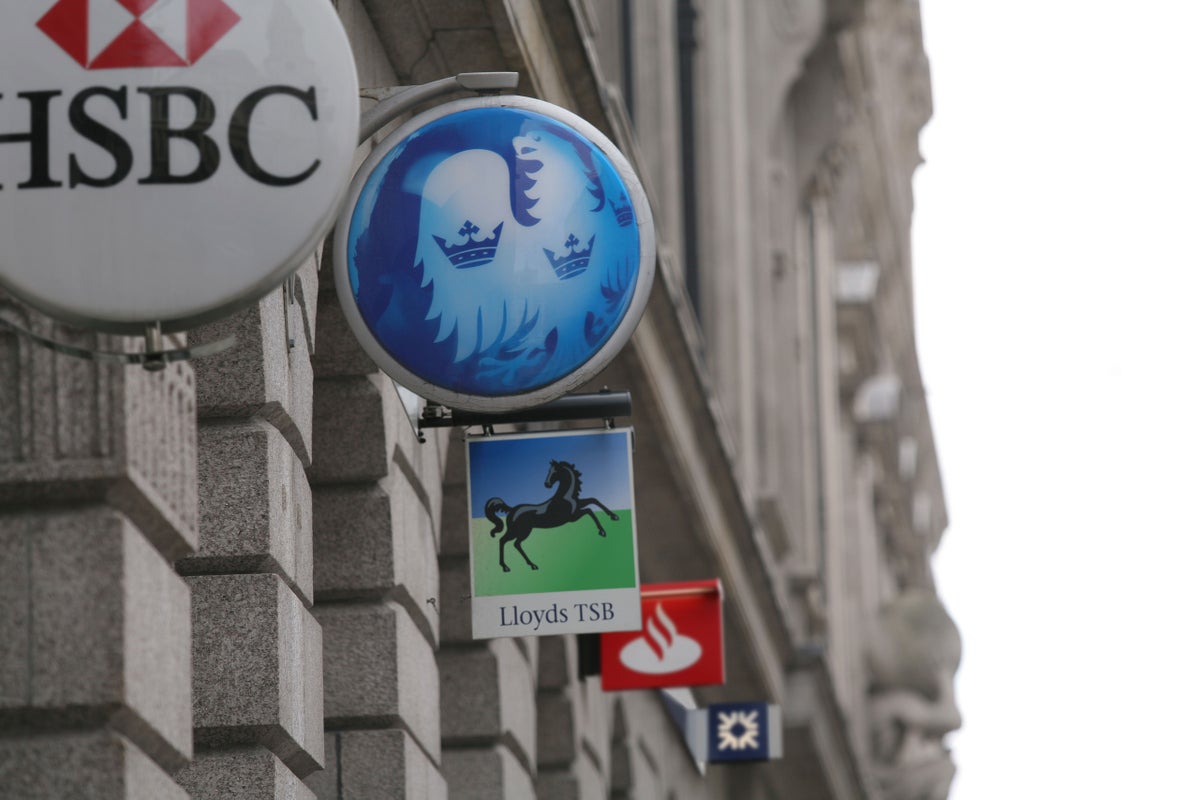
Millions of consumers in the United Kingdom risk losing out on potential savings by remaining loyal to their banks for extended periods. Financial experts emphasize that switching providers could lead to significant financial benefits, even amounting to hundreds or thousands of pounds. A recent survey conducted by Which? Money revealed that approximately four in ten individuals have maintained the same current account provider for over 20 years.
This trend of inertia is particularly pronounced among customers of major banks, who often believe that all banking options are similar. Sam Richardson, deputy editor of Which? Money, challenges this misconception, stating, “At first glance, a current account seems like the most basic banking product available. However, that couldn’t be further from the truth – we found huge disparities between the best and worst performers, not just in terms of account features but customer service, too.”
Shopping Around for Better Banking Options
Richardson encourages consumers to treat banking comparisons as a regular part of financial management, similar to seeking better rates for car insurance or mobile services. “Whether it’s your current account or your savings, it’s well worth shopping around to see if you could be getting a better deal elsewhere,” he adds.
The UK banking sector is notably competitive, as highlighted by Peter Tyler, director of personal finance at UK Finance. He notes, “Banks and building societies have a range of accounts available for customers to choose from.” The process of switching accounts has been simplified by the Current Account Switch Service (CASS), which provides a clear, step-by-step guide for consumers.
Key Features to Consider When Switching
When evaluating banking options, CASS encourages consumers to consider various factors, including branch accessibility, customer service ratings, cashback incentives, and additional perks like cinema tickets. Lower overdraft fees and higher savings interest rates are also critical elements that can influence a decision.
The Competition and Markets Authority (CMA) regularly publishes data comparing banks’ service levels based on independent customer surveys. These surveys assess customer satisfaction and the likelihood of recommending their bank to others. Once a suitable account is identified, CASS ensures a seamless transition, typically completing the switch within seven working days, including automatic transfers of regular payments.
Emerging Digital Banking Options
As more consumers explore their banking choices, Richardson notes the growing variety of perks associated with free accounts. These can include fee-free foreign spending and cashback offers. For individuals who prefer a physical banking presence, Nationwide has been recognized as Which?’s banking brand of the year. In contrast, digital banks such as Starling, Monzo, Chase, and first direct are gaining traction, offering modern, convenient banking solutions.
According to Jasmine Birtles, founder of the personal finance website MoneyMagpie, digital banks are particularly appealing for users who prefer app-based banking. “Starling and Monzo offer quick and easy setup with lower fees and useful online budgeting tools,” she explains. Birtles also highlights alternatives like Tallymoney, which automatically invests deposits in gold, allowing users to transact globally without exchange rate issues.
Evaluating Packaged Accounts and Timing for Bonuses
When considering new accounts, Richardson suggests that packaged bank accounts offering additional services, such as travel insurance or breakdown cover, can be valuable. However, he warns consumers to ensure that these benefits justify the associated costs. “Just make sure the benefits are ones you’ll get your money’s worth from,” he advises.
Timing a switch can also lead to cash bonuses, as many providers offer promotions to attract new customers. Savings accounts, similar to current accounts, are often overlooked. Following the Bank of England’s base rate cut to 3.75% in December 2023, many providers have reduced rates on instant access accounts. Nonetheless, Richardson asserts that competitive rates still exist, particularly among digital banks.
In conclusion, failing to review banking options can result in significant long-term financial losses. Richardson emphasizes, “Leaving money sitting in a low-interest account can cost you hundreds, if not thousands, of pounds in the long-term, so it’s well worth making a change to prevent your money from losing value in real terms.”