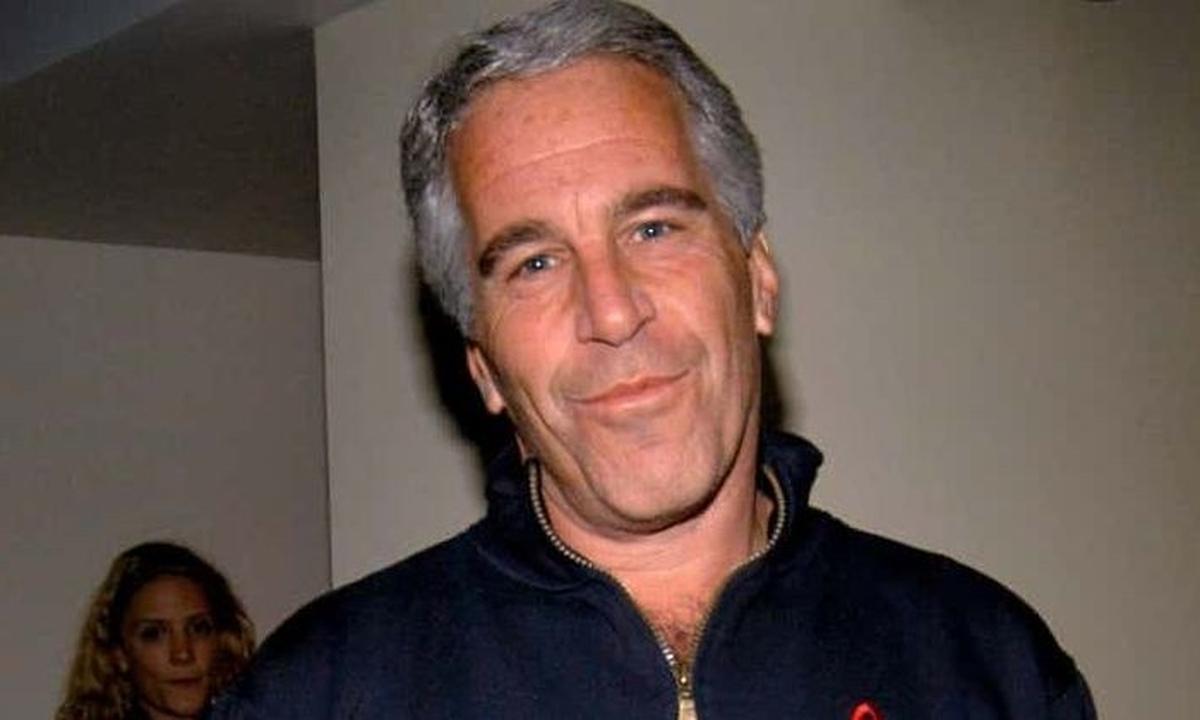
The recent release of thousands of court documents has unveiled surprising connections between the late financier Jeffrey Epstein and the early development of cryptocurrency. These documents indicate that Epstein was not merely a passive observer of the digital currency revolution but an active participant influencing key figures in the blockchain industry.
The cache of emails and legal filings suggests Epstein attended meetings with prominent architects of the cryptocurrency world, raising questions about his influence on Bitcoin during its formative years. Traditionally associated with high finance, Epstein demonstrated a keen interest in the crypto market, investing approximately £2.4 million ($3 million) in Coinbase in 2014, well ahead of mainstream awareness of digital currencies. This investment, facilitated by entrepreneur Brock Pierce, valued Coinbase at around £315 million ($400 million) at the time. By 2018, Epstein reportedly sold half of his stake for £11.8 million ($15 million) as the company’s valuation surged.
Emails indicate that despite Epstein’s 2008 sex offense conviction, notable figures at Coinbase were aware of his involvement. His investments extended beyond Coinbase; documents reveal he also held a stake in Blockstream, a significant player in blockchain technology founded by Adam Back. This financial involvement positions Epstein as a substantial figure in the infrastructure of the cryptocurrency sector.
Epstein’s Role in Cryptocurrency Networking
The documents further detail private gatherings at Epstein’s Manhattan townhouse, where discussions centered on the future of digital currency. One notable meeting included Brock Pierce and former US Treasury Secretary Larry Summers, where Pierce introduced himself as the “most active investor in Bitcoin.” Through these interactions, Epstein functioned as a bridge between the chaotic realm of early cryptocurrency and the established institutions of traditional finance.
These meetings occurred during a time when Bitcoin struggled with its reputation as a tool for illicit online activities. By connecting influential figures like Summers with key players in the cryptocurrency world, Epstein acted as a de facto lobbyist, long before the sector developed its own advocacy.
Correspondence from Epstein’s estate reveals his acute awareness of the regulatory landscape. He even inquired with Steve Bannon about potential tax implications for cryptocurrency, suggesting a larger agenda to facilitate the mainstream acceptance of digital assets.
Links to Intelligence and Speculation on Satoshi Nakamoto
Among the more intriguing revelations is Epstein’s communication with Gavin Andresen, an original developer of Bitcoin. Emails show Epstein reached out to Andresen just days prior to his visit to CIA headquarters in June 2011. This timeline coincides suspiciously with the cessation of communications from Bitcoin’s mysterious creator, Satoshi Nakamoto.
While there is no definitive evidence linking Epstein to Nakamoto, the connections are compelling. Epstein’s associations with cryptographers and his financial backing of research initiatives through entities like the MIT Media Lab suggest a deeper involvement in the evolution of cryptocurrency than previously understood.
As these documents continue to surface, they challenge the narrative surrounding Epstein’s legacy and his potential impact on the world of digital finance. The implications of his connections could reshape perceptions of the early days of cryptocurrency and its development.