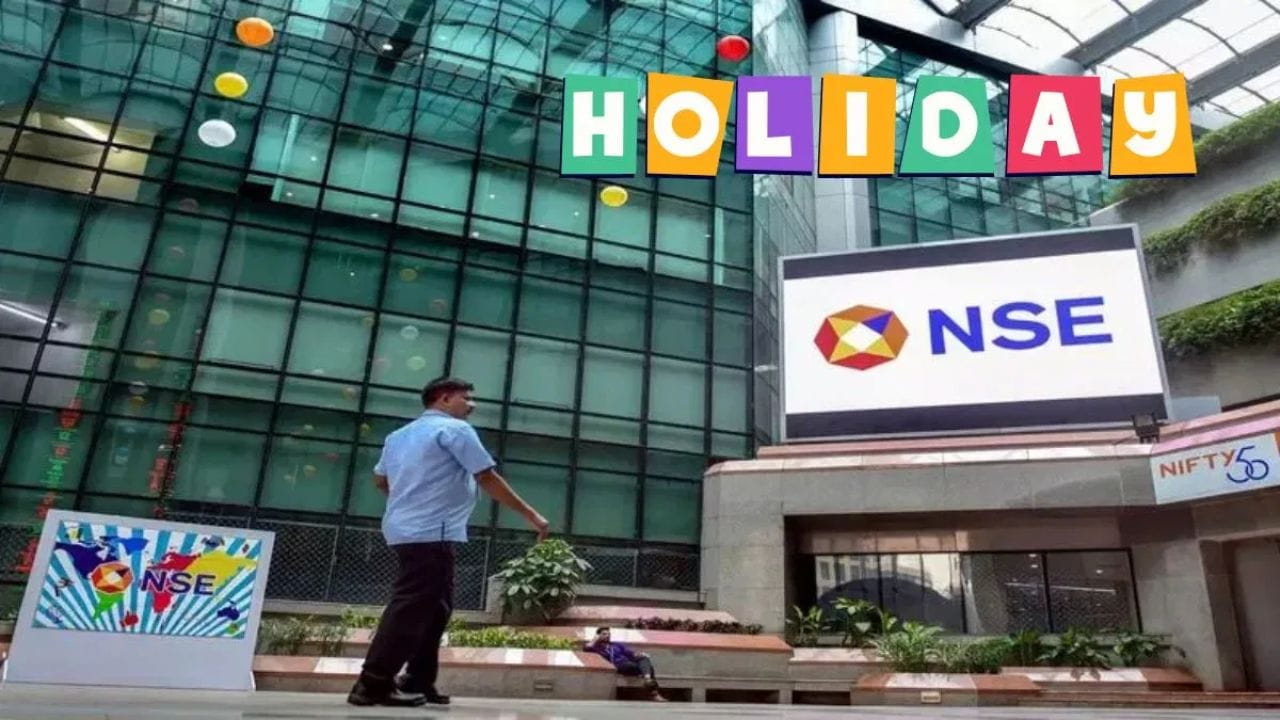
The National Stock Exchange (NSE) has unveiled its trading holiday calendar for 2026, designating a total of 15 days on which the Indian stock market will be closed. This announcement is significant for investors, as it includes key national holidays and major festivals, allowing traders to plan their activities accordingly.
Among the holidays, major events such as Republic Day, Independence Day, and Gandhi Jayanti will be observed. Additionally, significant festivals like Diwali, Holi, and Eid are included, which typically see increased market activity as traders respond to cultural events. Notably, five of the holidays will fall on Fridays, providing investors with extended weekends that may influence trading strategies.
Detailed Holiday Schedule
The following is the complete list of holidays observed by the NSE in 2026:
1. January 26, 2026 – Monday: Republic Day
2. March 23, 2026 – Tuesday: Holi
3. March 26, 2026 – Thursday: Labor Day
4. March 31, 2026 – Tuesday: Mahavir Jayanti
5. April 3, 2026 – Friday: Good Friday
6. April 14, 2026 – Tuesday: Dr. B.R. Ambedkar’s Birth Anniversary
7. May 1, 2026 – Friday: Maharashtra Day
8. May 28, 2026 – Thursday: Eid al-Adha (Goat Eid)
9. June 26, 2026 – Friday: Muharram
10. September 14, 2026 – Monday: Ganesh Chaturthi
11. October 2, 2026 – Friday: Mahatma Gandhi Jayanti
12. October 20, 2026 – Tuesday: Dussehra
13. November 10, 2026 – Tuesday: Diwali – Balipratipada
14. November 24, 2026 – Tuesday: Prakash Gurpurab (Shri Guru Nanak Dev)
15. December 25, 2026 – Friday: Christmas
This schedule allows investors to prepare for periods of inactivity, ensuring they can make informed decisions during trading days.
Budget Day Trading Insights
In addition to the holiday calendar, a special trading session is anticipated on February 1, 2026. This session coincides with the presentation of the Union Budget by Finance Minister Nirmala Sitharaman. Traditionally, the markets remain open on Budget Day, enabling investors to react promptly to government policy announcements.
Experts note that trading on Budget Day often leads to heightened volatility, prompting investors to approach their strategies with caution. The significance of this day cannot be overstated, as immediate reactions to fiscal policies can influence market dynamics for weeks to come.
As the year progresses, traders and investors are encouraged to stay informed about these holidays and their potential impact on trading activities. The NSE’s announcement serves as a vital tool for effective market participation in 2026.