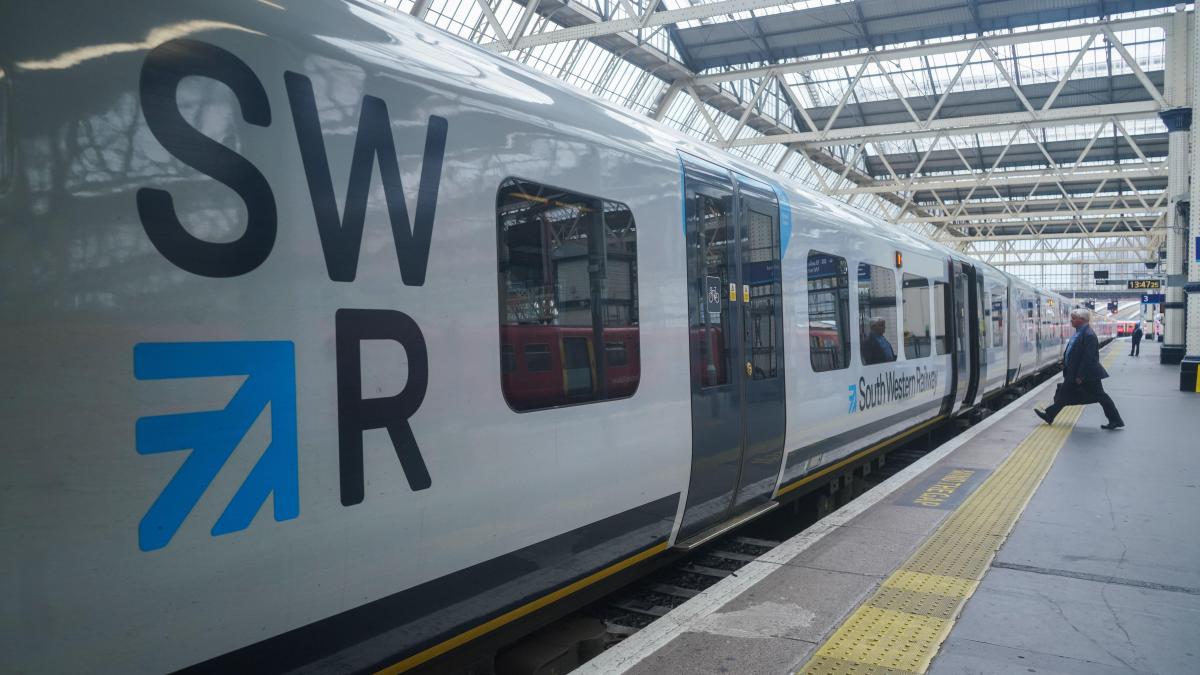
Rail fares in the United Kingdom will be frozen in 2026, marking the first time in three decades that prices will not increase in line with the Retail Prices Index (RPI). This decision, announced by Transport Secretary Mark Harper, aims to provide significant financial relief to commuters, particularly those facing ongoing economic challenges.
The freeze on fares means that many travelers could save hundreds of pounds on their annual transport costs. By eliminating the usual annual hike tied to the RPI, which has typically seen fares rise by as much as 4.5%, the government is responding to calls for more affordable public transport options. According to estimates, some commuters could save up to £400 each year, a substantial amount for many households.
Government Initiative to Support Commuters
The decision to freeze fares comes at a time when public transport users have expressed frustration with rising costs and service disruptions. The UK government hopes this initiative will not only alleviate financial burdens but also encourage more people to use trains as a viable alternative to cars. This move aligns with broader environmental goals aimed at reducing carbon emissions from road traffic.
Transport Secretary Mark Harper emphasized the importance of this decision, stating, “This freeze will provide much-needed relief for millions of commuters while also supporting our commitment to a cleaner, greener transport system.” The government aims to balance the need for affordable travel with the sustainability of the rail network.
Wider Implications for the Transport Sector
While the fare freeze is a welcome change for many, it also raises questions about the financial viability of the rail operators, who rely heavily on fare revenue to maintain and improve services. Critics argue that without increases in fares, the quality of service could suffer in the long run. The government has reassured stakeholders that it will provide additional support to rail companies to ensure they can continue to operate effectively.
This freeze is part of a broader strategy to modernize the UK’s rail system, which has faced significant scrutiny in recent years. The government has invested heavily in infrastructure improvements and service enhancements, aiming to make rail travel more appealing and accessible to a wider audience.
The impact of this decision will be closely monitored as the government prepares for the upcoming 2026 transport budget discussions. Stakeholders across the rail industry, from operators to commuters, will be watching how these changes unfold and what they mean for the future of rail travel in the UK.
In summary, the freezing of rail fares in 2026 marks a significant shift in policy aimed at supporting commuters. With potential savings of up to £400 for many, this initiative represents a proactive approach to addressing the financial pressures faced by public transport users. As the government continues to navigate the complexities of the transport sector, the focus remains on providing affordable and sustainable travel options for all.