River Island, a prominent name in the UK fashion industry, has announced plans to permanently close at least 27 stores this month, with the Sutton Coldfield branch set to shut its doors on January 18, 2025. This decision follows a comprehensive restructuring initiative aimed at addressing the challenges posed by changing shopping habits and rising operational costs.
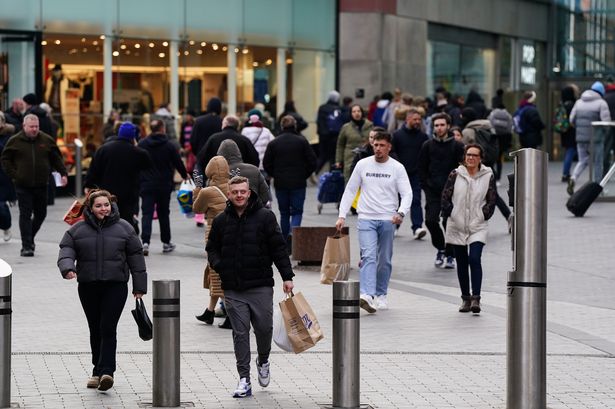
The restructuring plan comes in response to a significant shift in consumer behavior, with more shoppers opting for online purchases over traditional high street shopping. As part of the adjustment, River Island will reduce its total number of stores from 250 to 122. The closures will affect various locations across the UK, including stores in Birmingham, Brighton, Edinburgh, and Great Yarmouth.
Details of the Closures
The upcoming closures are part of a broader strategy to stabilize the company’s financial health. River Island has already closed stores in cities such as Brighton and Edinburgh Princes Street in late 2025. The decision to shutter these 27 outlets is part of a necessary response to a challenging retail environment.
The company’s chief executive, Ben Lewis, expressed regret over the impending job losses, stating, “We regret any job losses as a result of store closures, and we will try to keep these to a minimum.” He emphasized the need for a clear strategy to ensure River Island’s long-term viability, given the increasing cost of doing business.
Impact on the Retail Landscape
According to company sources, River Island aims to negotiate with landlords for rent reductions in an effort to save additional stores and protect thousands of jobs across the British high street. The initiative is seen as crucial to maintaining the brand’s presence in a rapidly evolving retail landscape.
The closures are expected to have a significant impact on local communities, particularly in areas where River Island has been a staple on the high street for decades. The full list of locations set to close includes:
– Altrincham, Manchester – January 26
– Aylesbury, Buckinghamshire – January 18
– Bangor Bloomfield, Northern Ireland – January 24
– Barnstaple, Devon – January 31
– Beckton, Greater London – January 31
– Brighton, East Sussex – January 18
– Burton-Upon-Trent, Derbyshire – January 18
– Cumbernauld, Scotland – January 24
– Didcot, Oxfordshire – January 31
– Edinburgh Princes Street, Scotland – September 2025
– Falkirk, Scotland – January 31
– Gloucester, Gloucestershire – January 31
– Great Yarmouth – November 2025
– Grimsby, Lincolnshire – January 31
– Hanley, Staffordshire – January 24
– Hartlepool, County Durham – January 24
– Hereford, Herefordshire – January 31
– Kilmarnock, Scotland – January 24
– Kirkcaldy, Scotland – January 31
– Leeds Birstall Park, West Yorkshire – January 18
– Lisburn, Northern Ireland – January 18
– Northwich, Cheshire – January 24
– Norwich, Norfolk – TBC
– Oxford, Oxfordshire – January 31
– Perth, Scotland – January 18
– Poole, Dorset – January 31
– Rochdale, Greater Manchester – January 31
– St Helens, Merseyside – January 24
– Surrey Quays, Greater London – January 18
– Sutton Coldfield, Warwickshire – January 18
– Taunton, Somerset – January 18
– Workington, Cumbria – TBC
– Wrexham, Wales – January 18
As the retail sector continues to adapt to modern consumer preferences, River Island’s closure of these stores marks a significant shift in the high street landscape. The company’s focus on enhancing its in-store shopping experience and fashion offerings may play a vital role in its efforts to secure a sustainable future amidst ongoing challenges in the retail environment.