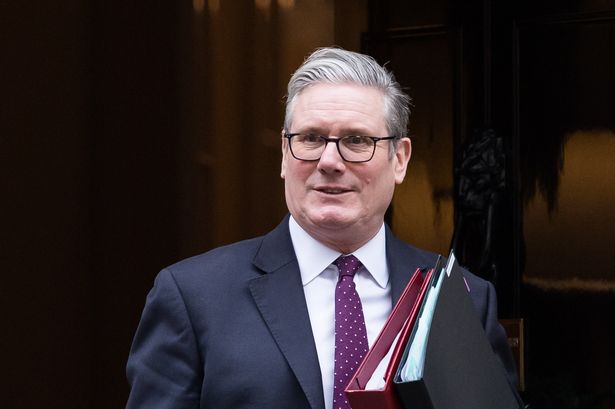
Sir Keir Starmer, the Prime Minister of the United Kingdom, has pledged to improve the quality of life for citizens by 2026, with a strong focus on addressing the ongoing cost of living crisis. As the Labour Government prepares to engage with voters in the coming week, Starmer is emphasizing policies aimed at reducing financial pressures on families.
During a series of visits, he plans to promote initiatives such as a freeze on rail fares and fuel duties, highlighting how these measures will allow “more people to begin to feel that positive change.” The renewed commitment comes as Members of Parliament return to Westminster after the Christmas break, with Starmer asserting that there will be “no let-up” in efforts to alleviate the economic burdens faced by households.
The backdrop of Starmer’s announcement is a challenging period for the Labour Government, marked by political controversies, leadership changes, and sluggish economic growth. The recent Budget decision to extend the freeze on income tax thresholds has raised concerns, as millions may be pushed into higher tax brackets. According to government officials, the measures announced in the autumn statement, which included an overall tax increase of £26 billion, were deemed “fair and necessary” to alleviate cost pressures and enhance public services.
In his remarks, Starmer acknowledged the difficulties many Britons are experiencing, stating that life is “harder than it should be” for too many. He aims to instill a renewed sense of hope among the populace, promising that in the upcoming months, they will start to feel the effects of positive change.
At an event on January 5, 2026, Starmer reassured families: “This Labour Government is on your side, doing everything we can to ease the cost of living – and make life better.” He outlined specific initiatives that include cutting energy bills by £150, raising the national living wage, and implementing measures to reduce commuting costs. He highlighted the significance of freezing rail fares for the first time in 30 years, capping bus fares, and extending the fuel duty cut until September.
“This is real change that you will be able to feel day in and day out,” Starmer stated. “Britain is turning the corner and 2026 is the year more people will feel renewal becoming reality.”
As the first Cabinet meeting of 2026 approaches, Starmer plans to reiterate his commitment to addressing the cost of living, stating, “I know families across the country are still worried about the cost of living. There will be no let-up in our fight to make life better for them.”
In response, Kemi Badenoch, the leader of the Conservative Party, criticized Starmer’s approach, asserting that the Prime Minister “expects gratitude” while his policies have exacerbated the cost of living crisis. Badenoch cited the “jobs tax” as a contributor to inflation, which has reportedly doubled since the Conservatives left power, and pointed to the impact of energy costs rising over £300 due to the Government’s net-zero policies.
She emphasized that working individuals are facing higher taxes to support increased benefits and welfare, declaring, “Labour have no plan to fix Britain and working families are paying the price. Only the Conservatives have the backbone to cut spending, cut taxes, and get Britain working again.”
As the political landscape evolves, the effectiveness of Starmer’s initiatives will be closely monitored by citizens and political analysts alike. The upcoming weeks could prove pivotal for the Labour Government as it seeks to reassure voters and demonstrate tangible benefits from its proposed policies.