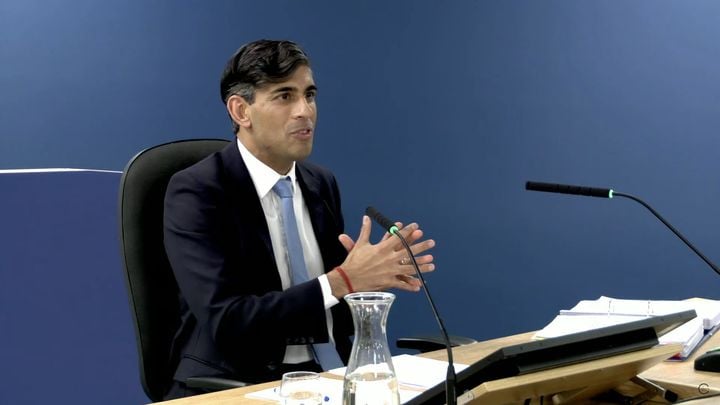
Rishi Sunak, the former Chancellor of the Exchequer, affirmed his commitment to the decisions made during the pandemic, particularly regarding the implementation of the Bounce Back Loan Scheme. As he resumed giving evidence at the UK Covid-19 Inquiry, Sunak stated he would take the same actions again despite criticisms surrounding fraud risks associated with the scheme.
During his testimony, Sunak emphasized the urgency of providing financial support to businesses that faced unprecedented challenges due to the pandemic. He defended the scheme’s rapid rollout, which aimed to ensure liquidity for struggling companies. The inquiry is currently examining the government’s economic response to the crisis, with a focus on the measures designed to support the business sector.
Fraud Risks Highlighted in Inquiry
The Bounce Back Loan Scheme, launched in May 2020, has faced scrutiny for its vulnerability to fraud. Reports indicate that billions of pounds were disbursed quickly, leading to concerns that inadequate checks allowed fraudulent claims to be processed. Sunak acknowledged these concerns but reiterated that the priority was to deliver immediate support to businesses in distress.
The inquiry has revealed that approximately £47 billion was allocated through the scheme, with estimates suggesting that around £4.9 billion may have been lost to fraud. Sunak stated, “Given the circumstances, it was right to act decisively to support businesses. I stand by my decisions.”
Sunak’s testimony comes as the inquiry seeks to understand the full impact of the government’s financial support measures and the lessons that can be learned for future crises. He highlighted that the Bounce Back Loan Scheme provided essential lifelines to over 1.5 million businesses, allowing many to survive the economic downturn caused by the pandemic.
Political Implications and Future Considerations
As the inquiry progresses, the implications of Sunak’s decisions are under close examination. Critics argue that the speed of the scheme’s implementation compromised its integrity, leading to significant financial losses. Sunak’s defense may influence public perception and political accountability regarding the government’s pandemic response.
The inquiry, which began in 2022, has garnered considerable public interest as it investigates the broader handling of the Covid-19 crisis by the UK government. Sunak’s role during this period remains a focal point, as he navigates the challenges of addressing both immediate economic needs and long-term fiscal responsibility.
As the inquiry continues, it is clear that the decisions made during this unprecedented period will be scrutinized for years to come, shaping not only public policy but also the future of economic governance in the UK.