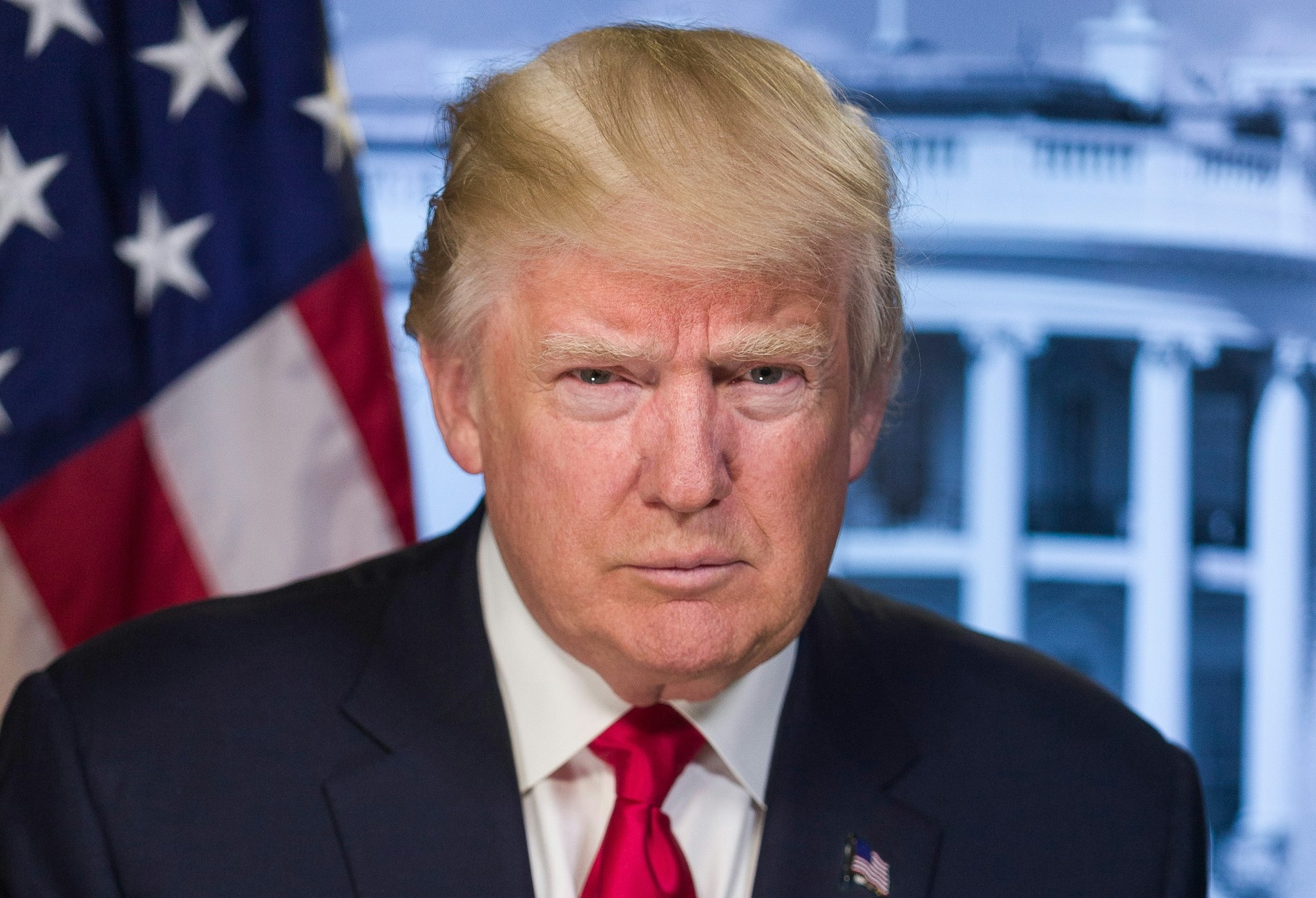
President Donald Trump announced plans for potential $2,000 tariff dividend checks for many Americans, funded by revenue generated from customs duties on imported goods. This initiative aims to provide financial relief to a majority of adults, excluding high-income earners. Trump highlighted that the distribution of these payments is contingent upon the substantial revenue collected from tariffs during his administration, which reached approximately $195.9 billion in fiscal year 2025.
In particular, around $90 billion of this revenue came from tariffs imposed under the International Emergency Economic Powers Act (IEEPA). While the prospect of these checks is appealing to many citizens, the proposal faces significant hurdles that could impede its implementation.
Legal and Legislative Hurdles Await
Currently, several of the tariffs are under review by the Supreme Court, which is examining the legality of implementing these tariffs through IEEPA. A ruling against the administration could drastically diminish the revenue necessary for the dividend payments. Furthermore, Congress has not yet passed any legislation to authorize these payouts, meaning that without congressional approval, the distribution of checks would not be legally feasible.
Some lawmakers have voiced concerns regarding the cost of the proposed payments, suggesting that efforts should focus on reducing the federal deficit instead of issuing widespread rebates. The anticipated £1,520 (approximately $2,000) payments could have substantial financial implications; if around 150 million Americans received the full amount, the total expenditure would approach $300 billion. This figure could potentially exceed the total revenue generated from tariffs.
While the announcement of dividend checks provides a glimmer of hope for financial relief, the timeline for distribution is set for 2026. This delay means that American households grappling with rising costs for groceries, energy, and other everyday items may need to seek alternative strategies for managing their finances in the interim.
Future Prospects and Administration Intentions
Despite the obstacles and ongoing legal challenges, Trump remains committed to the idea of tariff-funded checks. In a recent update, he stated that the payments are expected to roll out in 2026. When questioned about the possibility of the proposal failing to gain approval, he remarked, “Then I’d have to do something else.”
During a conversation with reporters aboard Air Force One, Trump reiterated his belief in the viability of the dividend, stating, “We are going to do a dividend, and we are also going to be reducing debt.”
As the situation develops, several critical factors will determine whether the proposed $2,000 tariff dividend checks materialize. These include the Supreme Court’s ruling on the IEEPA tariffs, congressional authorization for payments, and the finalization of qualification criteria. Until these questions are resolved, the checks remain a proposal rather than a guaranteed source of assistance for struggling households.