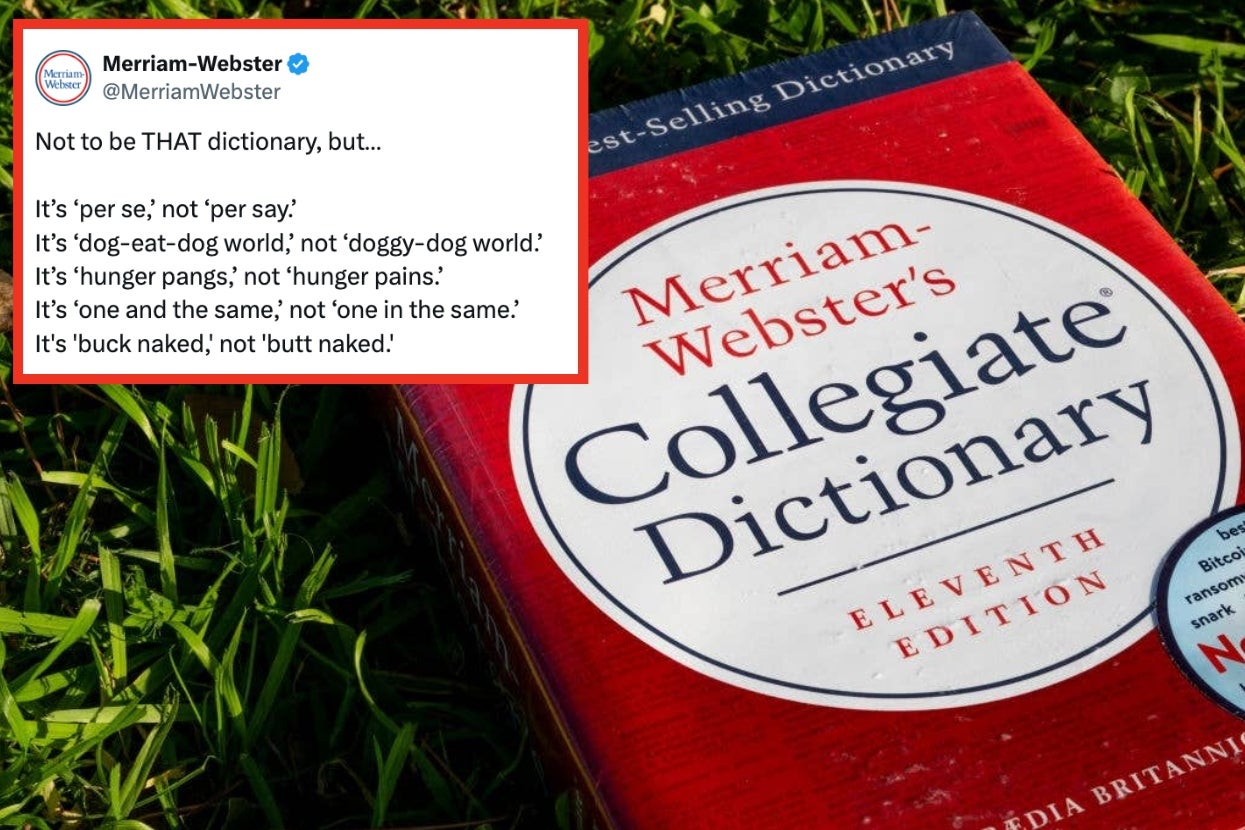
Language has undergone significant transformations in 2025, revealing surprising trends and insights that challenge our understanding of communication. Various linguistic studies and reports from credible sources such as the Oxford English Dictionary and Merriam-Webster highlight these developments, showcasing how words and phrases evolved over the year.
One notable insight is the rise of hybrid language forms, which combine elements from diverse linguistic backgrounds. This trend is particularly evident in multicultural urban areas. For example, cities like London, New York, and Sydney have seen an increase in the blending of English with languages such as Spanish, Mandarin, and Arabic. These hybrid forms reflect the growing diversity of populations and offer a glimpse into how language adapts to cultural shifts.
In 2025, the concept of digital communication has also influenced word usage. Terms such as “doomscrolling” and “Zoom fatigue” were officially added to dictionaries, illustrating how technology shapes everyday language. The emergence of new phrases highlights the impact of social media and remote work on communication styles. According to the Global Language Monitor, the frequency of these terms in popular discourse rose by over 150% compared to previous years.
One of the most intriguing developments has been the acceleration of linguistic change due to global events. The Language Evolution Conference, held in Berlin in March 2025, brought together linguists from around the world to discuss how crises, such as the ongoing pandemic, have influenced language. Many experts noted that certain words have taken on new meanings, driven by societal shifts and the need for clear communication during uncertain times.
The phenomenon of “word of the year” selections has also gained momentum in 2025. The Merriam-Webster committee announced its choice of “vaccine” as the word of the year, reflecting the global focus on health and safety. This selection underscores the significant role language plays in shaping public discourse around critical issues. In the United Kingdom, the Oxford English Dictionary opted for “climate emergency,” emphasizing the urgent need for action on environmental matters.
Another striking aspect of 2025’s linguistic landscape is the influence of youth culture on language. Terms originating in social media platforms, particularly among younger generations, have started to permeate everyday conversation. Words like “stan,” meaning to be an avid fan, and “shade,” referring to subtle insults, have become commonplace even among older demographics. This generational shift highlights how language is continuously evolving and adapting to new social norms.
Additionally, linguistic experts have observed a growing trend of using inclusive language. More organizations and individuals are adopting non-binary terms and gender-neutral pronouns, seeking to create more inclusive environments. This movement has gained traction in various sectors, from education to corporate policies, reflecting a broader societal push for equality and representation.
As we delve deeper into 2025, it is clear that language is not static; it evolves alongside society. The insights gleaned from this year’s linguistic trends reveal how interconnected our world has become and how language serves as a mirror to cultural and social changes. As we look forward to the coming years, it will be fascinating to see how these trends continue to shape our communication.
The findings from 2025 serve as a reminder of the dynamic nature of language and its powerful role in reflecting and influencing our lives. With each new word and phrase, we not only gain tools for expression but also a deeper understanding of the world around us.