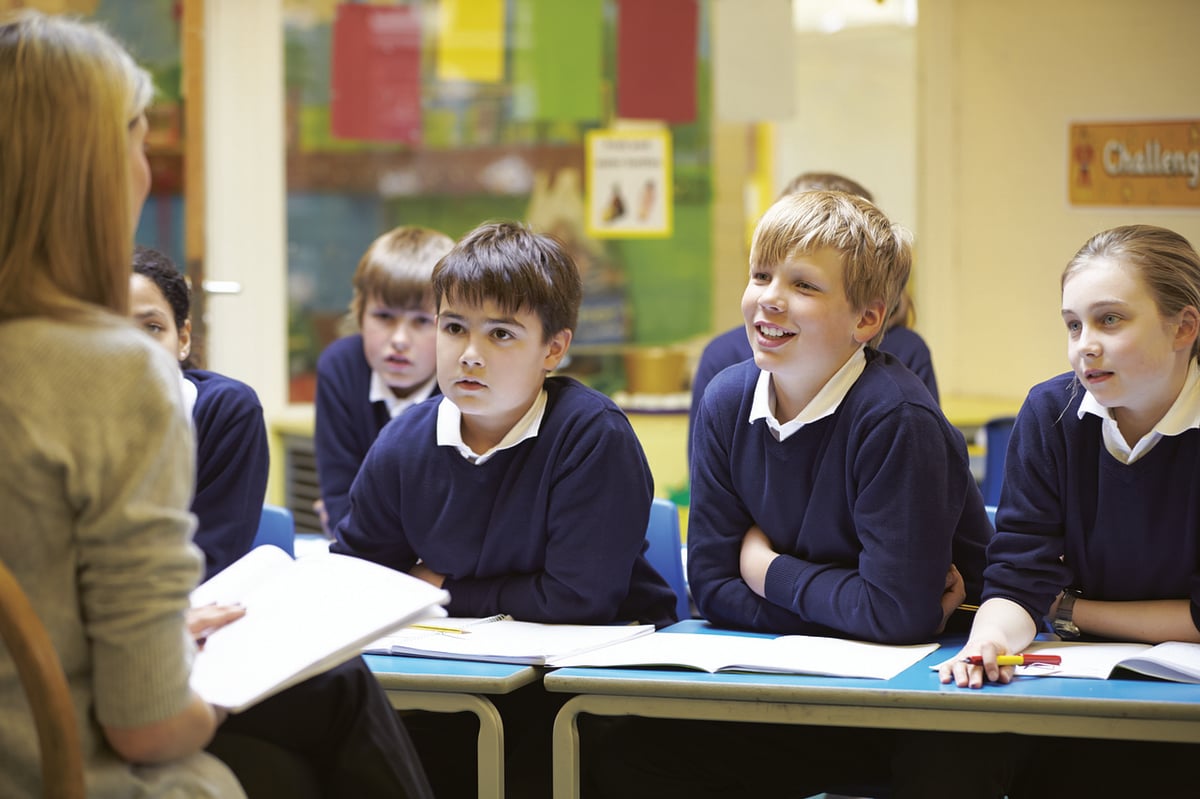
A recent trivia quiz designed to test fifth-grade-level knowledge has sparked lively debate among social media users. As individuals across various platforms take on the challenge, responses have varied widely, revealing surprising gaps in basic knowledge.
The quiz, which is gaining traction online, consists of questions that many would expect a fifth grader to answer with ease. However, participants are finding themselves stumped by some of the queries. This has led to a mix of amusement and concern, as many are questioning the educational benchmarks of younger generations.
Engagement and Responses
The challenge has encouraged users to share their scores, with many boasting about their ability to answer all questions correctly. Yet, others have openly admitted to struggling with the quiz, prompting discussions about educational standards and knowledge retention.
For instance, one question asks participants to identify the capital of a well-known country, a task that seems basic yet has left some participants puzzled. This reaction reflects a broader concern regarding how much foundational knowledge is retained as individuals progress through their education.
Some social media influencers have joined in on the fun, creating videos that showcase their attempts at the quiz. These posts often highlight the disparity in knowledge among users, leading to humorous yet critical commentary on educational systems.
Broader Implications
The popularity of this trivia quiz underscores a significant theme in contemporary discussions about education. Many educators and parents are examining the effectiveness of current teaching methods and the impact of digital distractions on learning.
According to a report from the World Bank, significant educational gaps exist globally, with many students not achieving expected literacy and numeracy levels. This quiz serves as a microcosm of those broader issues, illustrating how a simple test can provoke deeper conversations about educational equity and effectiveness.
As engagement with the quiz continues to rise, it raises an important question: What does it mean to be educated in today’s world? While the quiz is intended for fun, it inadvertently highlights the need for ongoing discussions about the state of education and the knowledge base of future generations.
In conclusion, this fifth-grade trivia challenge has not only entertained but also prompted critical reflections on educational standards. As more individuals participate, the conversations surrounding knowledge retention and educational effectiveness are likely to grow, making this quiz more than just a test of trivia; it is a catalyst for dialogue about the future of learning.