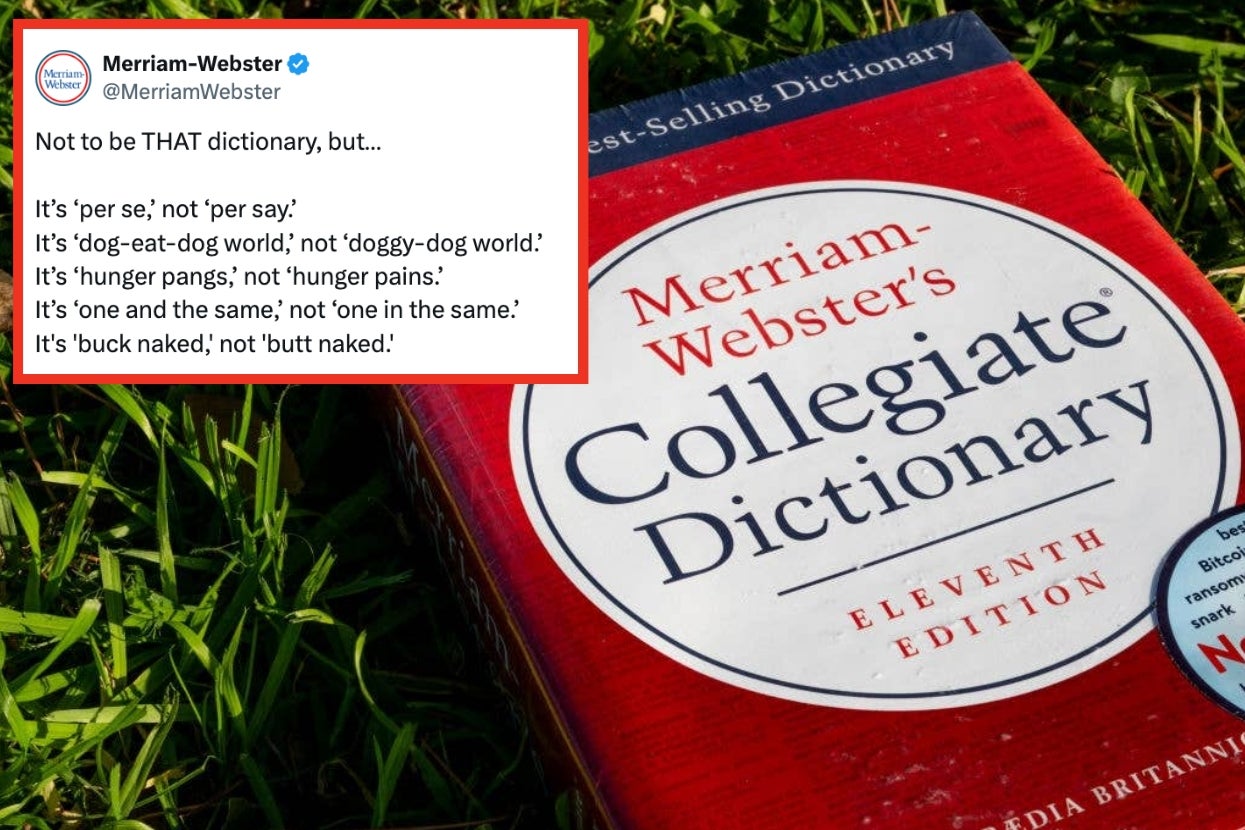
Language evolves continuously, reflecting cultural shifts and emerging trends. In 2025, numerous new words and phrases gained prominence, capturing societal changes and the influence of technology on communication. According to **Merriam-Webster**, these linguistic innovations offer insights into how language adapts to the needs of modern society.
Among the most notable additions are words that encapsulate the digital experience. Terms like “**doomscrolling**,” which describes the act of continuously reading negative news online, became prevalent as social media platforms faced scrutiny for their role in shaping public perception. This phenomenon illustrates the impact of constant connectivity on mental health, a topic that gained significant attention in 2025.
Another word that made waves was “**flexitarian**,” referring to individuals who primarily follow a vegetarian diet but occasionally eat meat. This term reflects growing awareness of environmental issues and dietary choices. As discussions around climate change intensified, language adapted to accommodate these evolving values.
Words Reflecting Youth Culture
The influence of youth culture on language remained strong in 2025. Phrases like “**ghosting**,” the act of suddenly cutting off communication with someone, became widely used to describe social interactions, particularly in dating. Linguists noted that this reflects a shift in how relationships are formed and maintained in the digital age.
Additionally, the phrase “**cancel culture**” continued to spark debate, highlighting the phenomenon of publicly rejecting individuals or entities for perceived transgressions. This term, rooted in social media dynamics, illustrates how language can capture complex societal issues.
As online communities thrived, new slang emerged to convey specific sentiments. Words such as “**lit**,” meaning exciting or excellent, and “**salty**,” indicating bitterness or annoyance, became staples of everyday conversations. These terms appeared frequently in social media posts, demonstrating the influence of platforms on language evolution.
The Role of Global Communication
The global landscape of communication also played a crucial role in shaping language trends. As cultures intermingled, hybrid words surfaced, blending elements from various languages. For example, “**Franglais,” a mix of French and English, became popular among bilingual speakers, illustrating how globalization influences linguistic practices.
According to a report by the **Oxford English Dictionary**, these and other linguistic innovations reflect broader societal changes. The dictionary noted that language is not static; rather, it evolves to mirror the realities of its speakers. The incorporation of new terms illustrates the dynamic nature of communication in a rapidly changing world.
In 2025, language not only served as a means of expression but also acted as a lens through which to view societal shifts. The new words and phrases that emerged reflect the complexities of modern life, highlighting the interplay between culture, technology, and communication. As society continues to evolve, so too will the words we use, ensuring that language remains a vibrant and ever-changing aspect of human interaction.