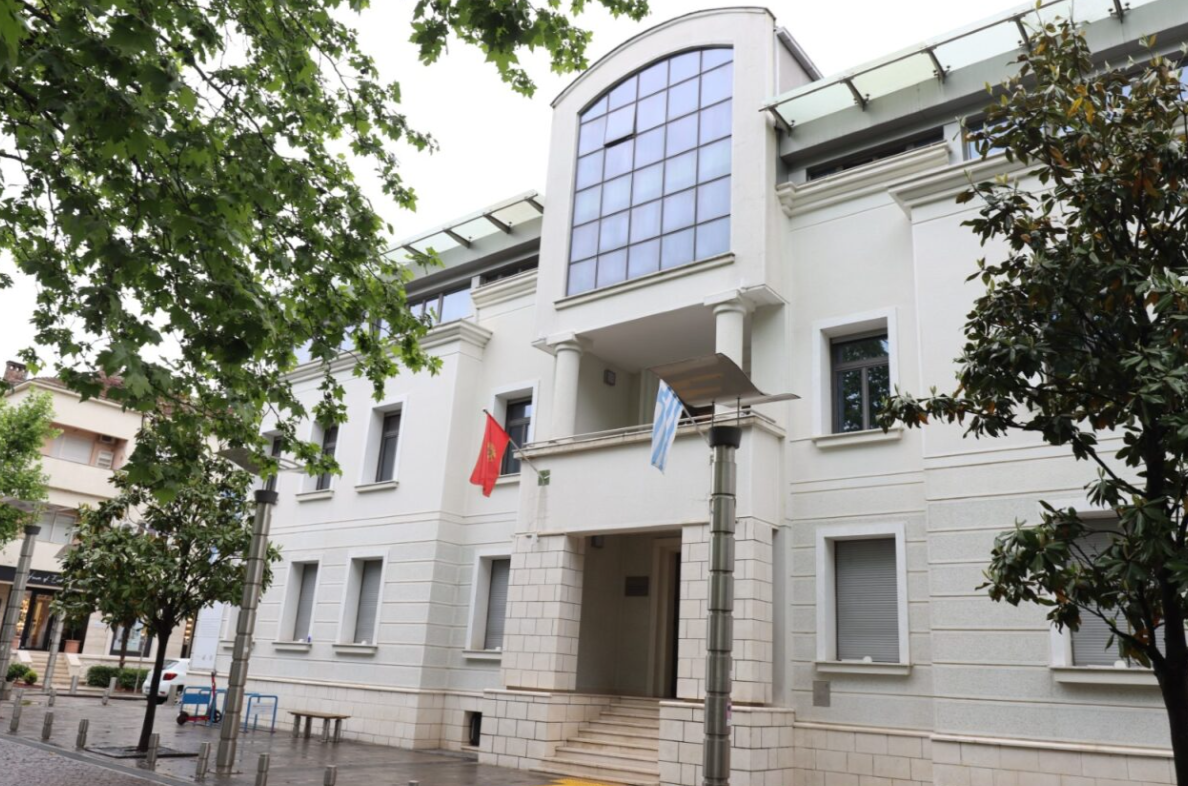
The Narodna biblioteka “Radosav Ljumović” in Montenegro has declined to publish an expanded edition of the book “Gradonačelnici” by journalist and publicist Danilo Burzan, citing a refusal to print in the jotovana variant of the Montenegrin language. This decision has sparked outrage from Burzan, who expressed his disappointment and concern over the implications for freedom of expression in the country.
Burzan, who has previously published five books through the library using the jotovana variant, described the library’s stance as “scandalous.” He stated, “After the five books that the Narodna biblioteka ‘Radosav Ljumović’ published, I am more than surprised, even offended and humiliated.” He emphasized that both variants of the Montenegrin language are legally equal and challenged the library’s refusal based on personal preferences.
In early November, Burzan formally approached Slavica Ilinčić, the library’s director, with a proposal to publish the new edition, which includes updated biographies of current municipal leaders. He noted that the library had previously supported his work and expected similar cooperation this time. During a meeting to discuss the project’s details, the conversation initially seemed promising. However, Ilinčić later informed him that the book could not be published in the jotovana variant and would require “redrafting” to align with the library’s publishing policy.
Burzan rejected this condition, arguing that it would compromise his identity as an author and undermine his previous works. He reached out to the mayor of Podgorica to clarify whether the library’s decision reflected official city policy. In a follow-up email, he requested a brief meeting to discuss the situation, but the mayor was unavailable. Instead, he met with the mayor’s advisor, Slavko Matković, who conveyed that the library’s director had support from the mayor in her decision-making.
According to Matković, the library operates autonomously and adheres to established standards and publishing practices. He stated, “The main city and the mayor do not interfere in the professional and editorial decisions of cultural institutions.” Burzan found this response even more disheartening, interpreting it as an endorsement of the library’s decision to deny publication based on political considerations rather than artistic merit.
The controversy raises broader questions about the use of public funds in cultural institutions and the potential influence of political preferences on artistic expression. Burzan concluded that the library’s actions signify a troubling trend of utilizing public resources only for projects deemed politically acceptable by the current administration.
As of now, the city authorities have not issued a public response to the matter. Slavica Ilinčić has maintained that the library’s publishing policy is grounded in legal regulations and professional standards. She stated, “The business policy of the library is based on applicable regulations in all areas of work,” reinforcing the institution’s commitment to its established practices.
The unfolding situation continues to be a focal point of discussion regarding language, identity, and the role of public institutions in Montenegro.