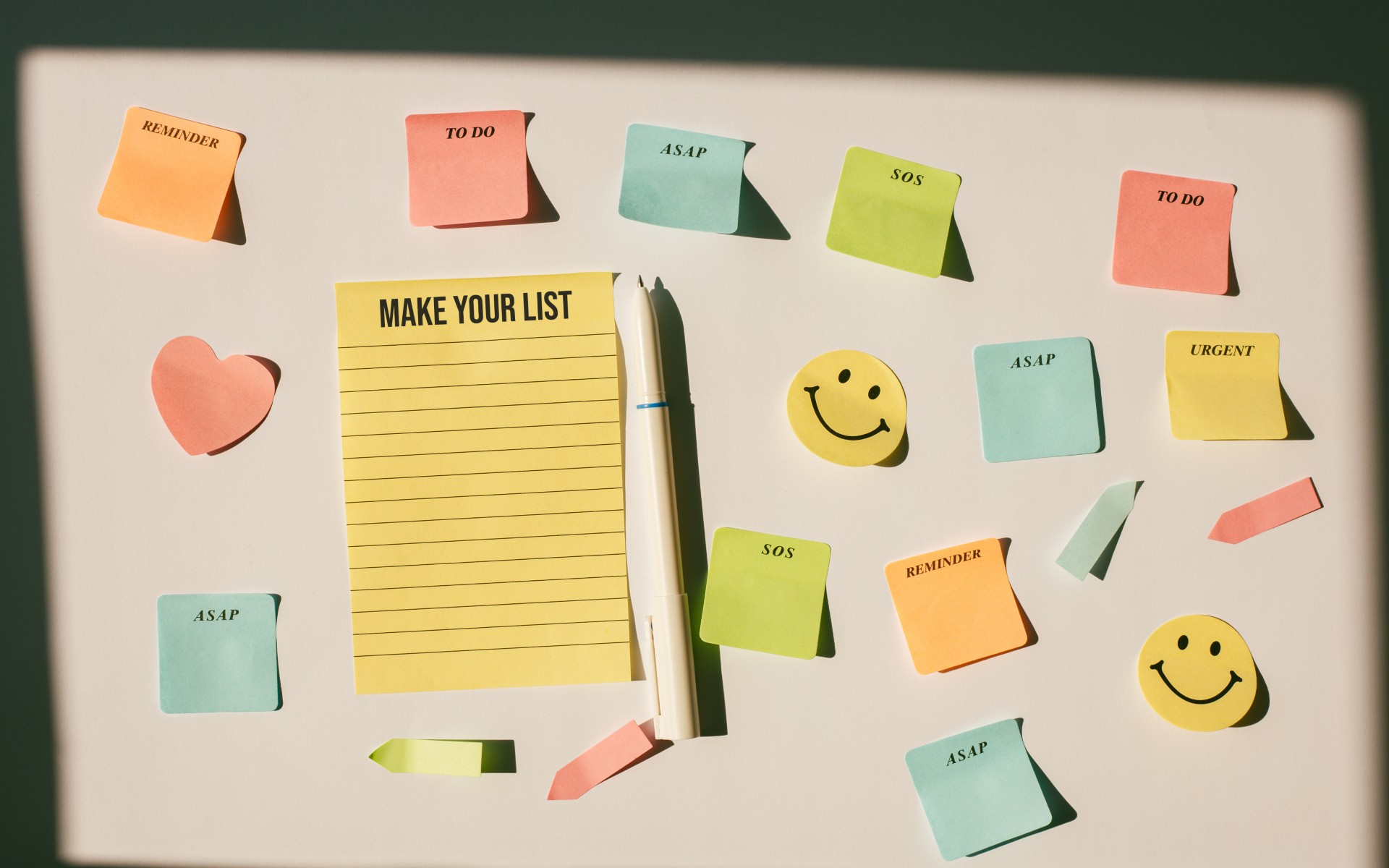
Many individuals find themselves overwhelmed by mundane tasks like responding to emails, scheduling appointments, and managing bills. These responsibilities can accumulate into a daunting to-do list, making it challenging to stay organized. To combat this monotony, a trending concept on social media, specifically TikTok, is encouraging friends to turn these chores into a social affair by hosting an “admin night.”
What is an Admin Night?
The idea of an admin night originated from writer Chris Colin, who shared his experience in an article for The Wall Street Journal. Colin describes this gathering as a “nerdy little party” aimed at tackling the administrative tasks that adults often neglect. The goal is to support each other in completing these chores while transforming a tedious experience into an enjoyable evening.
This trend has gained traction among users on TikTok, who have begun documenting their own admin nights, highlighting how they make the process of completing necessary but unexciting tasks more engaging. According to Mashable, this trend is becoming one of the most relatable social activities of 2026, reflecting a collective need for a structured yet communal approach to managing the invisible burdens of adulthood.
Why Now? The Timing of the Trend
The rise of admin nights is not coincidental. The current cultural climate is characterized by financial anxiety and burnout, leading many to reconsider what socializing looks like. In 2026, informal gatherings have increasingly replaced traditional nights out as the preferred way to connect. Inflation and post-burnout fatigue have prompted a shift toward more affordable, intentional, and quieter social interactions. Admin nights fit seamlessly into this evolving landscape.
Videos showcasing admin nights on platforms like TikTok emphasize a cozy, relaxed atmosphere, often featuring candles, comfortable seating, and beverages like wine or tea instead of energy drinks. This aesthetic reflects a broader rejection of the “grind culture” that prioritizes individual discipline over shared responsibility. Colin notes that recent years have seen a growing frustration with the increasing complexity of simple tasks, such as needing to navigate multiple websites for what used to be a phone call.
Additionally, admin nights leverage a psychological mechanism known as “body doubling.” This concept, often used by individuals with ADHD, involves completing tasks alongside others to enhance focus and reduce avoidance. The presence of friends provides accountability, lowering the emotional barrier to starting these tasks and reminding participants that they are not alone in their responsibilities.
The trend also serves as a reminder of the bureaucratic challenges faced by many. As Colin articulates, people have become accustomed to dealing with unhelpful customer service chatbots and inefficient online processes, making the idea of gathering to tackle these issues together all the more appealing.
Ultimately, admin nights provide a refreshing, bipartisan solution to a common struggle. Whether responding to emails or disputing charges, participants find solidarity in addressing the mundane aspects of life. By fostering a sense of community around these tasks, admin nights not only make them more manageable but also transform them into social bonding experiences.
As the trend continues to flourish, it encourages a cultural shift towards more humane interactions with work and chores, where shared responsibility and support take precedence over isolation and grind.