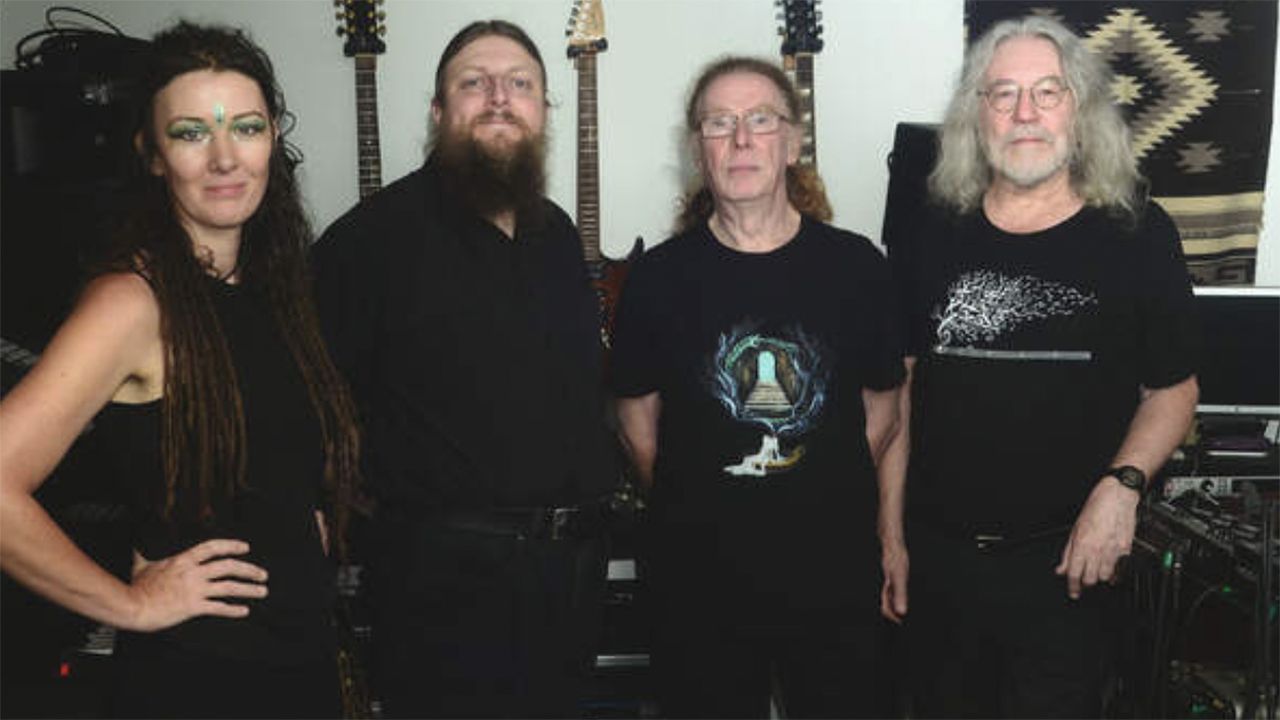
After five albums, the progressive band The Emerald Dawn has decided to confront the climate crisis directly with their sixth album, The Land, The Sea, The Air. Band members Ally Carter and Tree Stewart shared insights into the creative process behind this ambitious two-part project, emphasizing a newfound commitment to environmental themes.
Formed in 2010, The Emerald Dawn has built a dedicated following, bolstered by recent performances, including a notable appearance at the A New Day festival. Their latest project showcases a significant shift in focus, as Carter explained: “I’ve wanted to do this album for quite a while. The rest of the band kept putting it further back on the list, until finally I said, ‘No. We’ve got to do it now.’”
This urgency is reflected in their music. Stewart noted that current global events, including the rollback of environmental legislation in the United States and widespread wildfires, have made this message more pressing. “We felt that now is the time because of what’s been going on in the last year,” she stated.
The first volume of The Land, The Sea, The Air consists of four tracks, predominantly instrumental, showcasing stylistic experimentation. The album opens with “Dancing With The Spirit,” a piece rooted in fusion that highlights the talents of their rhythm section, featuring bassist Dave Greenaway and drummer Tom Jackson. Stewart acknowledged the challenge of adapting to this new style but expressed excitement about the outcome, stating, “I’m chuffed with that, actually. It’s a really new thing for me.”
The album’s standout track, “Under Changing Skies,” spans nearly 17 minutes and features lyrics designed to engage listeners with the realities of climate change. The riff, written by Stewart, was inspired by playful criticism from her bandmates about her compositional style. “I thought, ‘Right, you blighters, I’m going to write something hard-edged that you’re actually going to like!’”
Incorporating new instruments such as the HandSonic digital percussion device, Stewart enhances the album’s live experience. Carter remarked on the audience’s enthusiastic response, saying, “When that dulcimer section ends, there’s a spontaneous round of applause.”
Exploring New Musical Dimensions
The album also features “While Oceans Die,” a 14-minute exploration of the sea’s various emotions, complete with jazz-inflected saxophone contributions from Carter. He cites influences from Elton Dean of Soft Machine and Norwegian saxophonist Jan Garbarek as significant in shaping his sound.
Another notable section is “An Evening Storm,” which departs from traditional rock to embrace an orchestral style, showcasing the band’s versatility. Carter praised Jackson’s percussive skills, stating, “I love that it sounds like he’s playing timpani,” and acknowledging the challenge of performing such intricate pieces live.
The album concludes with “And We’re Left Wondering Why…,” a conventional yet poignant song with roots in Carter’s past performances at environmental gatherings. “That’s one of the songs I used to sing, although Tree sings it here,” he shared.
Looking ahead, the second volume of the album is set to delve deeper into human impacts on rainforests and rivers. “There’s one track that’s not fully composed, and the rest we could record tomorrow if we wanted,” Carter said, revealing plans for a piece titled “Song Of The Rainforest” and another called “Rivers Of Tears.” The concluding track, “Paradise,” aims to deliver a hopeful message about ecological living.
As The Emerald Dawn embraces the challenge of addressing climate issues through their music, they continue to push creative boundaries, demonstrating that art can be a powerful vehicle for advocacy and change.