A recent visit to the exhibition titled “Van Gogh: The Immersive Experience” in London has drawn criticism for its disappointing presentation and lack of depth. Priced at £25, the exhibition fails to deliver the engaging experience that art enthusiasts expect, leaving many feeling short-changed.
Following the overwhelming success of the original *Avatar* film in 2009, which showcased the potential of 3D technology in cinema, anticipation for immersive art experiences surged. This sentiment was echoed by director James Cameron, who advocated for 3D filmmaking as a means to enhance visual storytelling. Yet, a decade later, the film industry has seen a significant decline in 3D releases, indicating a shift in audience preferences.
Critics like film reviewer Roger Ebert have long argued against the effectiveness of 3D, referring to it as “a waste of a perfectly good dimension.” The same critique may be applied to the immersive exhibition experience, particularly in light of recent analysis by Private Tours England which ranked the London showcase as the second most underwhelming attraction.
Upon arrival at the exhibition, located on Commercial Street in Shoreditch, visitors are met with a nondescript entrance. Inside, a dimly lit corridor leads to an underwhelming ticket-checking experience, raising immediate concerns about the value of the admission fee.
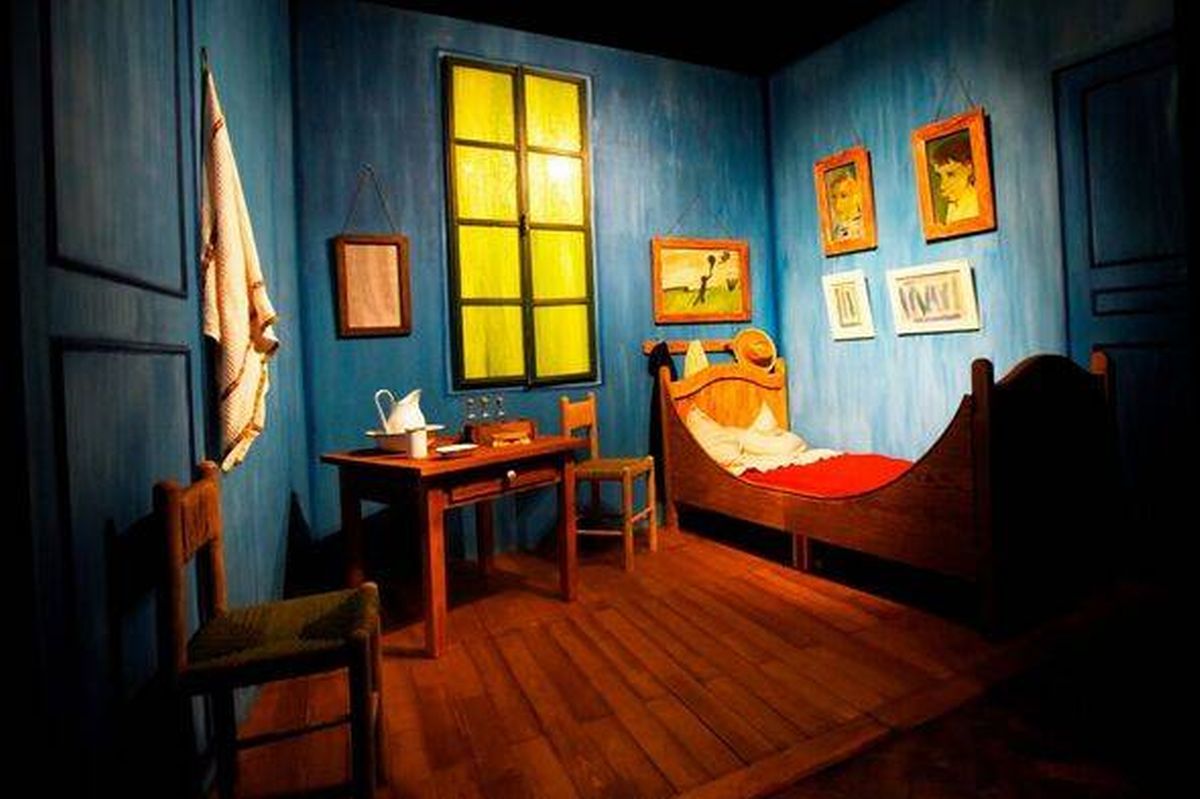
The exhibition is divided into two main areas, neither of which successfully captures the brilliance of Van Gogh’s work. The first room features prints of his paintings alongside brief descriptions of his life, providing little more than what could be found on a Wikipedia page. For those seeking a more authentic experience, visiting original works at the National Gallery, such as *Sunflowers*, would offer greater satisfaction.
The second room, intended to be the highlight, is starkly empty apart from a few deckchairs and a bench. Here, digitally altered projections of Van Gogh’s art cover the walls, but the experience falls flat, lacking the promised immersion. Feedback from visitors has been mixed, with some reporting feelings of nausea after prolonged exposure to the fluctuating visuals.
Exiting the exhibition after just half an hour, I reflected on the tragic narrative of Van Gogh’s life depicted in one of the information panels. The artist’s struggles, including his infamous self-mutilation and eventual suicide, add a layer of complexity to his work that the exhibition fails to convey.
The opportunity to celebrate Van Gogh’s genius is overshadowed by an experience that lacks depth and engagement. It is unfortunate that he did not live to witness the acclaim his work receives today, but perhaps it is a blessing he was spared an evening at this disappointing showcase.
Since its closure in London last autumn, the exhibition has relocated to cities including Belfast, Bristol, York, and Leicester. Fever Up has been contacted for a statement regarding the criticism directed at the exhibition’s quality and visitor experience.