The launch of the Netflix drama *Adolescence* has ignited a global conversation on the challenges facing boys, particularly in relation to toxic masculinity and the influence of the manosphere. The show, which portrays the story of a 13-year-old boy arrested for the murder of a female classmate, has drawn significant attention from government officials and parents alike. British Prime Minister Rishi Sunak described it as a “really hard watch,” while a police force in the UK labelled it a “wake-up call for parents.”
As 2025 unfolds, discussions surrounding boys’ issues have escalated from the fringes of society to the forefront of public discourse. The year began with former England football manager Gareth Southgate warning against “callous, manipulative and toxic influencers” affecting young boys. The Centre for Social Justice released a report titled *Lost Boys*, highlighting the educational and mental health disparities faced by boys, stating they are “being left behind.”
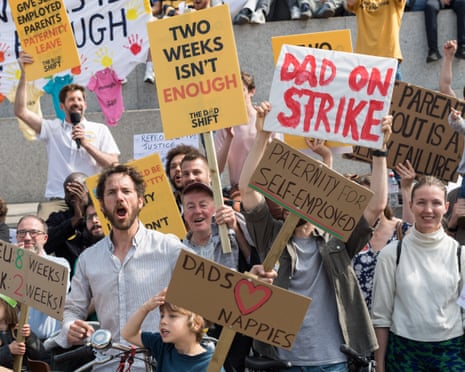
In June, the inaugural “Dad strike” saw fathers convening in London and Edinburgh to protest inadequate paternity leave provisions in the UK. By November, the government introduced England’s first-ever Men’s Health Strategy, which coincided with a new Violence Against Women and Girls strategy aimed at preventing misogynistic behaviour among boys. These developments signify a growing acknowledgment of the complexities surrounding masculinity and its social implications.
Shifting Focus Towards Positive Role Models
While concerns about toxic masculinity and its consequences remain prevalent, there is a push among experts and policymakers to highlight positive male role models. A group of Labour MPs has formed a parliamentary group dedicated to addressing issues faced by men and boys. One member, Natalie Fleet, the MP for Bolsover, utilized her platform during an International Men’s Day debate to celebrate the men in her community, including her husband, whom she described as an “actual hero.” Fleet emphasized the importance of amplifying positive examples of masculinity, stating, “These are men in our communities doing the right thing.”
Despite ongoing discussions about negative masculine influences, figures like Andrew Tate continue to hold sway among young males. A poll conducted earlier this year revealed that one in five UK males aged 16 to 29 who were aware of Tate viewed him positively. In response, organizations such as Movember and Equimundo launched the Young Men and Media Collective in October, funding influencers to promote healthier, more constructive messages regarding masculinity.
According to Amy O’Connor, policy lead at Movember, “Policymakers have woken up to the fact that, particularly online, young men are being harmed and their health is suffering by the content they’re seeing.” O’Connor stressed the importance of providing alternative narratives for young men rather than merely criticizing existing harmful influences.
Balancing Conversations on Gender Challenges
The evolving discourse surrounding boys and masculinity has raised concerns about overshadowing issues faced by women. Joeli Brearley, founder of the campaign group Pregnant Then Screwed, expresses caution about the rising focus on boys’ issues. She noted, “We are having these really fruitful conversations about boys, but I’m also seeing a sea change in the way women talk about their experiences online.” Brearley pointed out the risk of sidelining women’s challenges in the pursuit of addressing boys’ needs.
Meanwhile, the co-founder of The Dad Shift, George Gabriel, recognizes the urgency of tackling traditional masculine ideals while maintaining a hopeful perspective. “The challenge is real. But I think we can acknowledge that while the situation is dire, we can also have some optimism that we are starting to find a path forward,” he stated.
As 2025 progresses, the dialogue surrounding boys and masculinity will likely continue to evolve. The year has already seen significant movements towards understanding the complexities of male identity and the societal influences that shape it. The challenge remains to foster a balanced conversation that recognizes the needs of all genders while promoting healthier, more constructive models of masculinity.