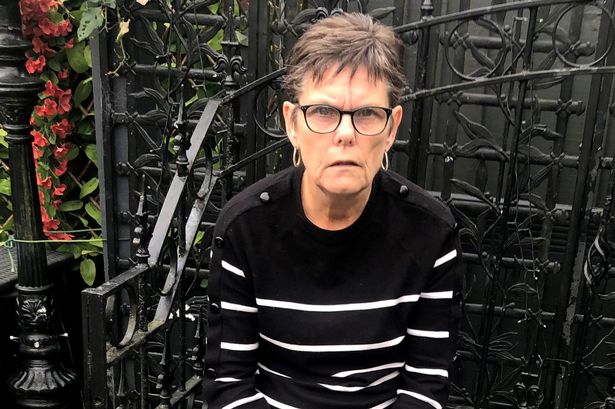
A baker in the UK has voiced her struggle with severe arthritis, which has left her unable to button her shirt, complicating her ability to work. This personal account highlights a broader issue affecting many individuals with chronic health conditions, particularly as the National Health Service (NHS) faces increasing pressure on its Accident & Emergency (A&E) services.
According to the NHS, over 200,000 patients attended A&E during the winter of 2023 for conditions that could have been managed elsewhere. Among these were 96,998 cases of sore throats, a common ailment that often does not require emergency care. This statistic raises questions about the strain on healthcare resources and the impact on patients with more critical needs.
The baker’s situation is not unique. Many individuals suffering from arthritis and other chronic conditions find their daily lives significantly affected. Simple tasks, such as dressing or preparing food, become challenging. The implications extend beyond personal discomfort; they also affect productivity and mental well-being.
The NHS’s data underscores a critical point: the healthcare system is currently experiencing gridlock, primarily due to patients seeking care for non-urgent conditions. This influx can lead to delays for those who genuinely require immediate medical attention, exacerbating existing health issues.
Healthcare professionals are urging patients to carefully assess their need for A&E services. Alternatives, such as consulting a general practitioner or using local pharmacies, are often more appropriate for minor ailments. This approach not only relieves pressure on A&E but also ensures that healthcare workers can focus on critical cases.
As the NHS grapples with these challenges, the experiences of individuals like the baker serve as a poignant reminder of the complexities within the healthcare system. It highlights the urgent need for public awareness regarding health management and the importance of seeking appropriate care for specific health issues.
Moving forward, there is a need for better public education about healthcare resources, ensuring that individuals understand when to seek emergency care and when to explore alternative options for treatment. By doing so, the NHS can better allocate its resources and improve the overall quality of care for all patients.