A groundbreaking lung cancer vaccine is set to enter human clinical trials in the summer of 2026, marking a significant step forward in cancer prevention efforts. Researchers at the University of Oxford are not only focusing on lung cancer but are also developing vaccines targeting breast, ovarian, and bowel cancers. These initiatives could pave the way for a comprehensive anti-cancer jab, available for young people through the NHS during routine visits to their general practitioners.
The potential impact of this vaccine is staggering, with estimates suggesting it could save up to 3.6 million lives globally each year from severe cancers. Additionally, it could free up essential medical resources to address other serious health issues, including dementia and heart disease. The project is supported by various entities, including Cancer Research UK, the Spain-based CRIS Cancer Foundation, and major pharmaceutical companies.
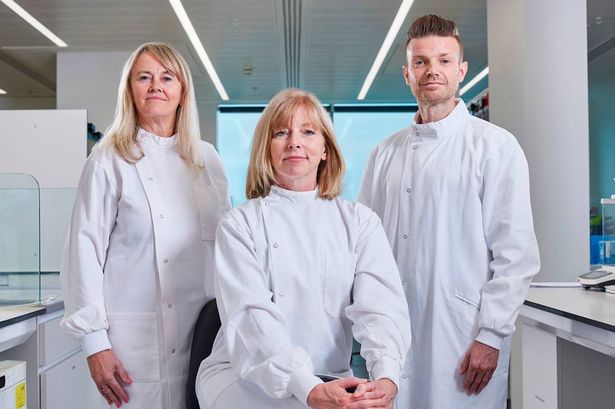
Dr. Sarah Blagden, a clinician-scientist and professor of experimental oncology at the University of Oxford, shared insights into the project’s progress during the Channel 4 documentary series ‘Cancer Detectives: Finding the Cures.’ She expressed optimism that this vaccine could change the landscape of cancer treatment within a decade. Drawing an analogy to routine childhood vaccinations for diseases like measles and whooping cough, she envisions a future where a single jab could significantly reduce the risk of developing major cancers.
The idea for this innovative approach originated from a conversation Dr. Blagden had while listening to a podcast featuring Professor Charles Swanton, the deputy clinical director at The Francis Crick Institute in London. Swanton’s discussions on cancer evolution and treatment resistance inspired Dr. Blagden to consider a preventative strategy rather than focusing solely on treatment.
Utilizing rapid vaccine development techniques honed during the COVID-19 pandemic, her team is preparing to introduce the lung cancer vaccine. Dr. Blagden noted, “What we think we have is the first vaccine that could actually prevent cancer from starting in the first place.” She explained that cancers, including lung cancer, often take over a decade to develop. As such, targeting the early stages of cellular changes that lead to cancer is crucial.
The team aims to create a vaccine that prompts the immune system to eliminate pre-cancerous cells before they can become full-blown cancer. Dr. Blagden emphasized the collaborative nature of their work, stating, “We thought we can use the backbone of the vaccines that we’ve been working on and we can actually repurpose them to design them against cancer rather than COVID.”
Despite initial challenges in securing funding, Dr. Blagden’s team has successfully produced the first batch of the lung cancer vaccine. They are also working on a range of vaccines designed to prevent various cancers. The ultimate goal is to combine these into a single vaccine for widespread distribution, particularly aimed at young people, significantly lowering their cancer risk.
Dr. Blagden highlighted a paradigm shift in cancer research, stating, “Oncologists like myself, we’re very fixed on treating established cancer. We’re not looking underneath the iceberg at the moment.” This project represents a proactive approach to cancer prevention, distinguishing it from existing efforts.
The urgency of their mission is underscored by the team’s remarkable progress and the robust support they have received from scientists, patients, and funding bodies. Dr. Blagden expressed her ambition for the project, saying, “I want us to keep moving fast, fast, fast.”
In her view, the vaccines’ development is driven by a shared commitment to combat cancer, stemming from personal experiences with the disease. “This comes from us wanting to try and get rid of this disease,” she remarked. The team believes they are on the cusp of a major breakthrough, with preliminary data suggesting promising results.
“My message to cancer is, ‘we’re coming for you’,” Dr. Blagden stated, encapsulating the determination of her team and their aspirations for a future where cancer prevention is a reality. As the clinical trials begin, the world will be watching closely, hoping for a new era in cancer treatment and prevention.