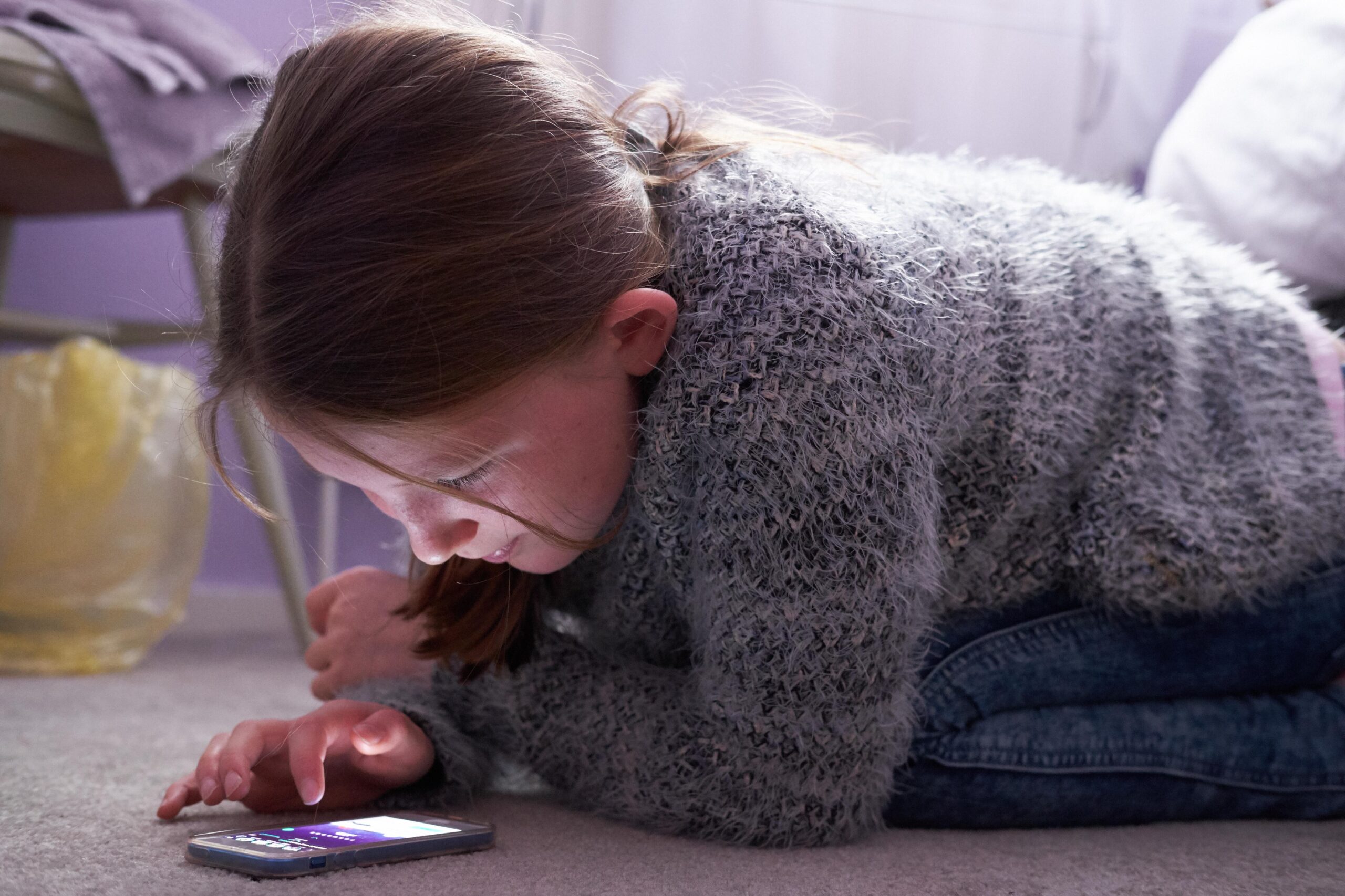
The Children’s Commissioner has called for immediate action to halt the advertising of appearance-changing products on social media aimed at children. In a recent report, Dame Rachel de Souza highlighted that children are being “routinely bombarded” with advertisements for potentially harmful products, including weight loss injections, skin lightening creams, and steroids.
Dame Rachel’s report, titled A healthy influence? Children’s exposure to appearance-changing products online, reveals alarming statistics. More than three-quarters of children, specifically 78%, reported that these advertisements negatively affected their self-esteem. The survey indicated that 41% of children aged 13 to 17 were exposed to prescription-only weight loss drugs, despite a ban on such advertisements.
The findings show a concerning trend: over half of the children surveyed, 54%, had encountered diet and exercise plans, while 52% saw ads for food and drinks that falsely claimed to aid weight loss. The issue is particularly pronounced among minority groups; 46% of Black children and 35% of Asian children reported seeing skin lightening ads, significantly higher than the 24% of White children who encountered similar promotions. Many of these products are illegal in the UK and contain hazardous ingredients.
Additionally, the report highlighted that 66% of children had seen advertisements for teeth whitening products, and over half of girls, 56%, had seen ads for cosmetic procedures like fillers or Botox, which are illegal for those under 18. Alarmingly, 8% of children admitted to purchasing or trying non-prescription weight loss pills, with 21% having bought or tried food or drink marketed for weight loss. Black children were found to be more likely to experiment with these products than their White counterparts.
The consequences of this exposure are troubling. Some children reported adverse reactions from using appearance-changing products, including infections linked to eyelash products containing harmful chemicals. These findings follow a survey conducted by OnePoll in December 2024, which revealed that only 40% of girls and 60% of boys were satisfied with their appearance.
In response to these findings, Dame Rachel is advocating for a ban on all social media advertising targeted at children through amendments to the Online Safety Act. She also calls for updates to Ofcom’s Children’s Code of Practice to better protect children from harmful content that promotes body image issues, alongside stronger regulation and enforcement concerning the online sale of age-restricted products.
Dame Rachel stated, “Childhood is a short and precious time, but it is undeniable that children today are facing pressures like never before, with too many children growing up in an online world that takes advantage of their insecurities and tells them they are not good enough as they are.” She emphasized that the normalization of dangerous appearance-changing products through advertising and influencer culture is immensely damaging to children’s self-esteem.
She further remarked, “Many parts of the online world are not built with children’s best interests at heart. The Government should consider every mechanism available to protect children from harmful content and services.” While she acknowledged that restricting access to social media for children under 16 could be part of the solution, she stressed that it should not be the sole measure taken.
Dame Rachel concluded with a call for urgent reform: “We cannot continue to accept an online world that profits from children’s insecurities and constantly tells them they need to change or must be better.” The need for systemic change is pressing to create a safer online environment for children, ensuring that their developing self-esteem is not compromised by harmful advertising practices.