As the festive season approaches, health experts are raising concerns about popular Christmas dinner staples, particularly those containing processed meats and alcohol. According to recent research, both of these items have been linked to increased risks of cancer and heart disease, prompting discussions about their consumption during holiday celebrations.
Processed Meats and Cancer Risk
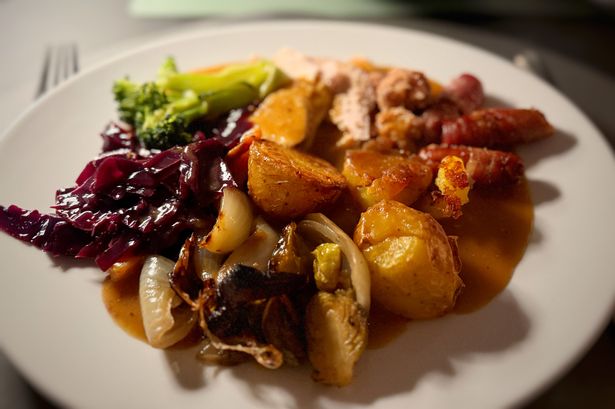
Two food categories have been firmly established as carcinogenic: processed meats and alcohol. Processed meats, which include bacon and sausages commonly found in festive dishes like pigs in blankets, fall under this classification. The World Health Organization (WHO) designates these items as Group 1 carcinogens, meaning there is convincing evidence that they cause cancer in humans.
The connection between processed meats and cancer stems from chemicals used in their production. According to Cancer Research UK, nitrates and nitrites are added to enhance flavor and preservation. When consumed, these compounds can convert into harmful N-nitroso chemicals (NOCs) that damage the cells lining the bowel, potentially leading to bowel cancer. The organization asserts, “We know for definite that processed meat is a cause of cancer,” emphasizing the certainty of this link, much like that with tobacco and alcohol.
Research has identified three chemicals associated with an increased risk of bowel cancer linked to meat consumption: haem, naturally found in red meat; nitrates and nitrites from processing; and heterocyclic amines (HCAs) and polycyclic amines (PCAs), which form when meat is cooked at high temperatures. Accumulation of damage from these chemicals over time raises the likelihood of cancer development.
Alcohol and Its Health Implications
Alongside processed meats, alcohol consumption presents additional health risks. In a report by Vivek Murthy, former surgeon general of the US Public Health Service, he warns that alcohol has been directly linked to at least seven types of cancers. Murthy highlights that there is no safe level of alcohol consumption; even light drinking increases cancer risk. The WHO supports this, noting that the risk of developing cancer rises significantly with higher alcohol intake.
Data indicates that half of all alcohol-attributable cancers arise from light to moderate consumption, defined as less than 1.5 liters of wine or 450 milliliters of spirits per week. The WHO emphasizes that the consumption of any alcoholic beverage carries risk.
In addition to cancer, alcohol consumption is also associated with heart disease. A comprehensive study from the University of Oxford found that each additional 50 grams of processed meat consumed per day raises the risk of coronary heart disease by 18%. This form of heart disease claims nearly nine million lives annually across the globe, marking it as the leading cause of death from disease.
As families prepare for Christmas Day on December 25, 2023, the implications of these findings may lead some to reconsider their holiday menus. While enjoying traditional meals, it is crucial to be aware of the health risks associated with certain festive favorites.
The data presented by health organizations serve as a reminder that moderation is key. While indulging in seasonal treats can be part of the celebration, maintaining an awareness of their potential health impacts is essential for long-term well-being.