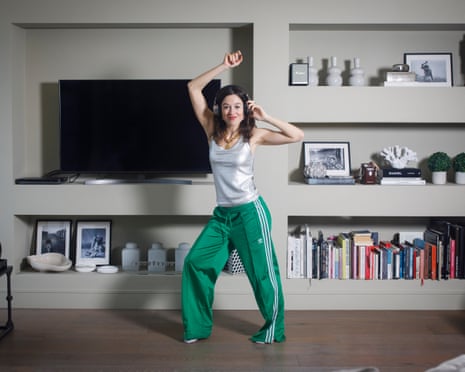
In a surprising turn of events, a woman discovered that dancing at home can effectively alleviate anxiety. After a tense conversation with an ex-partner left her feeling jittery and anxious, she turned to an unexpected source of comfort: music and movement.
Initially overwhelmed by symptoms like a racing heart and trembling fingers, she sought a distraction in her flat. Instead of opting for less healthy choices, such as sugary snacks or cigarettes, she tuned into BBC Radio 6 Music. The station played a disco track that ignited her spirit and prompted her to dance.
Finding Relief Through Movement
Despite lacking formal dance skills—her friends often tease her about her moves—she found joy in the act of dancing. As the music played on, her anxiety began to dissipate. By the third song, she was smiling, feeling more like herself again. This unexpected practice transformed her anxious energy into movement, allowing her to channel her feelings into a liberating experience.
For her, anxiety often manifests as an excess of energy, triggered by various stressors from everyday life, such as misunderstandings with friends or work-related emails. Traditional methods for managing stress, like exercise, are not always feasible, particularly if she has already worked out that day. However, dancing remains an accessible outlet.
Dancing has become a personal tool for managing anxiety, with the upbeat rhythms fueling her movement. Each awkward dance step, far from being a source of embarrassment, brings laughter and a sense of release. “The worse it is, the better,” she notes, as humor helps her confront her anxiety.
The Influence of Popular Culture
Her affinity for dancing as a coping mechanism may be linked to the popular television series Grey’s Anatomy. The show features a recurring theme where characters Meredith Grey and Cristina Yang dance during tough times, reinforcing the idea that movement can be a form of emotional expression.
To maximize the calming effects of her impromptu dance sessions, she adheres to specific guidelines. The song must be unfamiliar, preventing any emotional associations that could hinder her relaxation. The practice is ideally performed alone, ensuring she can fully immerse herself in the experience without outside distractions.
Whether at home or even on public transport, where she occasionally breaks into dance, this unique strategy has reshaped her approach to anxiety. She believes that learning to manage these feelings through movement is a powerful tool, leading to improved emotional well-being. “Whenever those anxious feelings arise, I know how to handle them,” she explains, emphasizing the importance of finding joy in unexpected places.
As more people seek healthy coping mechanisms for anxiety, her story serves as a reminder that simple solutions, like dancing, can provide significant emotional relief. If you happen to see someone dancing awkwardly in a public space, take a moment to appreciate their journey—after all, they might just be dancing it out.