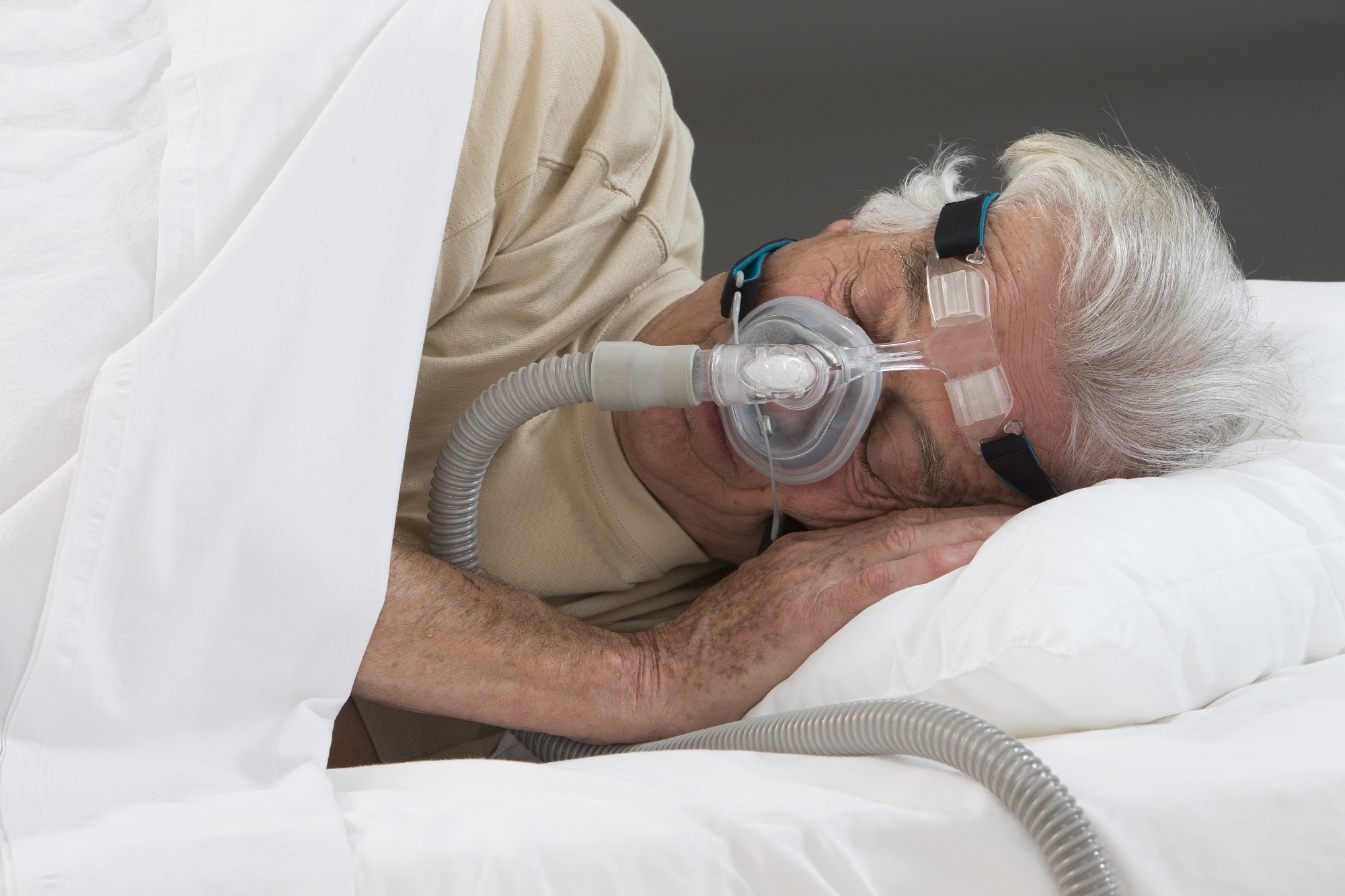
A comprehensive study involving over 11 million U.S. veterans indicates that early treatment of obstructive sleep apnea (OSA) with continuous positive airway pressure (CPAP) may significantly reduce the risk of developing Parkinson’s disease. The findings, published in JAMA Neurology, suggest that addressing OSA early on could have profound neuroprotective effects.
Understanding the Link Between OSA and Parkinson’s Disease
Researchers have established that OSA, a condition characterized by temporary interruptions in breathing during sleep, can heighten the risk of cognitive dysfunction and neurodegenerative diseases. The prevalence of Parkinson’s disease has been rising globally, driven in part by an aging population and changes in lifestyle. OSA leads to chronic brain hypoxia, which has been linked to mitochondrial dysfunction—an essential factor in the pathogenesis of Parkinson’s disease.
The current study aimed to clarify the relationship between OSA and Parkinson’s disease risk among U.S. veterans, analyzing electronic health records over a mean follow-up period of five years. Approximately 14% of participants were diagnosed with OSA, while 9% of these individuals utilized CPAP therapy, the recommended treatment for those experiencing symptoms.
Key Findings from the Research
The data revealed that veterans diagnosed with OSA experienced an increase of 1.6 additional cases of Parkinson’s disease per 1,000 individuals after six years compared to veterans without OSA. This association remained significant even after adjusting for confounding factors such as body mass index (BMI), vascular comorbidities, and psychiatric conditions. Notably, the risk was found to be higher in female veterans than in their male counterparts.
Crucially, veterans who began CPAP therapy within two years of their OSA diagnosis were at a substantially lower risk of developing Parkinson’s disease. The study suggests that treating 439 patients immediately after diagnosis could potentially prevent one case of Parkinson’s disease within a five-year timeframe.
While the protective effects of CPAP were significant for male veterans, the same was not observed for female veterans. This discrepancy invites further investigation into gender differences in the pathophysiology of OSA and its long-term health implications.
The research team accounted for a range of healthcare variables which could influence the observed relationship, such as the frequency of outpatient visits and adherence to CPAP therapy. This careful consideration bolsters the reliability of the findings.
The study also highlighted the potential benefits of surgical interventions for patients with OSA who do not respond well to CPAP therapy, indicating these could further diminish the risk of Parkinson’s disease.
Despite the robust nature of the findings, the study’s focus on veterans may limit the generalizability of the results to the broader population. However, this cohort’s higher prevalence of OSA compared to the general public enhances the study’s sensitivity.
Further research is necessary to explore how physical, cognitive, and social factors affect adherence to CPAP therapy, as these may be mediators of the benefits observed in this study. Understanding the causative mechanisms behind these associations is essential for developing targeted interventions.
As the global burden of Parkinson’s disease continues to grow, these findings underscore the importance of early intervention for OSA, not only to improve sleep quality but also to potentially reduce the risk of debilitating neurological disorders.