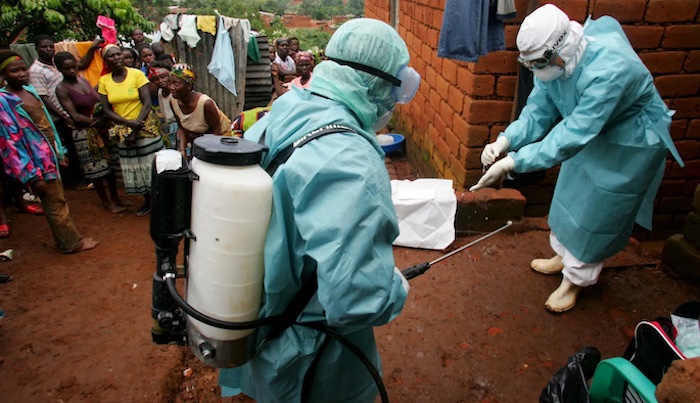
Ethiopia has confirmed an outbreak of the deadly Marburg virus, with at least nine cases reported in the southern region of Jinka. This announcement was made on Saturday by the Africa Centres for Disease Control and Prevention (Africa CDC), following a significant alert about a suspected haemorrhagic virus in the area. The Marburg virus is known for its high fatality rate, which can range from 25% to 80%, and symptoms that include severe bleeding, fever, vomiting, and diarrhoea.
The Director-General of the World Health Organisation (WHO), Tedros Adhanom Ghebreyesus, confirmed the findings on Friday. The confirmation came shortly after the National Reference Laboratory in Ethiopia completed testing. According to Africa CDC, the strain identified shares similarities with previous outbreaks in East Africa, prompting urgent epidemiological investigations and laboratory analyses.
Africa CDC noted that Ethiopian health authorities responded swiftly to contain the outbreak. Their actions aim to mitigate the risk of the virus spreading to other regions in East Africa. The organization has pledged to collaborate with Ethiopian officials to ensure an effective response.
Previous Outbreaks in the Region
The Marburg virus, closely related to the Ebola virus, is notorious for its severe symptoms and high transmission rates. An outbreak earlier this year in Tanzania resulted in the deaths of 10 people before being contained. Additionally, Rwanda reported its first Marburg outbreak in December 2022, which resulted in 15 deaths but was subsequently controlled.
Currently, there is no approved vaccine or antiviral treatment specifically for the Marburg virus. Medical strategies focus on rehydration—both orally and intravenously—and symptomatic treatment to enhance survival rates. In an effort to combat the virus, Rwanda previously tested an experimental vaccine developed by the US-based Sabin Vaccine Institute.
As the situation develops, health authorities are on high alert. The priority remains to identify contacts of confirmed cases and provide necessary care to mitigate the impact of this outbreak. With no existing treatment protocols, public health officials emphasize the importance of community awareness and preventive measures to control the spread of the virus.