Kirin Holdings has announced a new focus on cellular senescence as part of its research and development efforts. This revelation came during the company’s annual R&D Day held in October 2023. While primarily recognized for its beer production, Kirin has also established a significant presence in the pharmaceutical and health science sectors, with its immune support product, Lactococcus lactis strain Plasma, widely noted.
During a roundtable discussion titled “Aging Care Research and Its Implementation in Society,” Kirin addressed critical topics related to aging, including the 14 Hallmarks of Aging and the XPRIZE competition. The company aims to combat both cellular senescence and chronic inflammation, identifying Agrimonia pilosa—a perennial plant known for its traditional medicinal uses—as a key candidate for this initiative.
Exploring Agrimonia pilosa
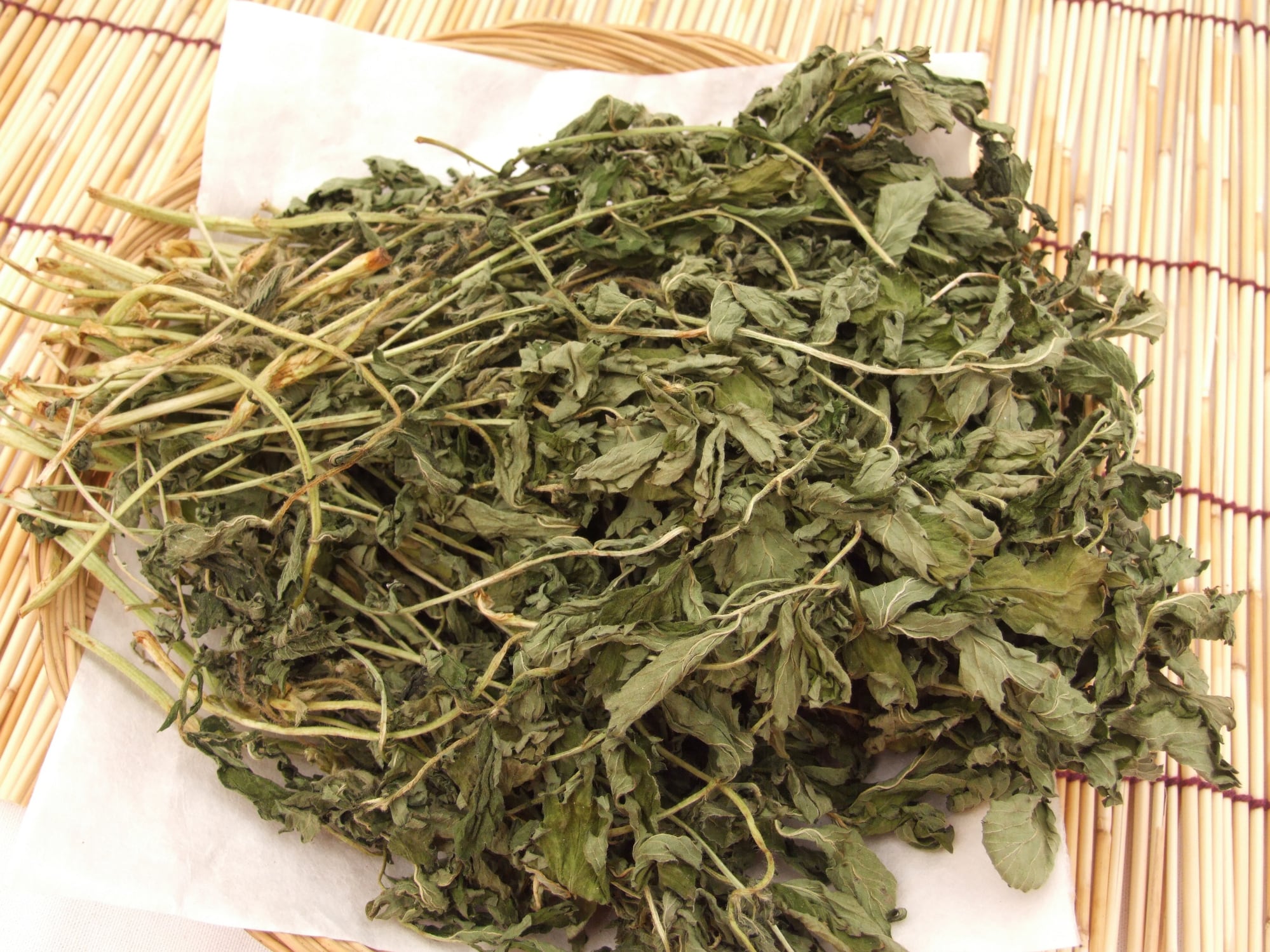
Known in Japan as “Kinmizuhiki,” Agrimonia pilosa was chosen from approximately 4,000 materials for its potential benefits in supporting brain function. Kirin first discovered the plant’s ability to eliminate senescent cells in 2020. Its subsidiary, FANCL Corporation, has since developed a Food with Function Claim (FFC) product containing this extract, marketed as Wellage Premium, which launched in April 2023.
Kirin is seeking to expand the product’s claims to include anti-aging benefits. Yet, the company acknowledges that its success in this area hinges on developing a reliable method to measure senescent cells within the body. “This year, we’re still working on finding what else we can expect for anti-aging,” the company stated. “We have not yet developed the methodology to measure senescent cells.”
Research Findings and Future Directions
Recent clinical trials exploring the effects of Agrimonia pilosa have yielded promising, though complex, results. A study involving 110 middle-aged Japanese participants indicated that supplementation with Agrimonia pilosa Ledeb. extract could reduce the presence of senescent immune cells. Preliminary findings, published in the journal Nutrients in February 2023, revealed that participants aged between 40 and 59 were screened for immunosenescence and randomly assigned to receive either the extract or a placebo over an eight-week period.
The study’s primary endpoint assessed changes in high-SA-βGal CD8+ T cells, a type of senescent immune cell. While the overall proportion of these cells decreased in both the intervention and placebo groups, subgroup analysis showed that men receiving the extract experienced a significantly lower count of these cells compared to their placebo counterparts. Conversely, no significant difference was noted among female participants between the two groups.
Researchers suggested that the increased presence of naïve CD8+ T cells in men who took the extract may be linked to the elimination of senescent effector memory CD8+ T cells. They hypothesized that hormonal differences, particularly the influence of estrogen, could explain the lack of similar results in women, given its role in T cell differentiation and activation.
In addition to Agrimonia pilosa, Kirin has identified an extract of Aspergillus containing 14-dehydroergosterol (14-DHE) as another potential component in its fight against aging, specifically targeting chronic inflammation. This ingredient has shown benefits for skin health, with a study published in March 2018 in Clinical, Cosmetic and Investigational Dermatology demonstrating its effectiveness in improving skin moisture over a 12-week period involving 70 women.
As Kirin pursues these innovative avenues in aging research, the company remains committed to expanding its product offerings while navigating the challenges of scientific validation and consumer expectations.