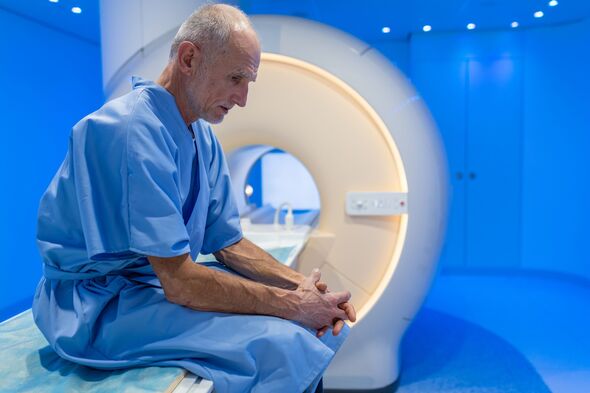
Recent research conducted by scientists at the Technical University of Munich (TUM) and the Friedrich-Alexander-University Erlangen-Nuremberg (FAU) has revealed that functional MRI (fMRI) signals may not accurately represent true brain activity. The study found that an increased fMRI signal is often associated with reduced brain activity in approximately 40 percent of cases, challenging the long-held belief that increased brain activity correlates with increased blood flow.
Dr. Samira Epp, the study’s first author, emphasized the implications of these findings for the interpretation of numerous fMRI studies conducted globally. “Since tens of thousands of fMRI studies worldwide are based on this assumption, our results could lead to opposite interpretations in many of them,” she stated.
Methodology and Key Findings
The research involved over 40 healthy participants who were subjected to various experimental tasks, including mental arithmetic and autobiographical memory recall. These tasks are known to elicit predictable changes in fMRI signals across different brain regions. During these experiments, the researchers employed a novel quantitative MRI technique to simultaneously measure actual oxygen consumption in the brain.
The results revealed significant variability in physiological responses based on the task and brain region. For instance, areas involved in calculations exhibited increased oxygen consumption without the expected rise in blood flow. Instead, the quantitative analyses indicated that these regions were able to meet their additional energy demands by extracting more oxygen from a relatively constant blood supply, thereby using the available oxygen more efficiently without requiring increased perfusion.
Implications for Understanding Brain Disorders
According to PD Dr. Valentin Riedl, now a professor at FAU, these insights hold important implications for interpreting research findings related to various brain disorders. “Many fMRI studies on psychiatric or neurological diseases – from depression to Alzheimer’s – interpret changes in blood flow as a reliable signal of neuronal under- or over-activation,” he explained. Riedl noted that given the limited validity of these measurements, a reassessment is necessary. This is especially important for patient groups with vascular changes due to aging or vascular diseases, as the measured fMRI values might primarily reflect vascular differences rather than true neuronal deficits.
Previous animal studies have hinted at similar conclusions, reinforcing the necessity for a shift in how brain activity is interpreted through fMRI technology. The researchers advocate for complementing conventional fMRI approaches with quantitative measurements, which could enhance the understanding of brain function.
The long-term goal is to develop energy-based brain models that display values indicating actual oxygen consumption for information processing. This new methodology could transform the analysis of aging, psychiatric, or neurodegenerative diseases by focusing on absolute changes in energy metabolism, leading to a more accurate understanding of these conditions.
The findings of this study are detailed in the journal Nature Neuroscience in March 2025, under the title “BOLD signal changes can oppose oxygen metabolism across the human cortex.” This research not only challenges existing paradigms but also opens new avenues for exploring the complexities of brain function and disorders.
For further reading, the study can be accessed at: Nature Neuroscience.