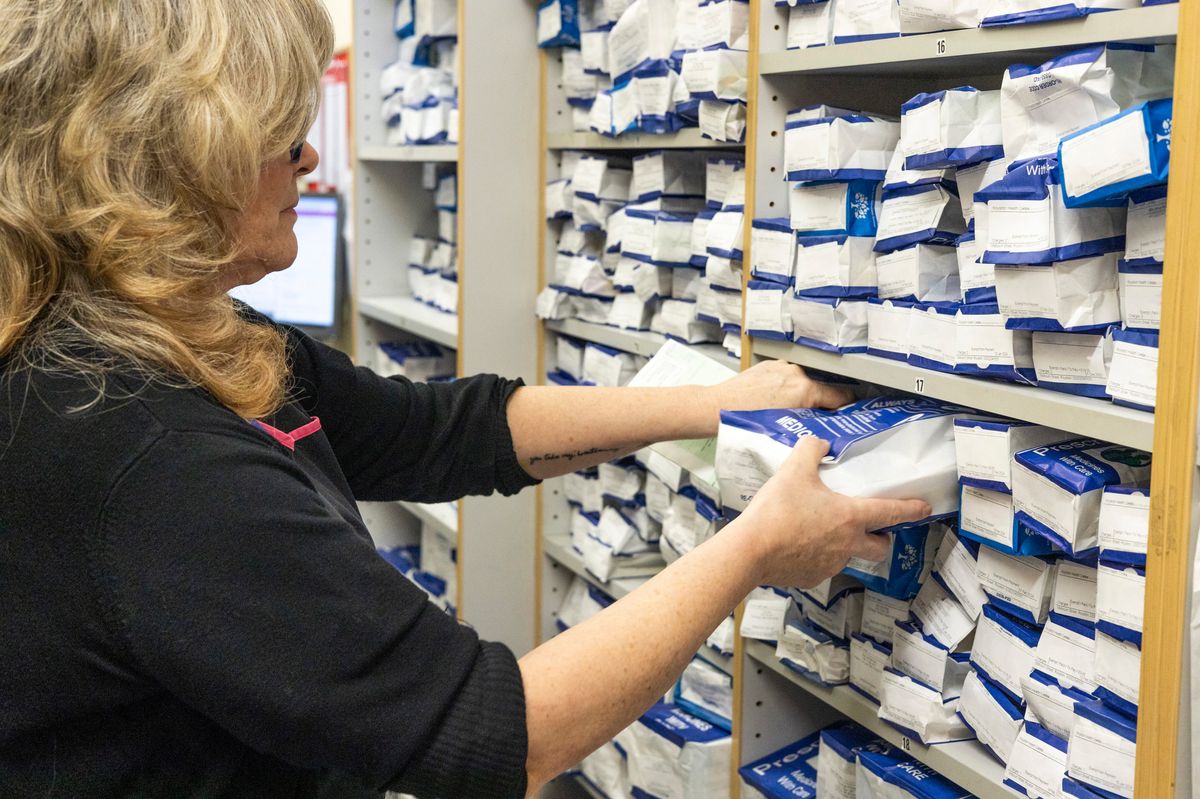
Shortages of essential medications continue to pose significant challenges for patients and pharmacists in the United Kingdom. Dr. Leyla Hannbeck, chief executive of the Independent Pharmacies Association, has issued a stark warning that the situation is worsening, with more drugs expected to be added to the list of those in short supply.
Pharmacists are increasingly facing difficulties obtaining common medications, which are experiencing sudden price increases, leaving many unable to afford them. Dr. Hannbeck explained that when stock levels fall, prices rise sharply, and pharmacists often do not receive adequate reimbursement, creating a financially challenging environment for many. She stated, “It is a very, very difficult situation, and unfortunately, we are not seeing any attempt by the Department of Health to look at the fundamental issue here – that the whole system needs reviewing.”
Impact on Common Medications
Over the past few months, a range of everyday medications, including aspirin and blood pressure treatments like ramipril and propranolol, have been significantly affected. Additionally, drugs used to manage conditions such as epilepsy and depression are also in short supply.
Dr. Hannbeck noted that, in some instances, pharmacists are required to ration supplies, prioritizing patients with the most urgent needs. Although export bans have been implemented to protect UK stocks, she emphasized that these measures are only temporary fixes. “At the end of the day, that doesn’t solve the problem. This can help a little bit, but it’s patching up,” she remarked, reiterating the necessity for a comprehensive review of the supply chain.
The increase in medicine shortages has transformed what was once an occasional issue into a daily struggle for healthcare providers. “It’s now daily that we’re struggling to get medicines in, and it’s affecting a lot of common medicines,” Dr. Hannbeck stated, highlighting the widespread impact on patients.
Encouraging Public Engagement
In light of these ongoing challenges, Dr. Hannbeck has implored patients to refrain from panic buying or hoarding medications, as such behavior can further exacerbate supply issues. Instead, she called on the public to raise awareness by contacting their local Members of Parliament. “Community pharmacists will always do everything they can to not leave you without your medicine, but we continue asking patients to please raise this with your local member of parliament,” she said.
She added, “Whilst you may get your medicines because we’ve gone over and above to ensure that you get it, this system is not sustainable.” Dr. Hannbeck urged individuals to act before the situation deteriorates further, emphasizing that patients’ voices are crucial in advocating for change.
Additionally, she called for patience from those visiting pharmacies, as some patients have displayed frustration and hostility due to the ongoing shortages. “Some patients get abusive in the pharmacies, they start throwing things around and shout abuse. It’s not our fault,” she noted, underscoring the stress experienced by pharmacy staff.
In response to these concerns, a spokesperson for the UK Department of Health and Social Care stated, “The UK’s licensed medicines are in good supply and to make sure this remains the case, we are investing more in the domestic medicine manufacturing industry.” They acknowledged the supply issues affecting some blood pressure medications and assured that efforts are underway to resolve these disruptions.
As the situation evolves, the call for a systematic review of the healthcare supply chain becomes increasingly urgent. The necessity for a sustainable solution is clear, with the potential for worsening conditions if proactive measures are not implemented.