The incidence of whooping cough, a highly contagious bacterial infection, is rising sharply in the United States. As of November 2025, the nation has reported 20,939 cases, a slight decrease from 21,391 cases during the same period in 2024 but significantly higher than the 2,993 cases recorded by this time in 2023. In response to the surge, Texas has issued a health alert, and rising rates are being observed in other states as well.
Whooping cough, medically known as pertussis, is caused by the bacterium Bordetella pertussis. This disease is particularly dangerous for infants and young children, leading to severe respiratory illness characterized by intense coughing fits. The distinctive “whoop” sound made during coughing spells is a classic symptom. Severe complications can include pneumonia, seizures, and, in some cases, death. The World Health Organization estimates that pertussis results in approximately 24.1 million cases and 160,700 deaths annually among children under five worldwide.
Factors Contributing to the Resurgence
Despite the availability of a safe and effective vaccine, vaccination rates for whooping cough have declined in recent years, largely due to increasing anti-vaccine sentiment and cuts to immunization services. Public health experts have expressed concern that the vaccination rates among children have fallen from 95% in the 2019-20 school year to just 92% in the 2023-24 school year. This decline is notable given the recommendations that children receive five doses of the pertussis vaccine, with the first three doses administered at 2, 4, and 6 months of age, and two additional doses at 15 months and 4 years.
The decline in vaccination rates coincides with a broader resurgence of pertussis cases. Between 2020 and 2022, during the COVID-19 pandemic, pertussis cases were lower than usual, likely due to social distancing and lockdown measures that limited disease spread. However, since then, cases have surged beyond pre-pandemic levels. In 2024, local and state public health agencies reported 35,435 pertussis cases to the Centers for Disease Control and Prevention (CDC), marking a rate five times higher than the 7,063 cases reported in 2023.
Several factors contribute to this increase. Pertussis naturally occurs in cyclic epidemics, typically peaking every two to five years. Experts suggest that the U.S. may be entering one of these peaks. However, the current surge surpasses typical expectations for these cycles. Additionally, researchers have noted a shift in the type of vaccine administered. The transition from a whole-cell vaccine, which provides longer-lasting immunity, to a partial-cell vaccine in the 1990s has raised concerns about shorter immunity duration. Immunity following whole-cell vaccination is believed to last 10-12 years, while protection from the newer vaccine may wane within three to five years.
Protecting Vulnerable Populations
Infants under six weeks remain the most vulnerable, as they are too young to receive the vaccine. To protect newborns, public health authorities recommend that pregnant women receive the pertussis vaccine between the 27th and 36th weeks of pregnancy. This vaccination allows mothers to pass antibodies to their babies, offering some level of protection at birth.
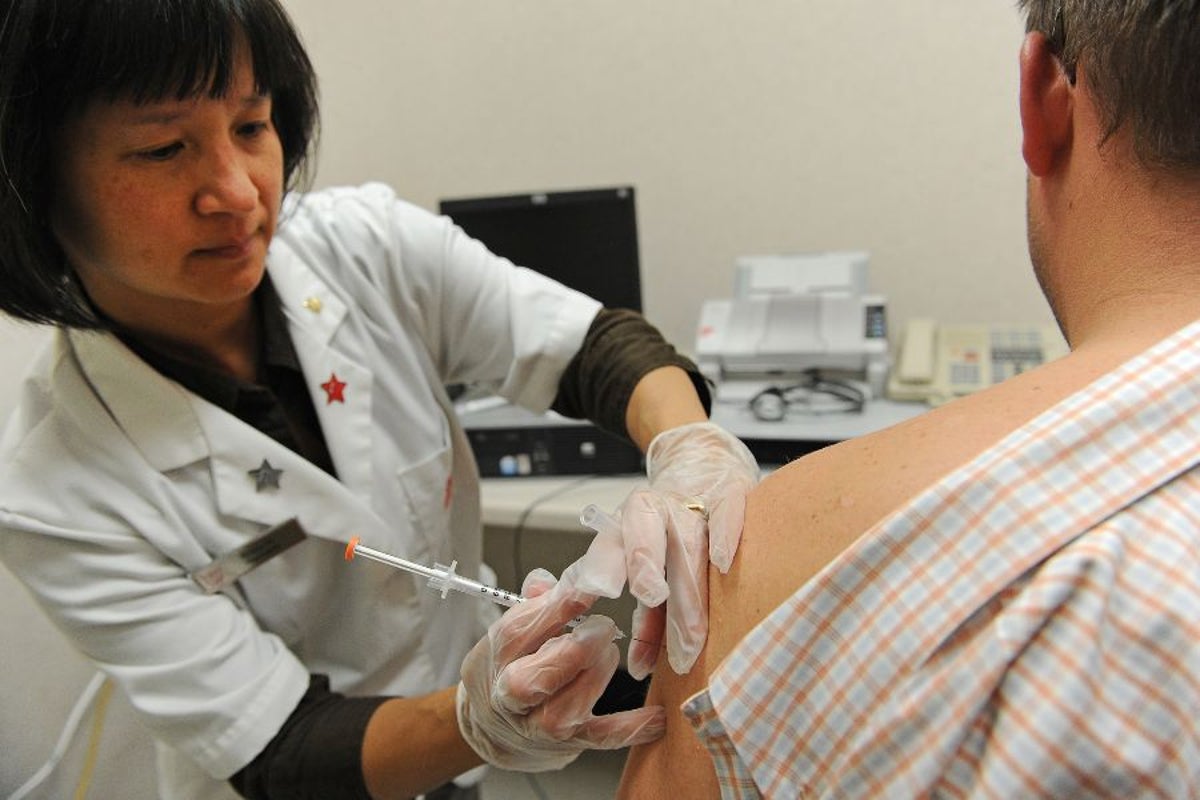
To maintain immunity throughout life, booster doses are advised for adolescents at ages 11 to 12 and for all adults. The CDC specifically urges adults who interact with infants, such as parents and caregivers, to receive booster shots to prevent transmission. Vaccination safety has been extensively studied, confirming that the pertussis vaccine is safe for use. While some vaccinated infants may experience mild reactions, serious side effects are rare.
The rise in whooping cough underscores the importance of vaccination in protecting both individual and public health. Families are encouraged to consult healthcare providers regarding up-to-date vaccinations for themselves and their children. As the incidence of this preventable disease continues to climb, proactive measures are essential in safeguarding vulnerable populations.