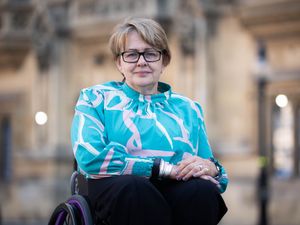
Paralympian and crossbench peer Baroness Tanni Grey-Thompson has openly discussed her struggles with disordered eating while participating in a debate on the Terminally Ill Adults (End of Life) Bill in the House of Lords. Her comments highlighted the complexities surrounding eating disorders, especially in the context of new legislation aimed at assisted dying.
During the debate, Lady Grey-Thompson revealed that she “carefully managed and adjusted” her diet to maintain a race weight of 45 kilograms while competing as a professional athlete. She explained that although she did not have a formally diagnosed eating disorder, she exhibited “disorderly eating behaviour.” This admission came as peers considered amendments to the Bill to ensure that individuals with eating disorders, particularly anorexia, are not eligible for assisted death.
The proposed amendments aim to safeguard vulnerable individuals, specifically those who stop eating or drinking voluntarily. Lord Falconer of Thoroton, who is leading the Bill in the House of Lords, stated that the concerns raised regarding anorexia would be addressed, ensuring that those with this condition cannot qualify for assisted dying. He elaborated that individuals whose health deteriorates due to not eating or drinking will also be exempt from eligibility for assisted death.
On November 3, 2023, the House passed Lord Falconer’s amendment, which is part of ongoing efforts to refine the legislation. Despite this progress, Lady Grey-Thompson expressed her concerns to the Press Association, indicating a “bulimia loophole” in the current draft that fails to encompass all eating disorders.
Actress Sophie Turner, who has previously spoken about her own experiences with eating disorders, has warned of the potential risks the Bill poses to individuals suffering from such conditions. In November, she was among several signatories of a letter sent to peers, urging them to consider the implications of the legislation on those with eating disorders.
Lady Grey-Thompson detailed her personal journey with disordered eating, recalling the pressure she faced as an athlete. She noted that her weight was closely monitored through skinfold measurements, which influenced funding and performance evaluations. “As an athlete, you have a number of measurements,” she explained, emphasizing the importance of maintaining a low body fat percentage.
To meet these demands, she recounted how she had to keep her weight consistent, which was challenging and sometimes led to unhealthy practices. “I vomited regularly during my training,” she stated, recalling a direct question from a dentist that suggested she might be bulimic. “If I was, I don’t think that would have been the way to address it,” she added, highlighting the need for better understanding and support for those affected by eating disorders.
In the ongoing discussions, Baroness Berger of the Labour Party also raised concerns about the Bill’s focus on anorexia, suggesting that it overlooks other eating disorders such as bulimia. She pointed out that bulimia is more prevalent and poses significant health risks, including sudden cardiac death and severe electrolyte disturbances.
The amendment concerning anorexia received support, with Baroness Parminter from the Liberal Democrats describing it as a necessary safeguard for vulnerable individuals, particularly young women. She urged her colleagues to support the proposal, recognizing the severe impact of anorexia on affected individuals.
As the House of Lords continues to deliberate on the Bill, the discussions surrounding eating disorders and assisted dying highlight the need for comprehensive legal frameworks that consider the complexities of mental health issues. Lady Grey-Thompson’s contributions, alongside those of her peers, emphasize the importance of protecting vulnerable populations while navigating the intricacies of health and legal decisions. The final version of the Bill will require agreement from both Houses before it can become law.