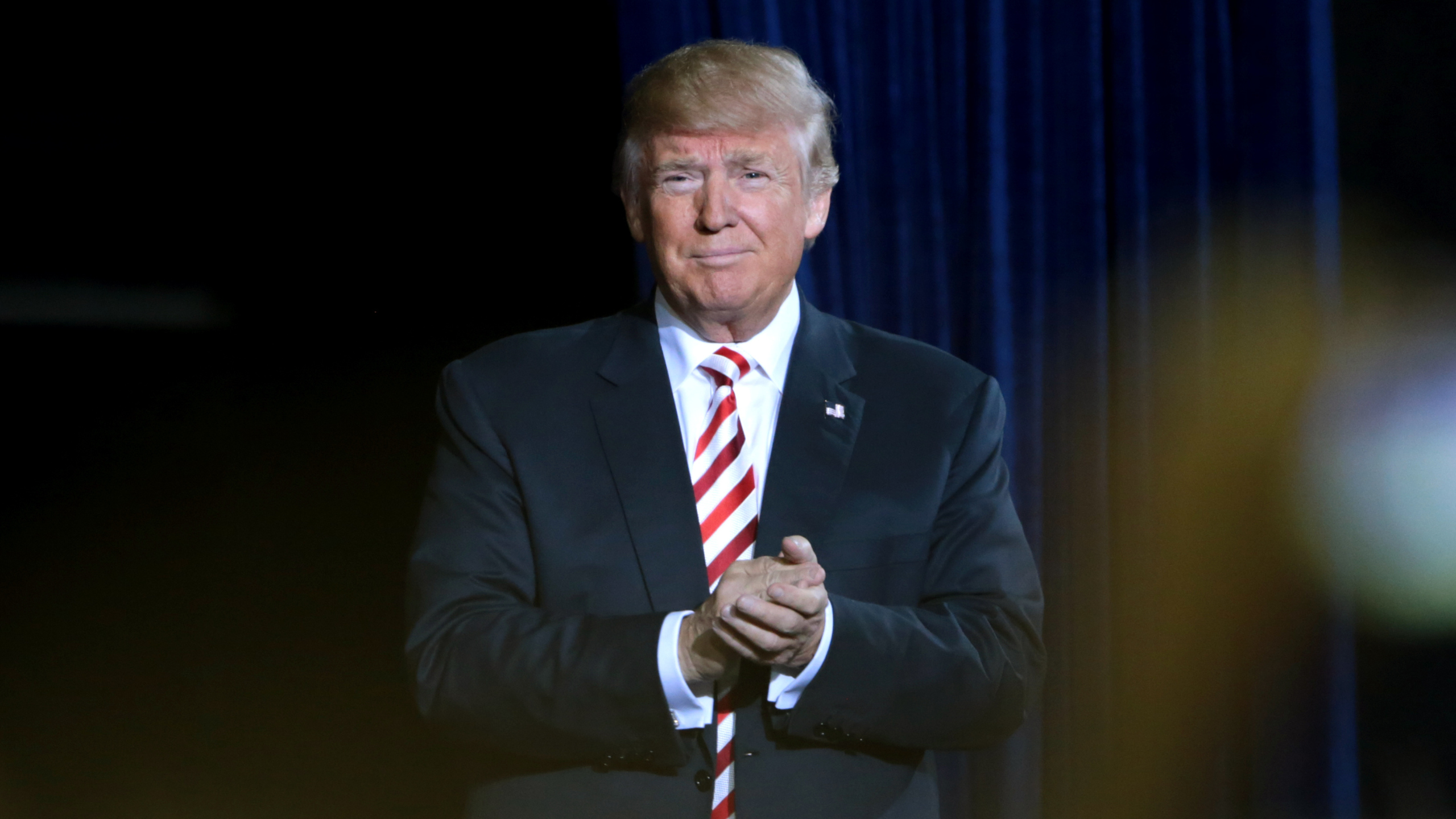
President Donald Trump has offered an explanation for the visible bruises on his hands, attributing them to a long-term aspirin regimen rather than any underlying health issues. In an extensive interview with The Wall Street Journal published on January 1, 2026, Trump dismissed speculation surrounding his health, which has intensified as he approaches his 80th birthday and navigates the challenges of a second presidential term.
During the interview, Trump revealed that he takes a daily dose of 325 milligrams of aspirin, significantly higher than the commonly recommended low dose of 81 milligrams for cardiovascular prevention. He has maintained this dosage for over 25 years, believing it to be beneficial for blood thinning. “I want nice, thin blood pouring through my heart,” he stated, highlighting a personal belief in the benefits of his routine. Despite medical advice to reduce his dosage, Trump remains resolute, describing himself as “a little superstitious” about changing a regimen he trusts.
The visible bruising on Trump’s hands has sparked ongoing debate about transparency regarding presidential health. These marks, accompanied by past reports of swollen legs, have raised concerns about his fitness for office. Medical experts note that while low-dose aspirin can reduce the risk of heart issues, higher doses can lead to increased bleeding and bruising, especially in older adults. This aligns with general clinical understanding, even as Trump attempts to frame his health narrative in a positive light.
In the interview, Trump recounted an instance where he acquired a bruise from a high-five with his attorney general nominee, illustrating how easily his skin can be marked at his age. He acknowledged using makeup or bandages to cover up bruises when necessary, indicating awareness of public perception regarding his health.
The president also clarified details about a prior medical procedure he had at Walter Reed National Military Medical Center, which he initially described as an MRI. He later confirmed it was a CT scan, part of a preventative cardiovascular assessment. Trump expressed regret over the attention this scan received, suggesting it fueled criticism despite his assertion that the findings were “perfectly normal,” as confirmed by Sean Barbabella, his physician.
Trump continues to declare his health as “perfect,” asserting that he maintains a rigorous work schedule and has “very good genetics.” He has consistently denied allegations of dozing off in public, attributing any appearance of fatigue to the natural act of resting his eyes.
The public’s focus on Trump’s health has intensified, especially following new images of bruising observed on his left hand in late December 2025. Critics argue this emphasizes the need for greater disclosure regarding a president’s health status. Political opponents have called for stricter reporting requirements, asserting that visible symptoms could mask more serious conditions without full transparency.
Despite the scrutiny, Trump’s supporters have praised his candidness, framing the discussion of his bruises as trivial compared to his demanding schedule. Analysts note that Trump’s combative style in addressing criticism—combining personal anecdotes with deflection—resonates with his base and keeps the dialogue around his health at the forefront of political discourse.
As Trump navigates the complexities of his health narrative, the ongoing discussion about bruises, aspirin use, and the need for health transparency will likely remain a significant aspect of political conversation throughout 2026.