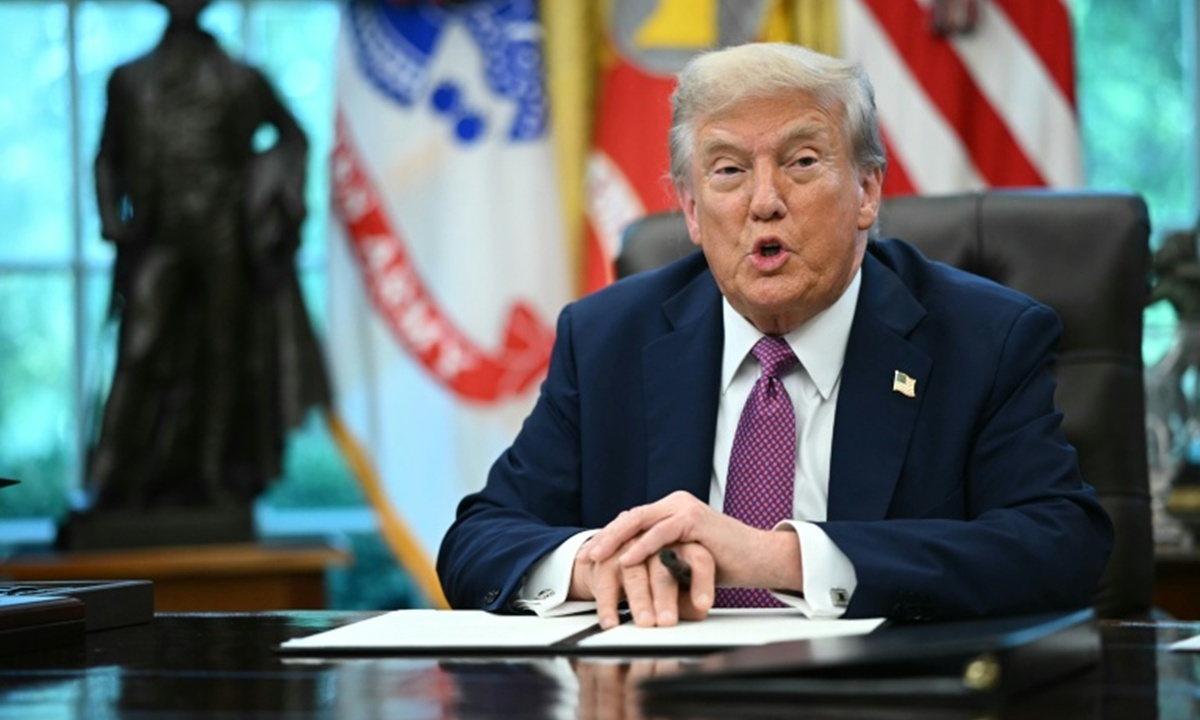
Former President Donald Trump has publicly acknowledged that he is consuming more aspirin than his doctors recommend, raising concerns about his health management. In an interview with The Wall Street Journal, Trump admitted to disregarding medical guidance regarding his medication regimen. This revelation comes as Trump, now in his late seventies, continues to lead the nation during his second term.
Trump’s comments included a candid acceptance of his decision to take excessive amounts of aspirin, a medication typically used to reduce the risk of heart attacks and strokes. He stated, “In retrospect, it’s too bad I took it because it gave them a little ammunition,” in reference to the cardiovascular and abdominal imaging scans he underwent in October 2023. This casual dismissal of medical advice raises important questions not only about his personal health but also about his approach to governance.
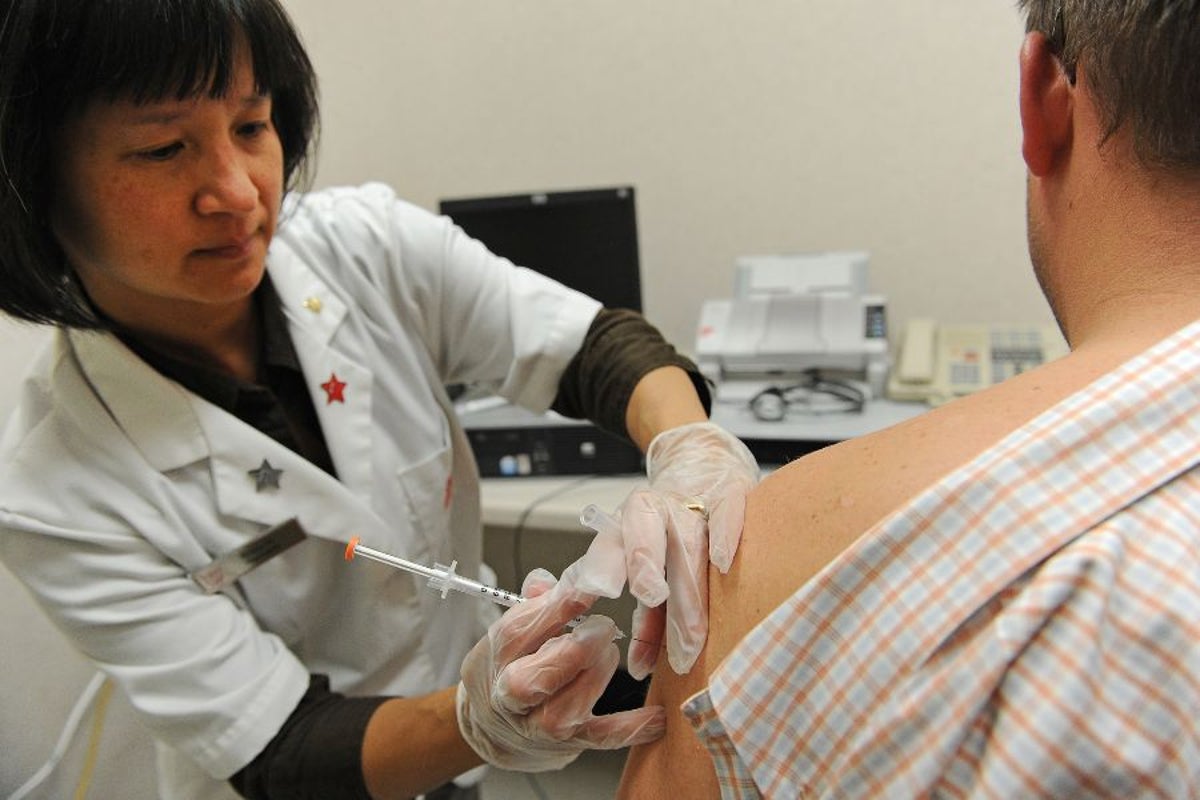
The American Heart Association recommends low-dose aspirin, generally 81 milligrams daily, for individuals with established cardiovascular disease or significant risk factors. For healthy older adults, the benefits of aspirin use may be minimal and can be outweighed by potential risks. Excessive aspirin consumption can lead to severe health issues, including gastrointestinal bleeding, which can erode the stomach lining and lead to life-threatening hemorrhages. Additionally, higher doses of aspirin are linked to an increased risk of hemorrhagic stroke, where the medication intended to prevent clotting may instead cause uncontrolled bleeding in the brain.
Trump’s use of aspirin is not the only instance of his apparent disregard for medical advice. He briefly attempted to wear compression socks to address swollen ankles—a common treatment for circulatory issues—but abandoned them due to aesthetic preferences. Such decisions can be alarming, particularly for an older adult, as swollen ankles may indicate serious underlying health problems, such as heart failure or kidney issues.
This raises broader implications about a leader who publicly dismisses expert medical guidance. If Trump is willing to overlook his doctors’ recommendations regarding aspirin, it begs the question of what other expert advice he might disregard. This pattern of behavior could extend to critical areas such as national security, economic policy, and military decisions.
White House aides have consistently emphasized Trump’s vigorous work ethic, highlighting his energy and stamina. Yet, the details of his medical choices suggest a different narrative—one of denial rather than strength. The core issue is not whether Trump is currently medically fit, as he has been certified by his doctors, but whether a president who disregards medical recommendations can effectively navigate complex policy decisions.
Trump’s flippant remarks about his aspirin use and his framing of medical advice as optional indicate a troubling disconnect between his self-image and the realities of health management. For many Americans, the implications of this disconnect are concerning, especially when considering the potential impact on national governance.
In summary, Trump’s admission to exceeding recommended aspirin usage underscores a significant public health concern. As he continues to lead the nation, the intersection of his health decisions and presidential responsibilities remains a critical area of scrutiny.