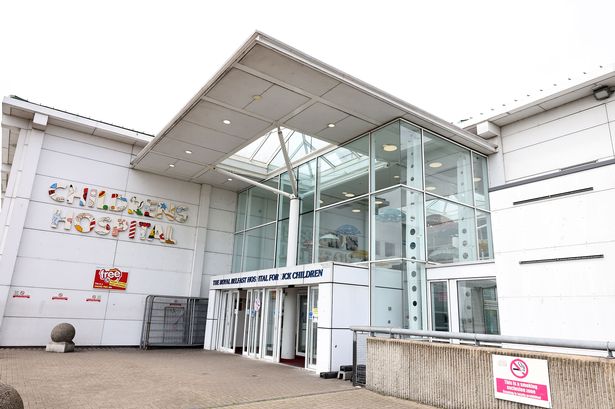
A campaign advocating for a dedicated sensory room at the Royal Belfast Hospital for Sick Children (RBHSC) gained significant traction, receiving unanimous cross-party support during a recent adjournment debate in the Northern Ireland Assembly. The initiative, which has amassed over 1,000 signatures through a petition, emphasizes the urgent need for a sensory room near the hospital’s Accident and Emergency (A&E) department, highlighting its importance for the wellbeing of young patients and their families.
Erin McAllister, a mother from Craigavon and one of the founders of the Northern Ireland Community for Parents/Carers of Children with Complex Needs, has been instrumental in leading this campaign. In an interview, she shared her personal experiences, stating, “I am a parent to Aubree, 2-years-old, who has significant complex needs. I have been chronically ill my whole life, spending many years visiting the RBHSC A&E for assessment and treatment myself.”
The RBHSC is the only facility in Northern Ireland that specializes in pediatric care, serving not only local children but also those from across the region with various medical needs. According to data from the Belfast Health and Social Care Trust, approximately 34,000 children and young people attend the A&E department annually.
Importance of Sensory Rooms
Sensory rooms are designed to provide controlled sensory experiences aimed at helping individuals manage their emotions and sensory processing difficulties. Erin noted that many children visiting the A&E have sensory processing challenges, which can range from diagnoses like autism spectrum disorder (ASD) and ADHD to trauma-related issues stemming from early neonatal experiences or adverse social environments.
“The current state of A&E departments can be overwhelming for children. They often resemble crowded environments where distress is common, leading to what we call ‘sensory meltdowns,’” Erin explained. Such meltdowns can exacerbate health problems, leading to increased temperatures, vomiting, and even self-harming behaviors, complicating care for medical staff and parents alike.
Erin emphasized that a sensory room would provide a calmer environment, enabling parents and caregivers to communicate their child’s needs more effectively, which would aid in providing smoother transitions from entry to treatment.
Growing Support and Future Prospects
The campaign has garnered support from various political parties, reflecting a collective recognition of the challenges faced by families with children who have complex needs. “It brought attention to key issues that can often get overlooked and elevated them to the highest level in Northern Ireland,” Erin remarked.
She expressed optimism that Health Minister Robin Swann has taken their concerns seriously and will act swiftly to ensure that a sensory room or a similar amenity will be established at or near the RBHSC A&E.
While some hospitals have already implemented sensory-friendly environments, Erin highlighted the need for a permanent solution. The existing mobile sensory units, which are available for children who are hospitalized, are not typically accessible in the waiting areas, where children often experience heightened stress.
As the campaign continues to gain momentum, Erin remains hopeful that the establishment of a sensory room will ultimately improve the hospital experience for children with complex needs. “Our children deserve to feel safe. They did not choose to experience this world differently, and it’s crucial to recognize that their needs are different but not less,” she concluded.
For ongoing updates, the petition supporting this initiative can be accessed online.