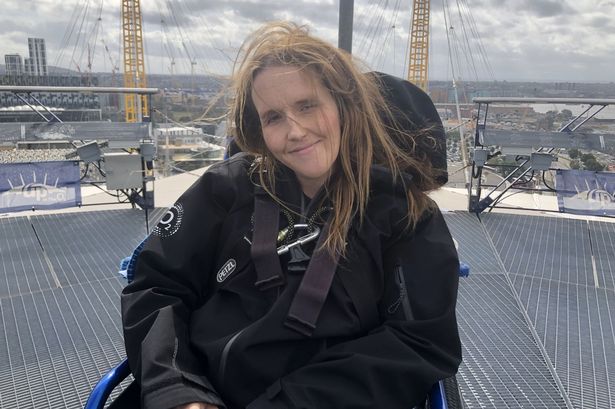
A personal journey of self-discovery has led one individual to embrace a queer identity and redefine their understanding of love and intimacy. In reflecting on their experiences, Dee Whitnell shares how discovering the label ‘nonbinary’ and engaging in a relationship with a trans partner transformed their perspective on sexuality and relationships.
Understanding Identity and Relationships
For Whitnell, the journey towards understanding their gender identity was gradual. It wasn’t until their early twenties that they discovered the term ‘nonbinary,’ which resonated deeply. Growing up, Whitnell felt an internal conflict, trying to conform to societal expectations of gender. As a child, they enjoyed both traditionally masculine and feminine activities, from wrestling to dance class, but as adolescence approached, pressure to conform to a more feminine appearance intensified.
“I wore makeup, dresses, and push-up bras, attempting to fit into the mold of what I thought I was supposed to be,” Whitnell explains. “It wasn’t until I came out as nonbinary that everything started to make sense.” This revelation marked a significant turning point in their life, allowing them to embrace a fluid understanding of gender.
Despite feeling more at home in their identity, Whitnell’s experiences with cisgender men often left them feeling marginalized. They recount a particularly enlightening moment when a date used their correct pronouns, which evoked feelings of happiness. “That simple act felt monumental,” they said. However, a friend’s comment reminded them that this should be the bare minimum of respect.
A New Chapter with Trans Love
The turning point in Whitnell’s journey came when they met their boyfriend on a dating app in 2024. This was not only their first queer date but also their first experience with a trans partner. Anxiety accompanied their excitement, as the fear of repeating past experiences with misgendering loomed large. Yet, the date transformed into a positive experience characterized by open communication about identities, boundaries, and desires.
Whitnell described their first intimate encounter with their boyfriend as “dreamy” and “whimsical.” The experience was not just physically enjoyable but also emotionally liberating. “Suddenly, I realized I didn’t want to be intimate with a cis man again,” they admitted. This shift in perspective highlighted a significant breakthrough in their acceptance of queer identity.
The relationship allowed Whitnell to explore intimacy without the fear of misgendering or misunderstanding. “My trans boyfriend made me feel safe to be my full self,” they noted. “I was no longer the teacher, explaining why certain actions were uncomfortable.” This new dynamic fostered a sense of acceptance and understanding between partners, enhancing their emotional connection.
Whitnell now appreciates the profound differences between their past experiences and their current relationship. They have found joy in every intimate moment, whether it’s navigating dysphoria or enjoying non-sexual affection. “Being in a t4t (trans for trans) relationship opened my eyes to the reality of being truly accepted for who I am,” they reflected.
Through their relationship, Whitnell emphasizes that queer, trans individuals deserve love that recognizes and affirms their identities. “Using my correct pronouns is the bare minimum,” they assert, highlighting the importance of genuine acceptance in romantic relationships.
Whitnell’s journey of self-acceptance and discovery illustrates the significance of finding love that aligns with one’s identity. Their experiences serve as a reminder that true intimacy requires understanding, respect, and the celebration of one’s authentic self.