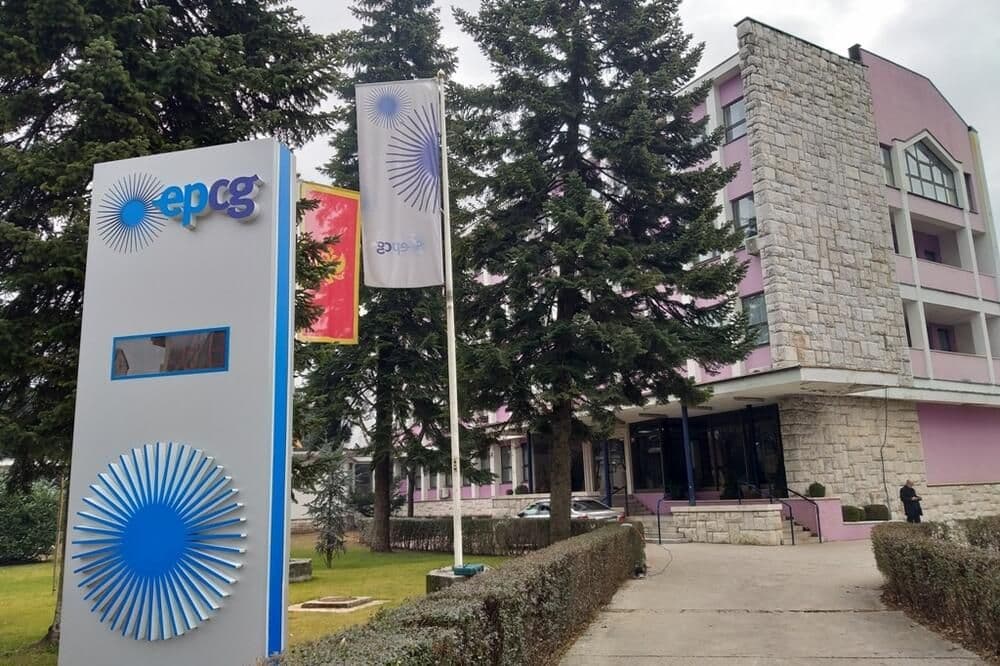
Electricity prices in Montenegro are not expected to rise imminently, according to statements from the country’s largest electricity provider, Elektroprivreda Crne Gore (EPCG). This comes despite upcoming changes from the European Union (EU), which plans to implement the Carbon Border Adjustment Mechanism (CBAM) starting on January 1, 2026. This mechanism will impose additional costs on electricity imported from non-EU countries, particularly for coal-generated power.
EPCG officials indicated that while the EU is set to initiate these regulations, there may be delays in their application. They are awaiting further clarification on the CBAM’s implementation details, including potential exemptions and transitional periods, expected to be discussed at the upcoming Energy Community Ministerial Council meeting later this year.
The CBAM is part of a broader EU strategy aimed at decarbonizing energy sources and establishing a unified carbon pricing mechanism within the European market. Currently, EPCG pays €24 per ton of emitted CO2 for emissions that exceed free allowances. Starting in 2026, the EU plans to phase out these free allowances, potentially increasing costs for every ton of emissions produced.
EPCG officials emphasized that any electricity exported from Montenegro to the EU will be subject to calculations under the CBAM. This means that the sale price of that electricity will be adjusted to account for CO2 emissions per megawatt-hour produced.
Concerns have been raised by environmental organizations such as Eko-tim, which warn that these changes could lead to higher electricity prices for consumers in Montenegro. The organization’s Climate and Energy Program Coordinator, Diana Milev-Čavor, noted that the ability of EPCG to sell electricity at current prices may be compromised, as the EU market will require the inclusion of carbon costs in pricing.
As of now, the price of CO2 on the European Trading System (ETS) market hovers around €80 per ton. The implications of the CBAM could lead to reduced export revenues for Montenegro, with EU buyers seeking lower prices to offset additional costs. Milev-Čavor pointed out that electricity exports account for 35% of Montenegro’s total exports, highlighting the economic significance of this sector.
In response to inquiries regarding potential price hikes as a result of the CBAM, EPCG reiterated that there are currently no announcements indicating an increase. The company retains the authority to alter electricity prices at any point throughout the year, with a requirement to notify the public 15 days prior to any changes. Since January 1, 2023, EPCG has been able to adjust its pricing in line with market trends and operational results, while also considering various factors for customer impact.
The need for a shift towards renewable energy sources has been emphasized by experts, including Ivana Vojinović, Director of the Center for Climate Change at the University of Donja Gorica. She noted that these clean energy sources, such as wind and solar, will not be affected by the new carbon adjustments, presenting a timely opportunity for Montenegro to accelerate its decarbonization efforts.
In the midst of these developments, EPCG is also undergoing management changes. A public competition has been announced for the position of executive director, with three candidates: Zdravko Dražaj, Zoran Šljukić, and Mladen Bojanić. This search follows the dismissal of former director Ivan Bulatović before the end of his four-year term.
The selection process for the new executive director is expected to reflect the need for strategic leadership during this period of regulatory transition and market adaptation. The board of directors has emphasized compliance with legal standards throughout the management changes, aiming for stability and unity within the organization as it navigates the evolving energy landscape.