Indoor laundry drying can often seem straightforward, yet many encounter challenges such as slow drying times and persistent musty smells. With rising energy costs and limited access to outdoor spaces, a comparative study of five popular indoor drying methods was conducted. The methods tested included a tumble dryer, dehumidifier, heated airer, clothes horse, and bathroom extractor fan. Each method was assessed based on drying efficiency, freshness of clothes, costs, and the moisture introduced into the living space.
Understanding the Methods
The study involved real-life conditions, particularly during winter, and included heavy washes alongside hard-to-dry items like hoodies and jeans. The bathroom extractor fan was expected to provide a practical solution by minimizing humidity in confined spaces.
While a powerful extractor fan may help in small homes, the effectiveness of this method is heavily reliant on the fan’s strength. In this case, the bathroom fan struggled to maintain airflow over extended periods. Additionally, the need for bathroom space to hang clothes proved challenging, especially when considering the cooler temperatures that slow evaporation.
Verdict: 2/10 – Despite its low cost, the bathroom extractor fan was the least effective method for drying clothes.
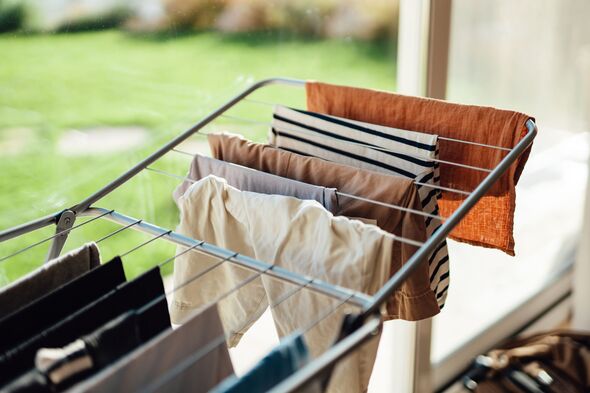
Using a clothes horse is another common approach, often viewed as a budget-friendly option. Typically available for around £10, it requires no electricity and can be placed near a radiator for added warmth. However, without forced airflow or additional heat, drying times can be extended significantly. Thicker materials like waistbands and towels often remain damp for days, leading to unpleasant odors.
Verdict: 3/10 – While affordable, this method resulted in musty smells and inefficiency.
The heated airer, marketed as an economical alternative to tumble dryers, showed some promise. Purchased for £60 at Argos, the Minky Wing 12m Heated Clothes Airer was tested for its drying capabilities. Clothes dried slightly faster than with a standard clothes horse, but the results were inconsistent, with dampness lingering in heavier areas of fabric. Despite the included cover designed to retain heat, the impact was minimal.
Verdict: 4/10 – The heated airer was too costly relative to its performance.
Evaluating the Best Options
The dehumidifier emerged as a strong contender, offering a balance of effectiveness and cost-efficiency. Priced at around £159.99 for a comparable model from John Lewis, this device not only dries clothes but also reduces condensation, mould, and mildew. When placed in a small, closed room, the dehumidifier facilitated quicker drying compared to passive methods. However, clothes still took one to two days to dry completely, particularly thicker fabrics, allowing musty odors to develop.
Verdict: 7/10 – A dehumidifier is a competent solution for reducing moisture, though it does not entirely eliminate musty smells.
The standout performer was the tumble dryer, which effectively eliminated musty odors and dried clothes thoroughly in one day. The Hotpoint Condenser model used in the study efficiently managed large items such as bed sheets and towels. For families with frequent laundry needs, this method proved invaluable, providing quick and reliable drying.
Despite its advantages, the tumble dryer comes with higher operational costs, particularly with energy consumption. Regular maintenance, such as cleaning filters, is essential for safe operation.
Verdict: 9/10 – For those prioritizing freshness and efficiency, the tumble dryer remains unmatched, although cost considerations are important.
In conclusion, while several methods exist for drying clothes indoors, the results of this comparison highlight the importance of choosing the right option based on effectiveness and practicality. The study underscores the challenges of maintaining freshness in laundry during winter months while balancing cost and efficiency.